Goldfields Forest Restoration
The Goldfields Forest Restoration project is combining cutting edge ecological science with community-led action to bring forests back to life.
Over the next three years, this collaborative project will restore 450 hectares of degraded Box-Ironbark forest, using innovative, field-tested techniques designed specifically for these historically impacted systems. The project is a bold step toward rebuilding climate-resilient ecosystems for threatened species, as well as reducing the risk of climate-change induced flash flooding across the region.
With Trust for Nature, City of Greater Bendigo, Buloke Northern Grampians Landcare Network, Waranga Catchment Landcare Collective, Connecting Country, Bush Heritage Australia, La Trobe University and Tailored Restoration Ecology and Conservation (TREC) Land Services the project will use Biolinks Alliance’s Local to Landscape model for capacity building and collaboration. This approach recognises that lasting ecological repair happens when local communities are equipped with the knowledge, tools and confidence to act. By combining science, demonstration, and collaboration, the project is designed not only to restore land, but to catalyse a movement and repair ecosystems over large scales.
Since 2023, our Spring Plains Pilot project site has served as a living demonstration of proven forest restoration techniques designed specifically for this unique ecosystem and working in combination for enhanced effect. Building on the success of this pilot project, we have received generous funding from The Ian Potter Foundation to scale uprestoration of the Central Victorian Goldfields, bringing innovation to landscapes long considered too difficult to repair.

Typical box ironbark forest of the Goldfields region, characterised by closely spaced trees locked in an immature state that has had its hydrophobic soil opened through contour ripping - one of the interventions to be used to increase water infiltration into disurbed by goldmining soils, typical of these forests.
The forests of the Central Victorian Goldfields carry the legacy of mining, grazing and clearing. Many areas are now locked in a degraded state, with dense, slow-growing regrowth and disrupted soils that limit recovery. Climate change is intensifying these pressures.
This project responds with urgency and optimism. By actively repairing ecological processes and reconnecting habitats, it will:
Strengthen biodiversity and create refuges for vulnerable native species
Improve the resilience of forests to drought, heat and extreme weather
Support landholders as stewards of high-value remnant vegetation
Build a productive, connected, functioning landscape capable of adapting to change
Demonstration properties will showcase tailored ecological interventions, working alongside a community engagement program to inspire and empower wider adoption throughout the region. Securing this work under a robust covenant system will ensure permanent protection, meaning the biolink endures for generations to come.
Beyond the current scope of this project, we have aspirations to restore function and biodiversity to all Box-Ironbark forest on covenanted land in the Goldfields bioregion.
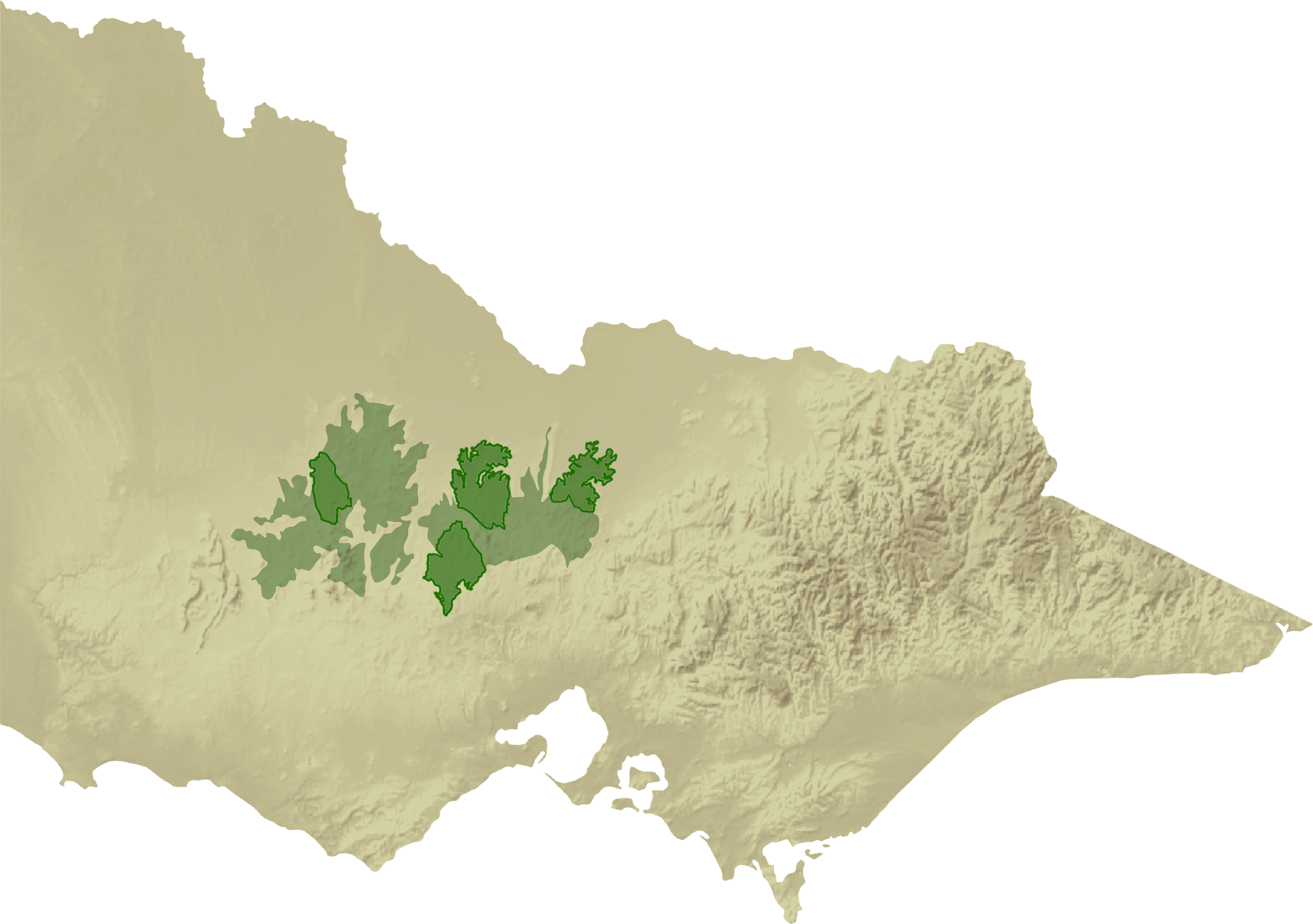
Working across the Central Victorian Goldfields, prioritising four focal areas: Castlemaine, Rushworth, Bendigo & St Arnaud (Buloke)
Cameron O’Mara - Landscape Project Manager
For more information, contact Cameron O’Mara.
(cameron.omara@biolinksalliance.org.au)