Goldfields Forest Restoration
This three year project is a collaborative effort to scale up ecosystem restoration in the degraded forests of Central Victoria’s Goldfields.
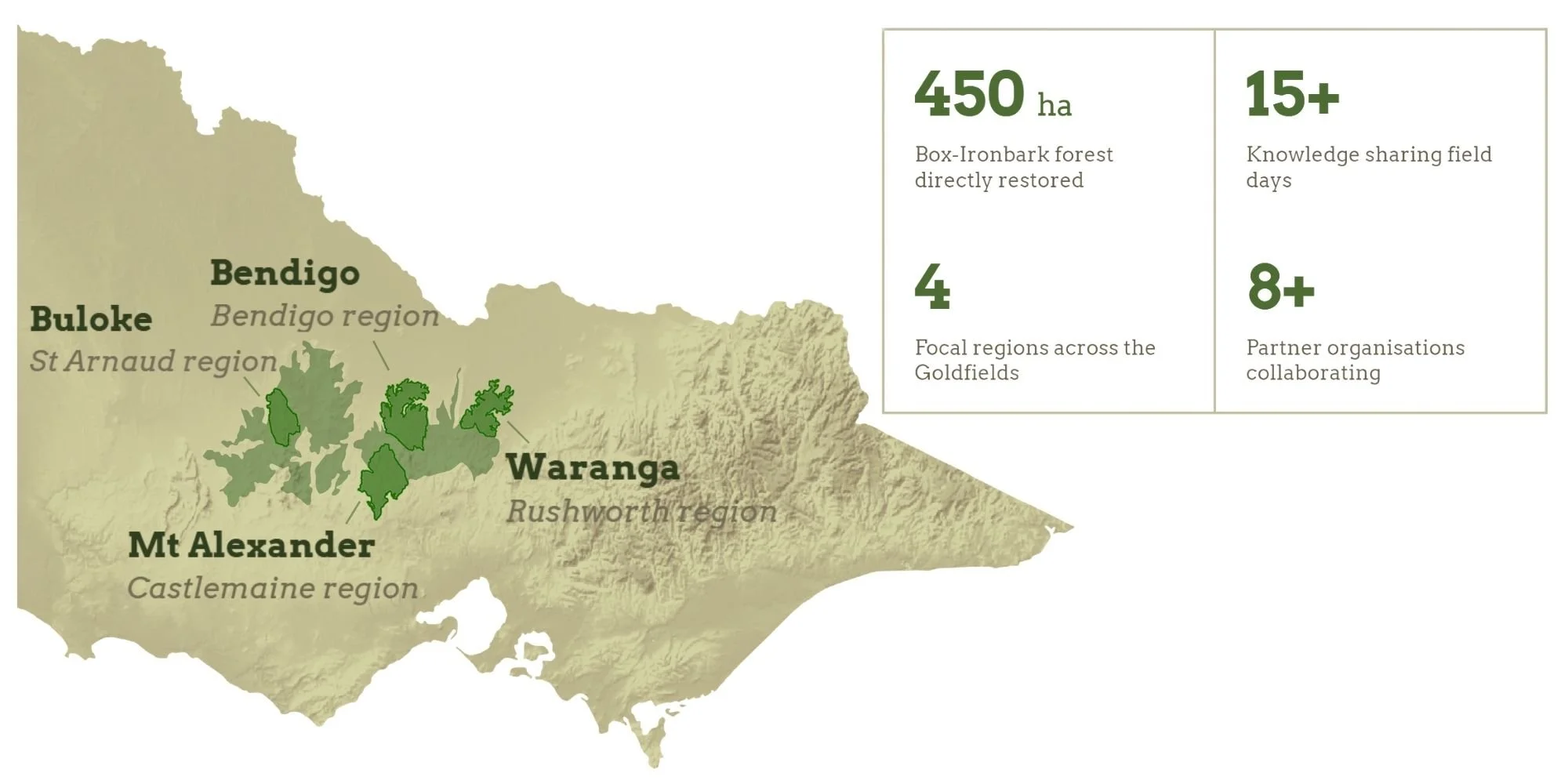
Since 2023, our Spring Plains Pilot project has served as a living demonstration of proven restoration techniques designed specifically for Goldfields forest ecosystems. Building on the success of this pilot project, we have received generous funding from The Ian Potter Foundation to apply these techniques to accelerate regeneration of 450 hectares of degraded forest in the Central Victorian Goldfields, using our Local to Landscape model to amplify impact through community engagement.
This project rolls out a new approach to building climate resilience and restoring biodiversity in Goldfields landscapes at increased scale and speed. Regenerating these forests will provide healthy and productive habitat for many species in peril, like the Painted Honeyeater and the Whipstick Cinnamon Wattle.
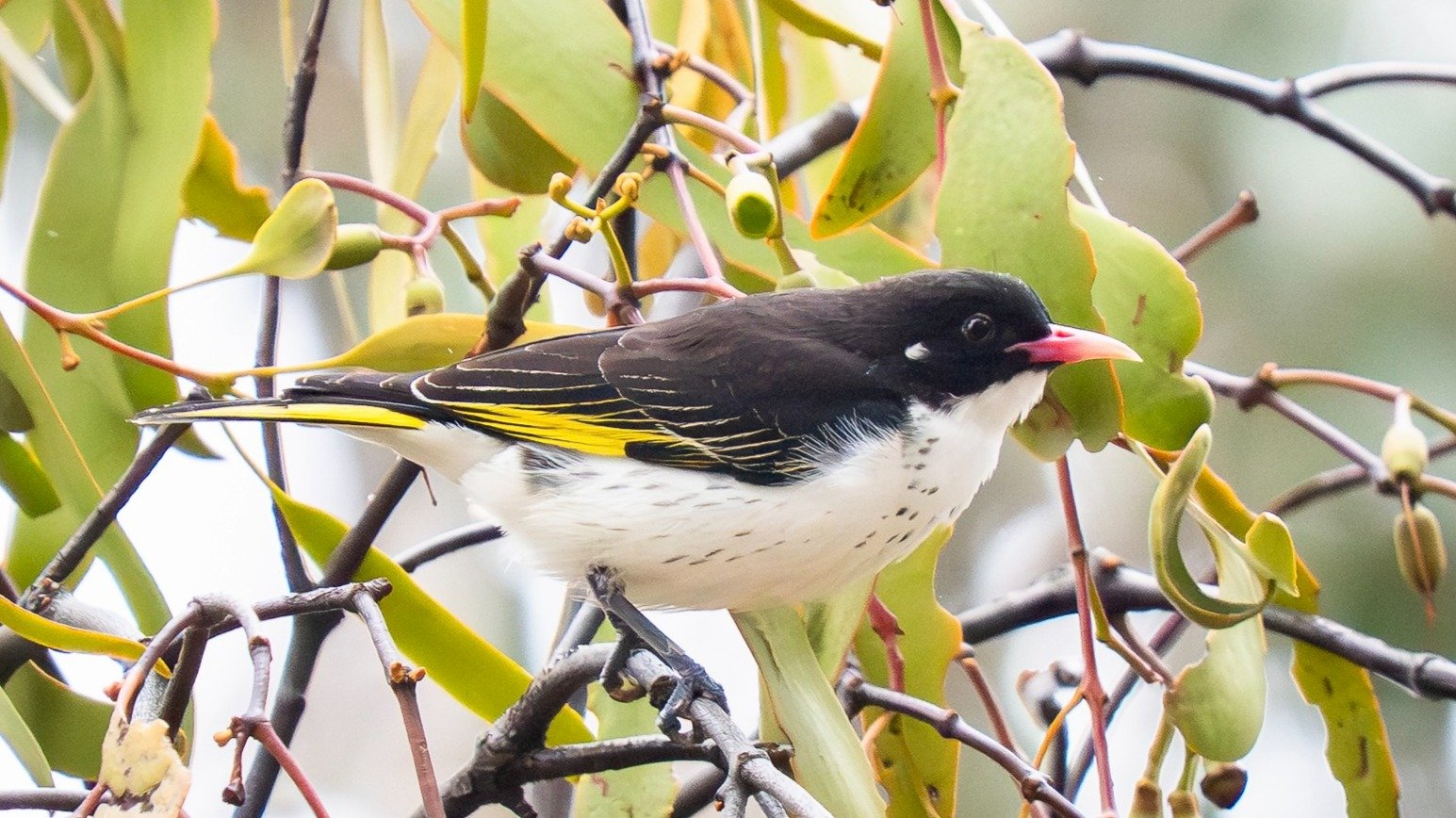
The Painted Honeyeater relies on healthy ‘dry forest’ habitat like the Goldfields Forests
The Goldfields Forest Restoration Project on Dja Dja Wurrung and Taungurung Country is a collaboration with Trust for Nature, City of Greater Bendigo, Buloke Northern Grampians Landcare Network, Waranga Catchment Landcare Collective, Connecting Country, Bush Heritage Australia, La Trobe University and Tailored Restoration Ecology and Conservation Land Services (TREC).
Undoing centuries of environmental damage
The forests of the Central Victorian Goldfields carry the legacy of mining, grazing and clearing — less than 1% of Box-Ironbark forests remain undamaged. Many areas are now locked in a degraded state, with a hotter, drier and more variable climate now intensifying these pressures.
The soils of these forests have been turned upside down by gold mining and can no longer absorb water as they used to. Interventions to help these forests retain water for longer, and make it available to the ecosystem, are critical to improve their biodiversity and resilience.
“What I keep hearing from these landholders is that they’ve watched their properties get worse over time.”
Sharing a new approach to forest recovery
We cannot restore a landscape with our efforts alone; we need to empower communities across the Goldfields to take action and turn a legacy of destruction into one of healing. Lasting ecological repair happens when local communities are equipped with the knowledge, tools and confidence to act.
Central to the success of the Goldfields Restoration is the combination of direct intervention and knowledge-sharing. Private bushland properties in the St Arnaud, Bendigo, Castlemaine and Rushworth regions will act as demonstration properties, showcasing forest recovery techniques at work. These properties will be hubs of learning and inspiration, equipping local people with the skills and knowledge to build a forest repair movement that can continue well into the future.
Rebuilding climate-resilient habitat for threatened species
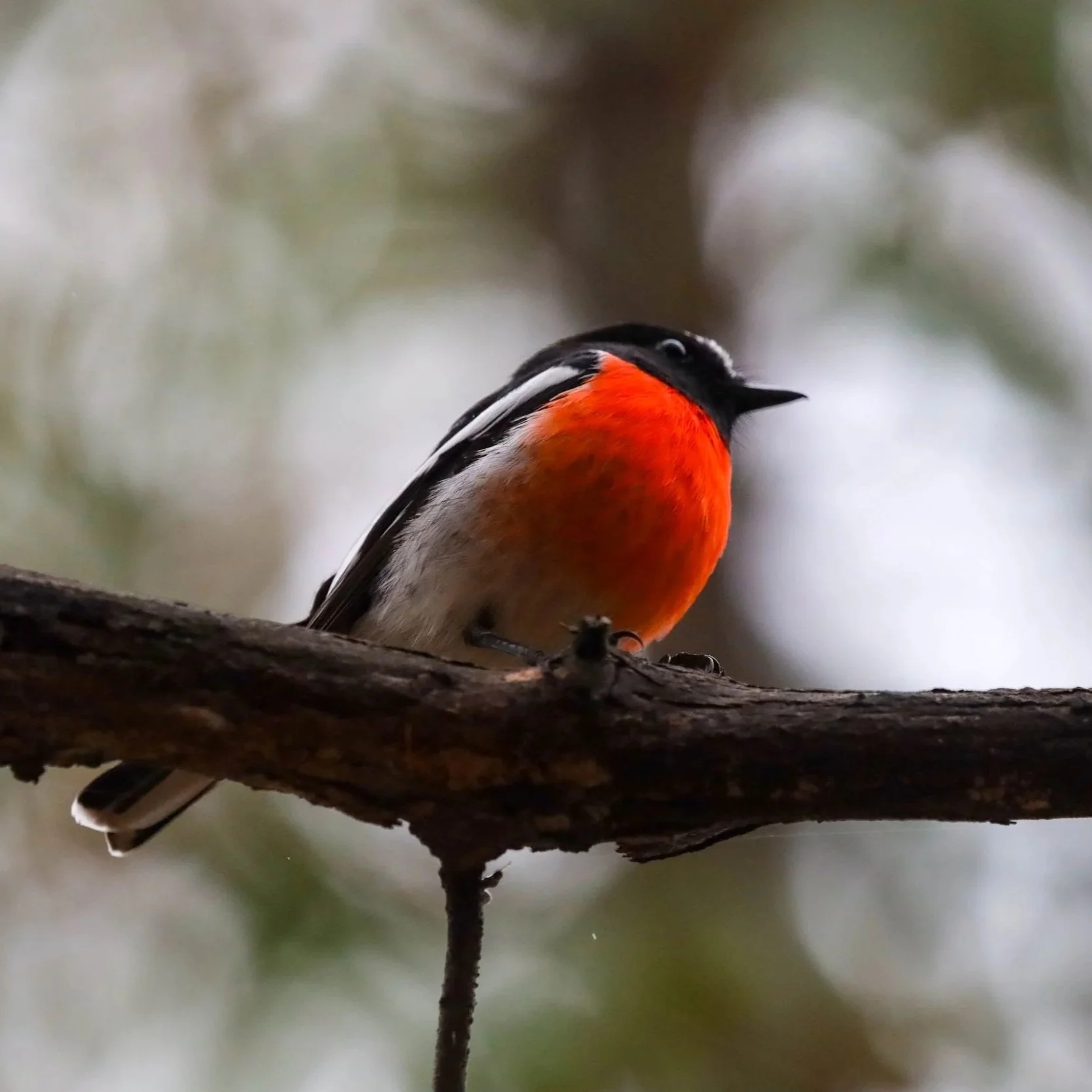

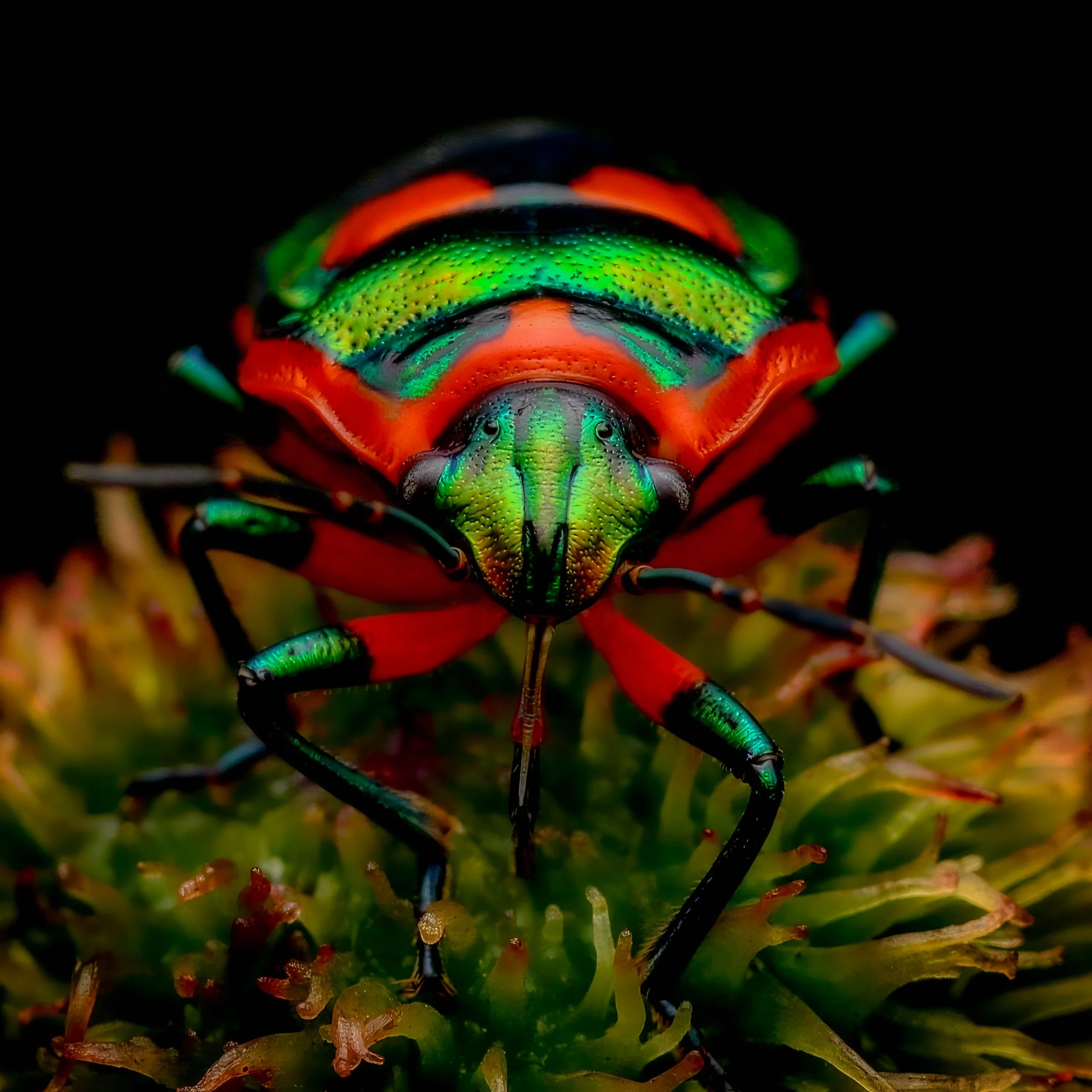



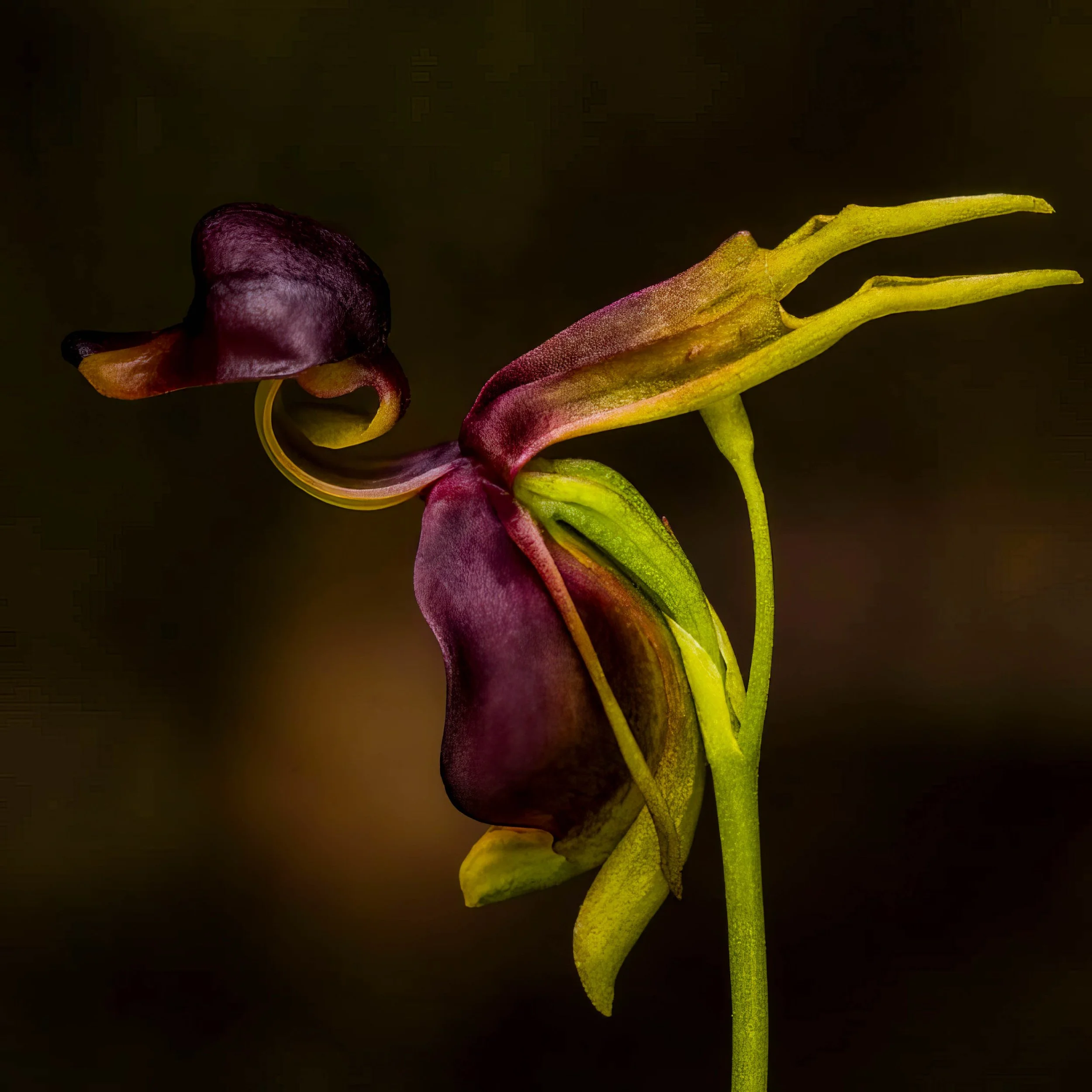

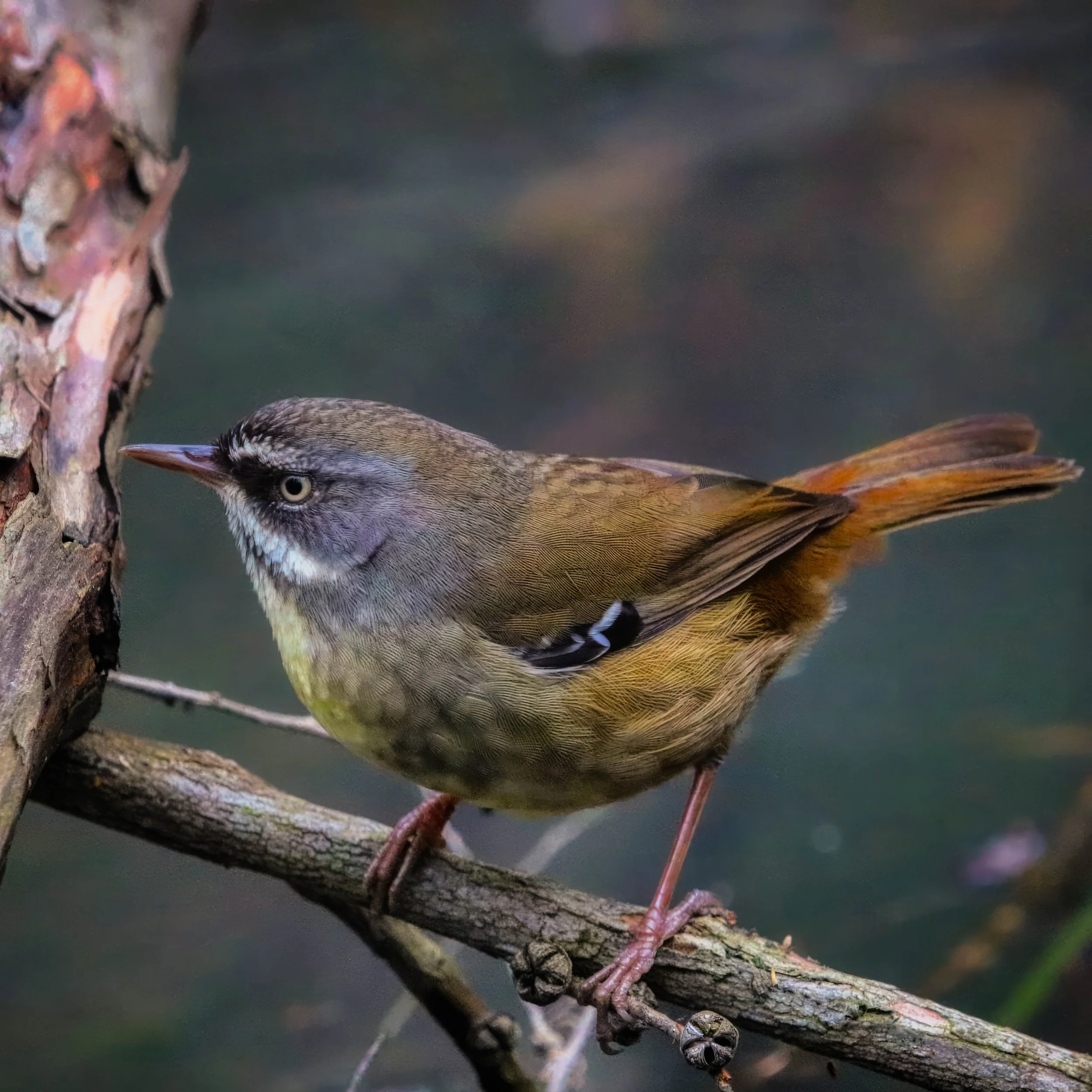

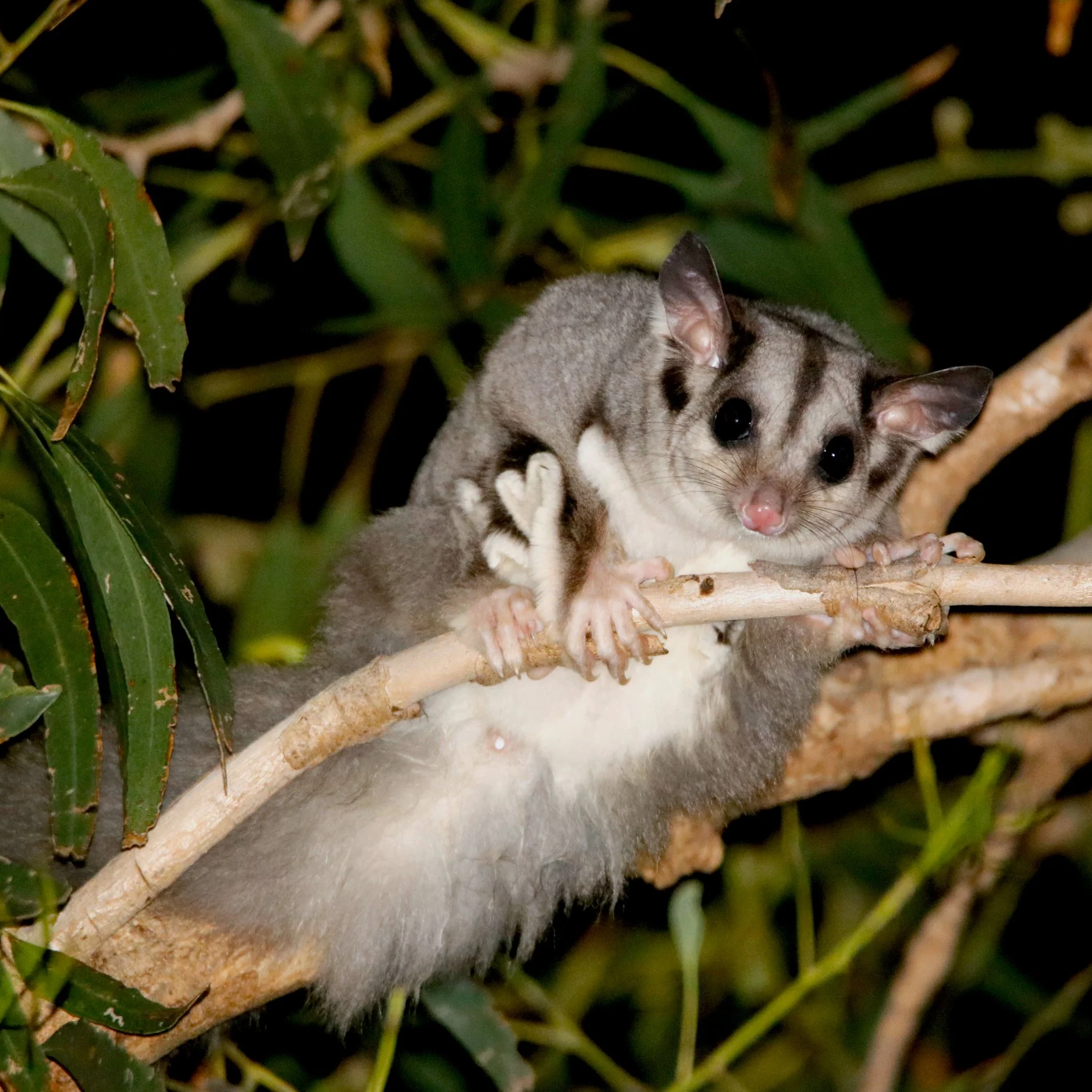

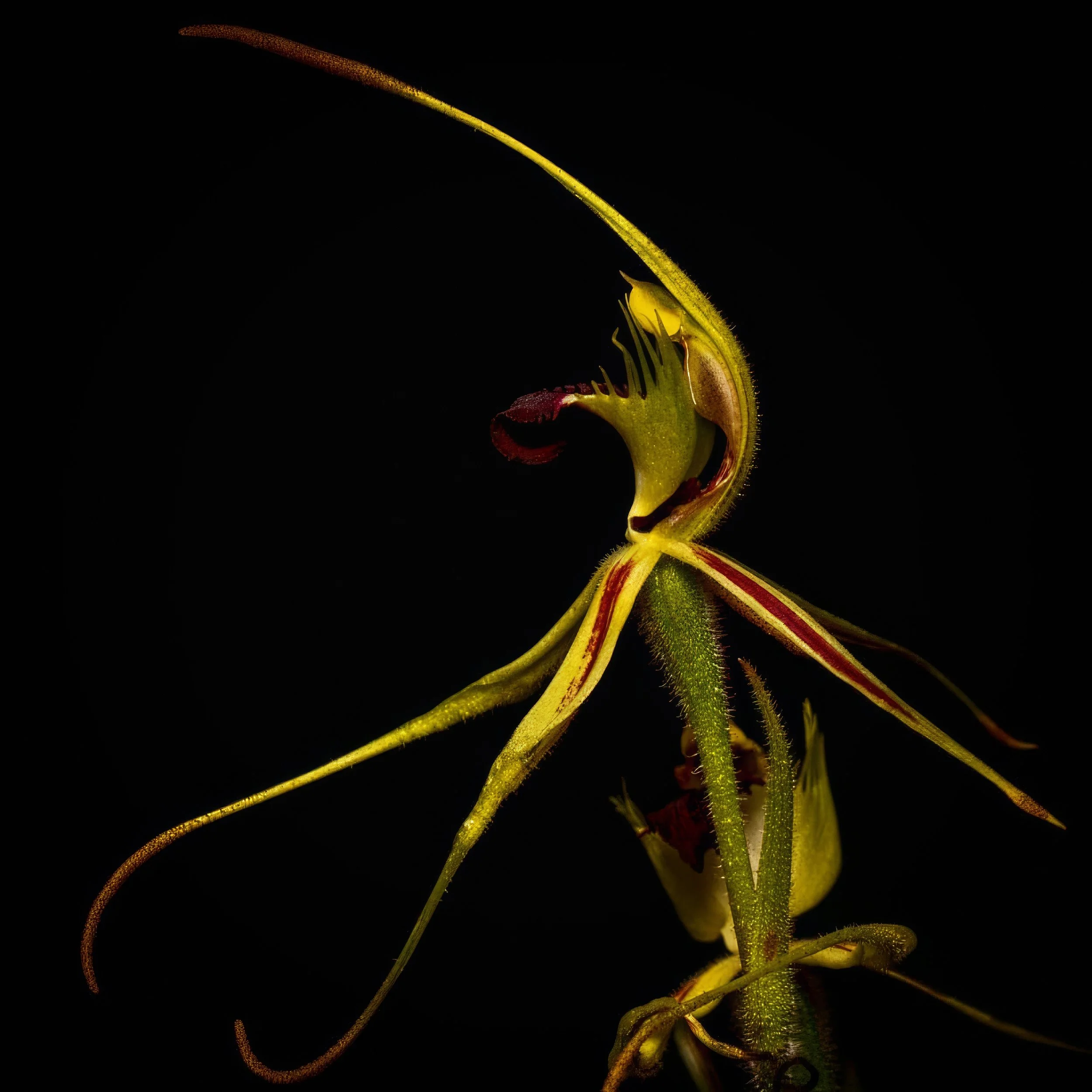

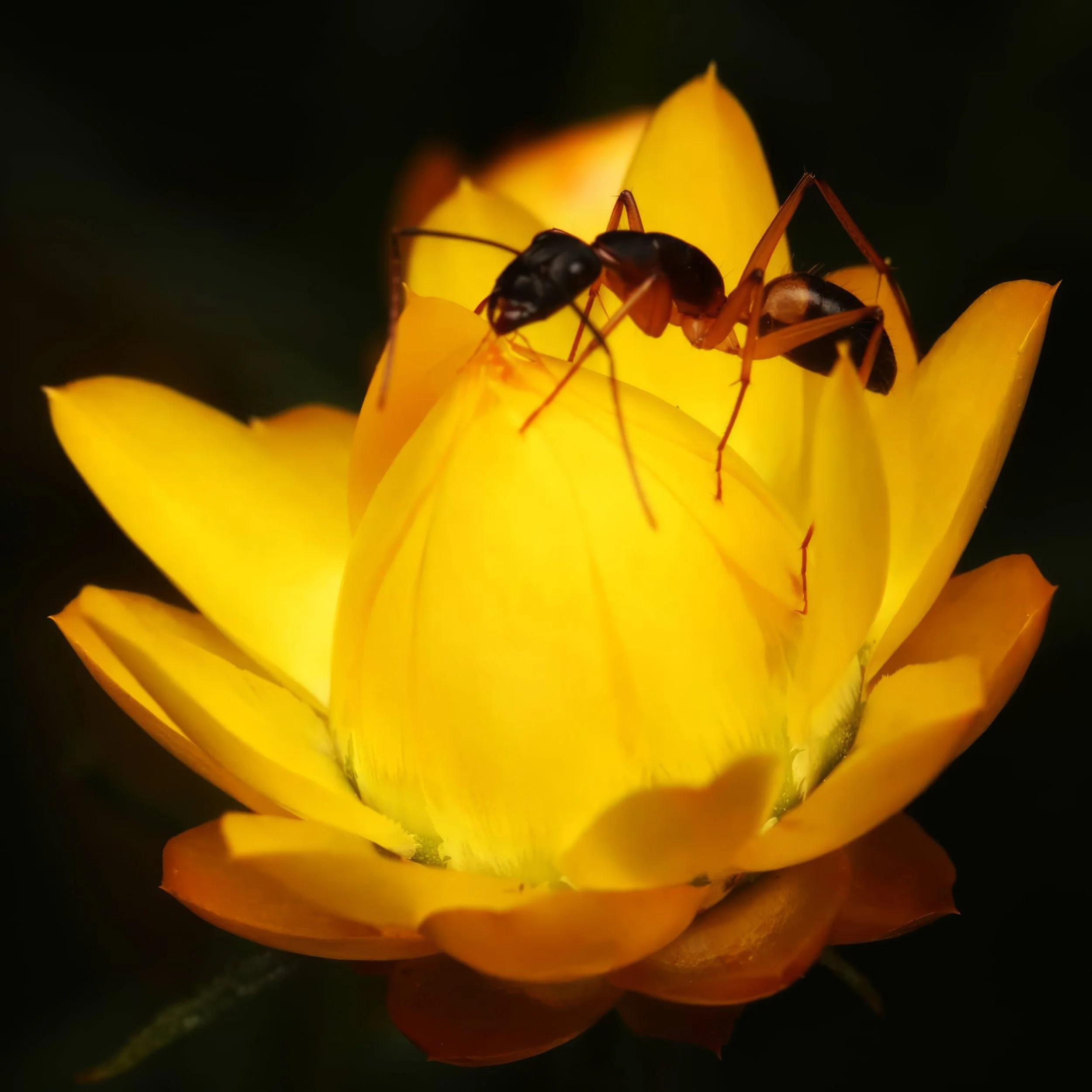





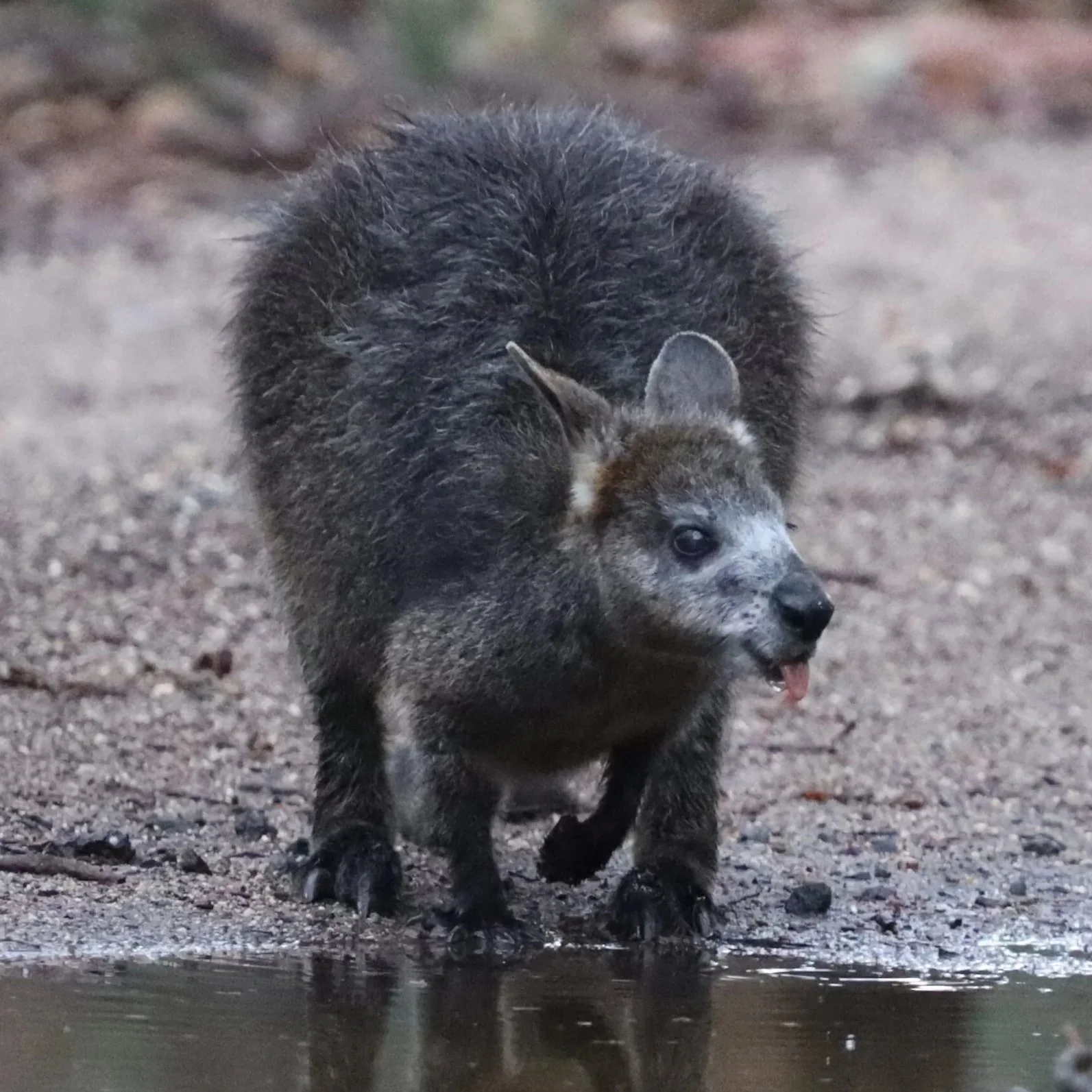

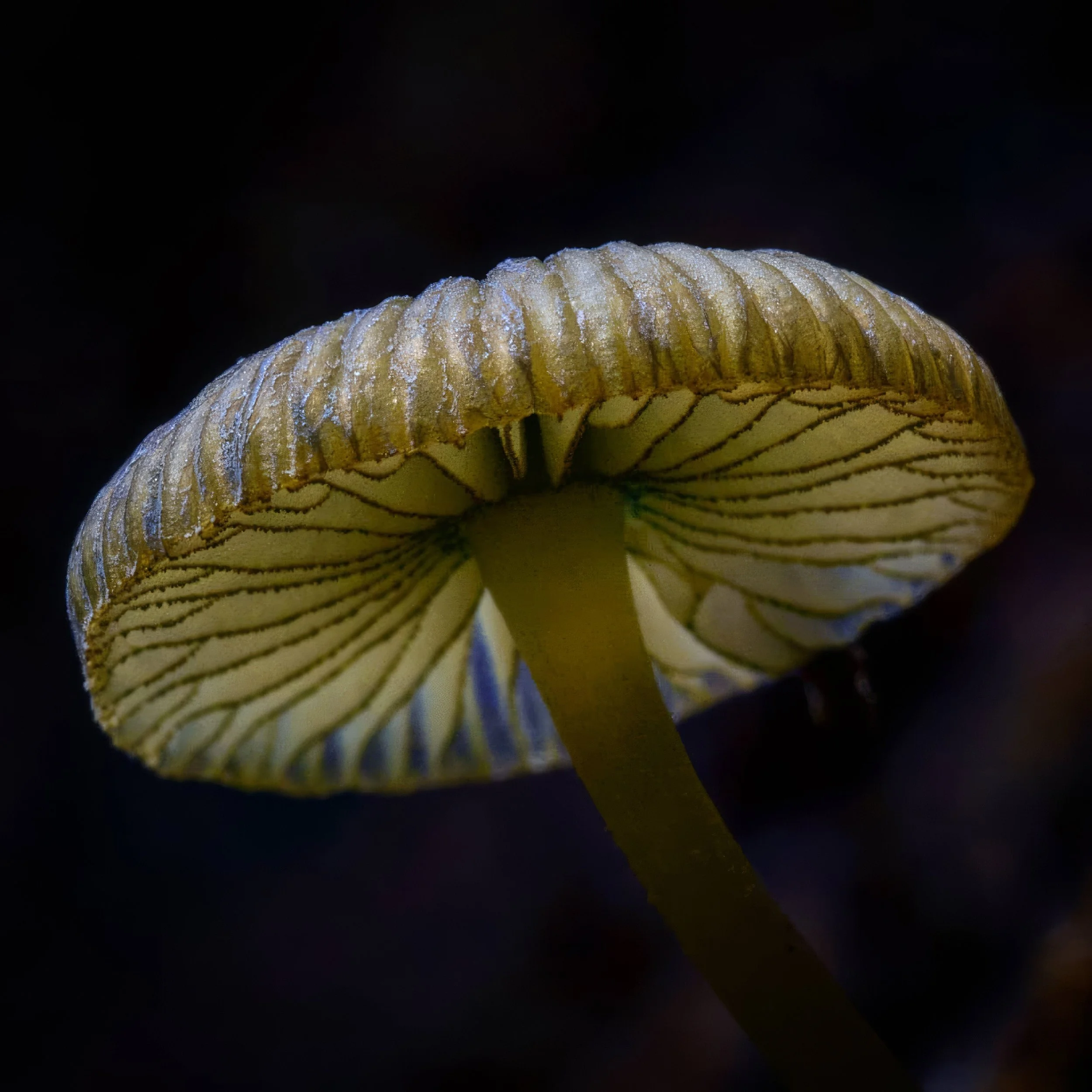

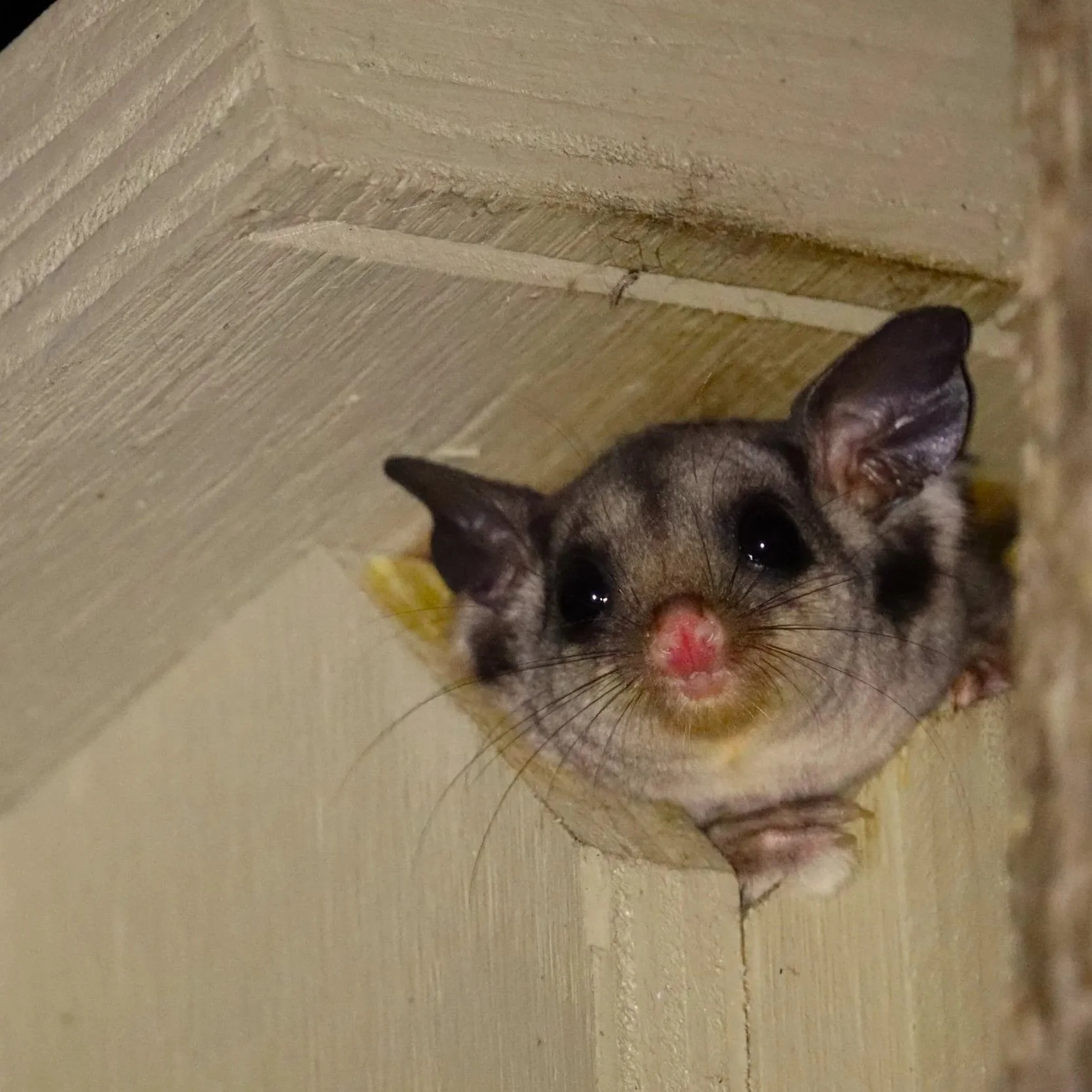

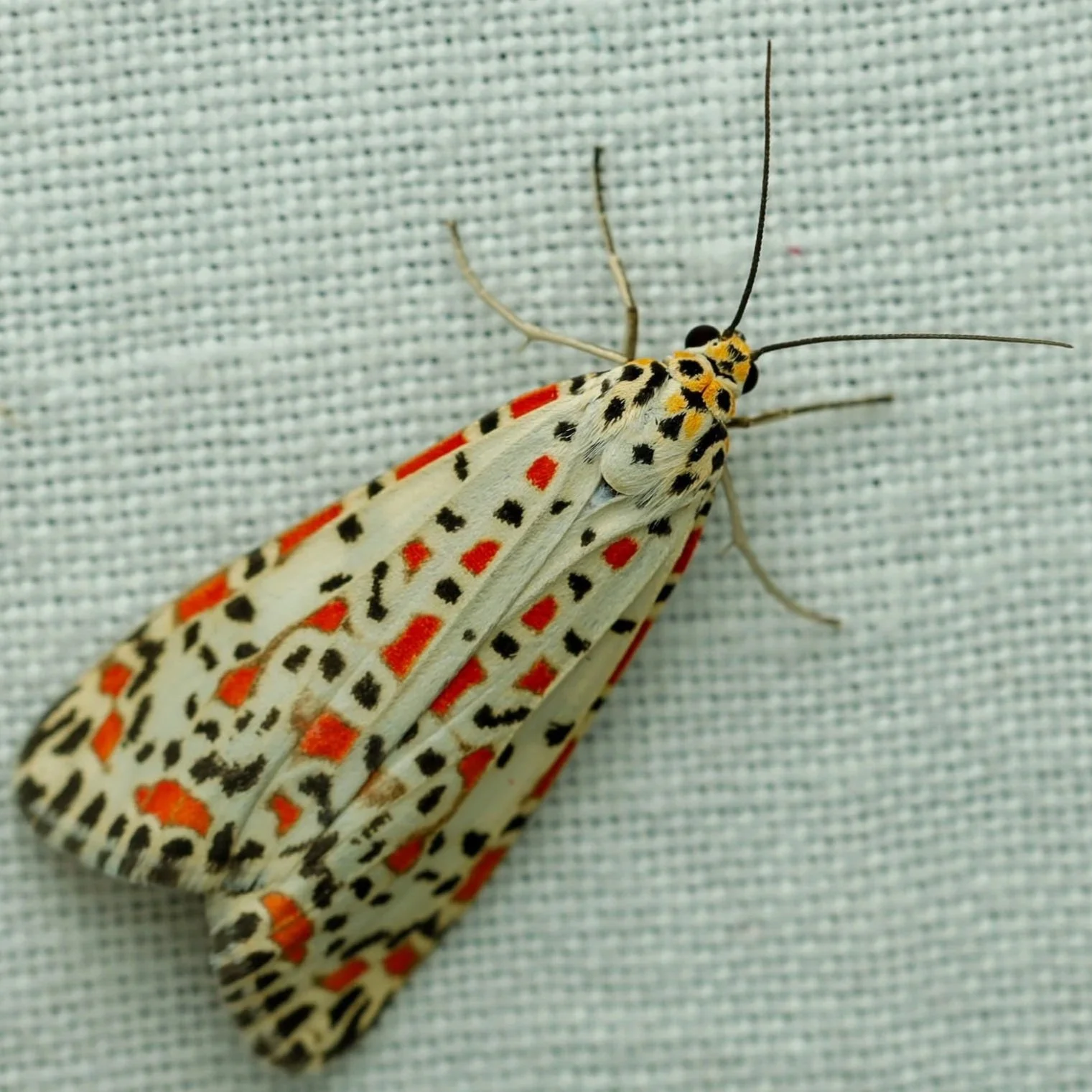

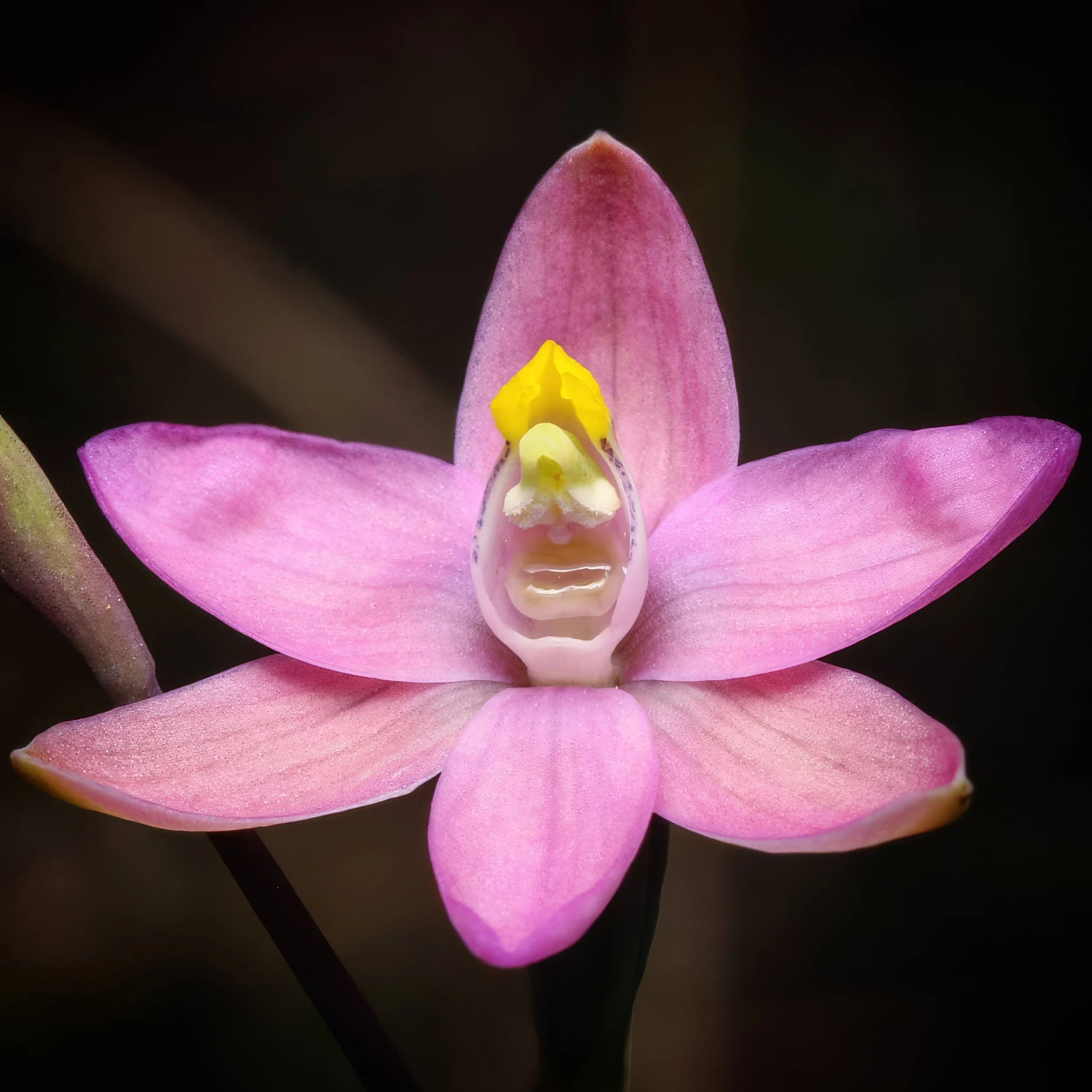

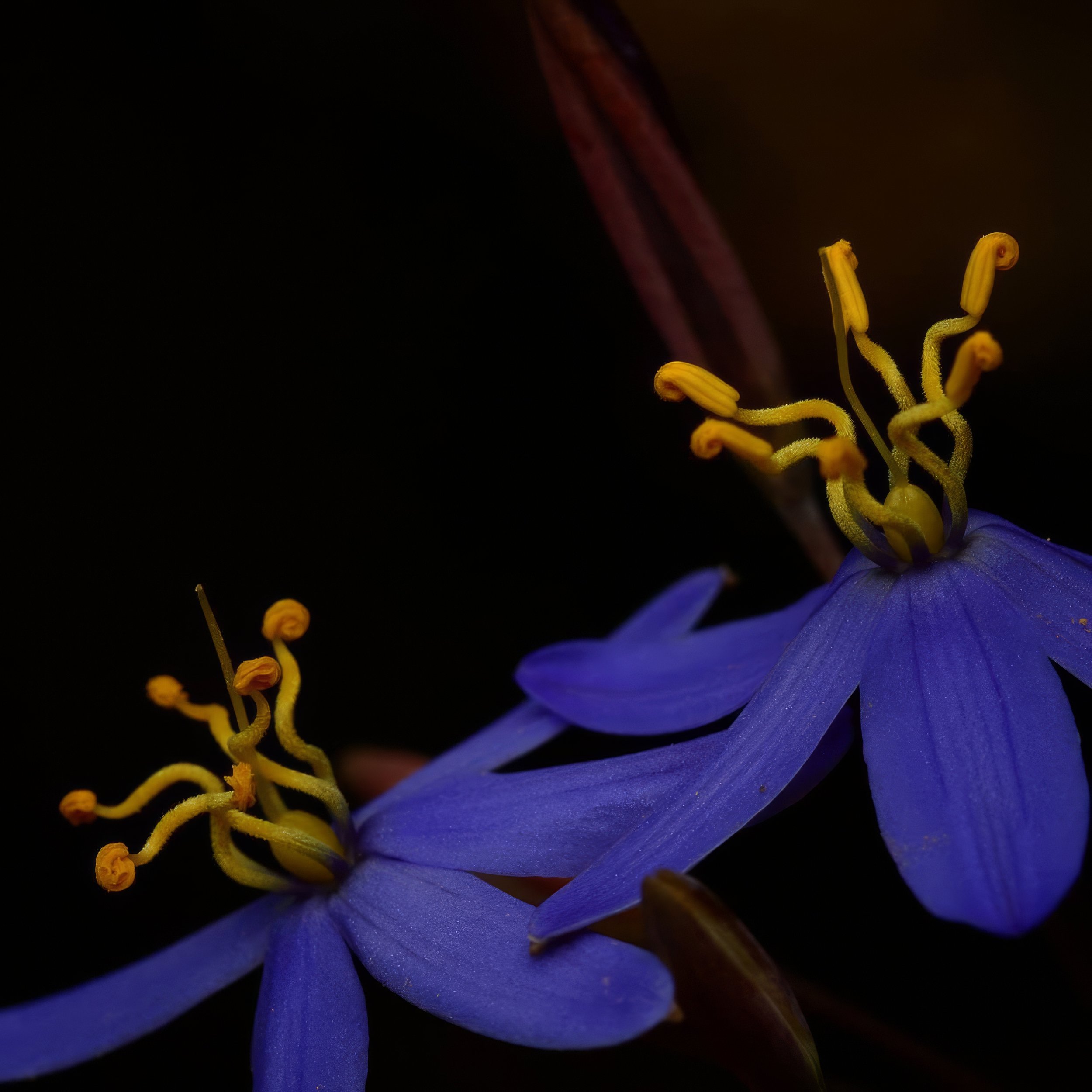

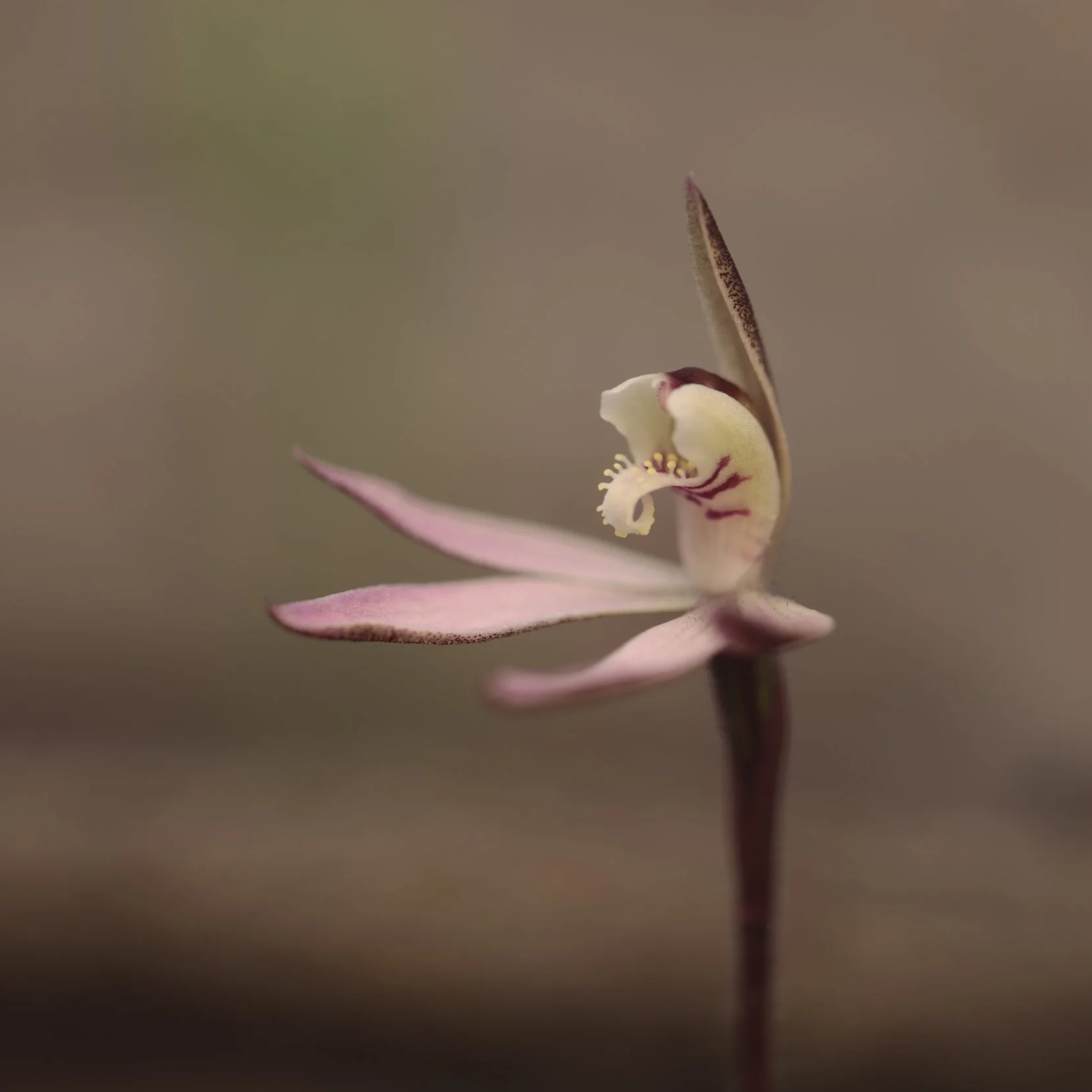



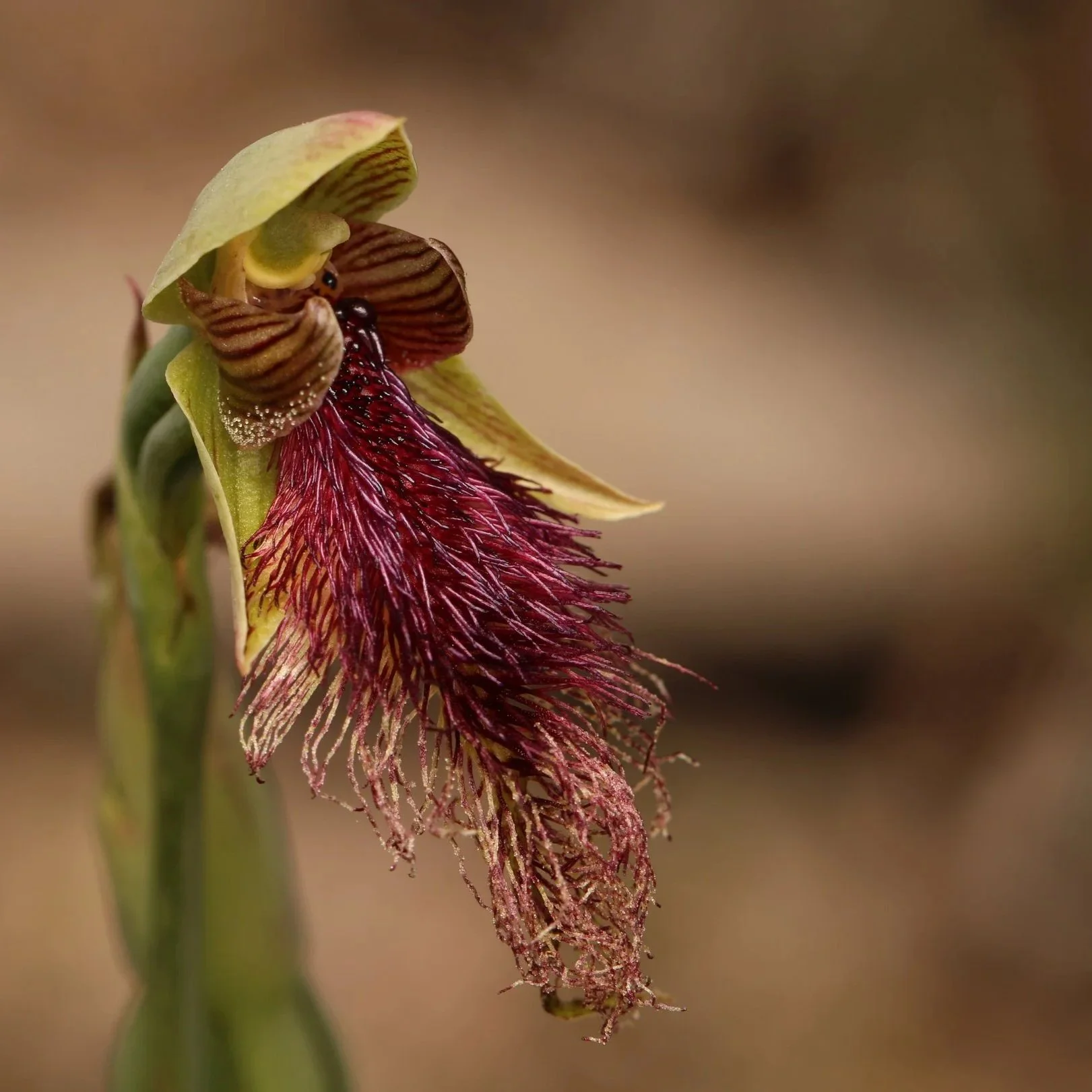

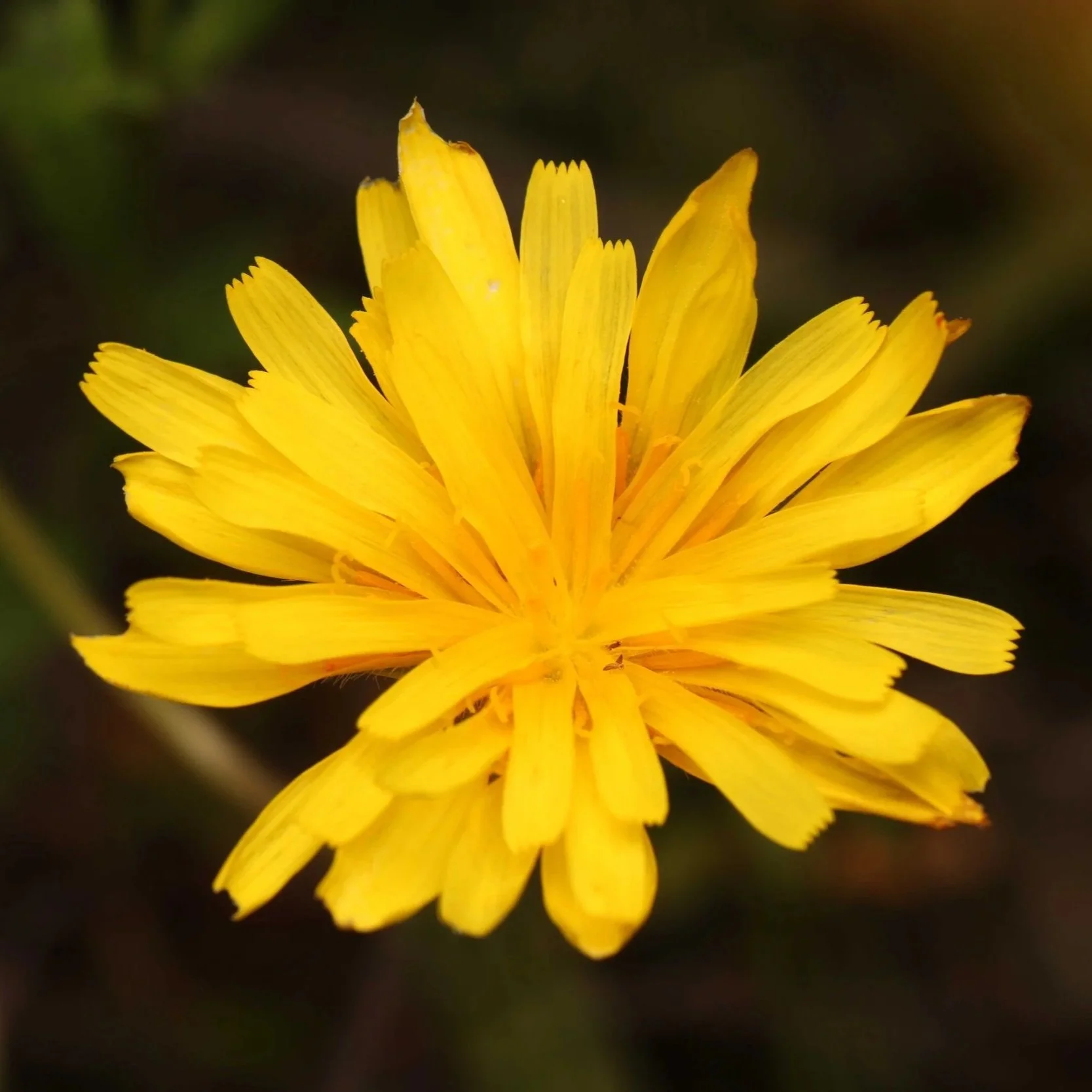



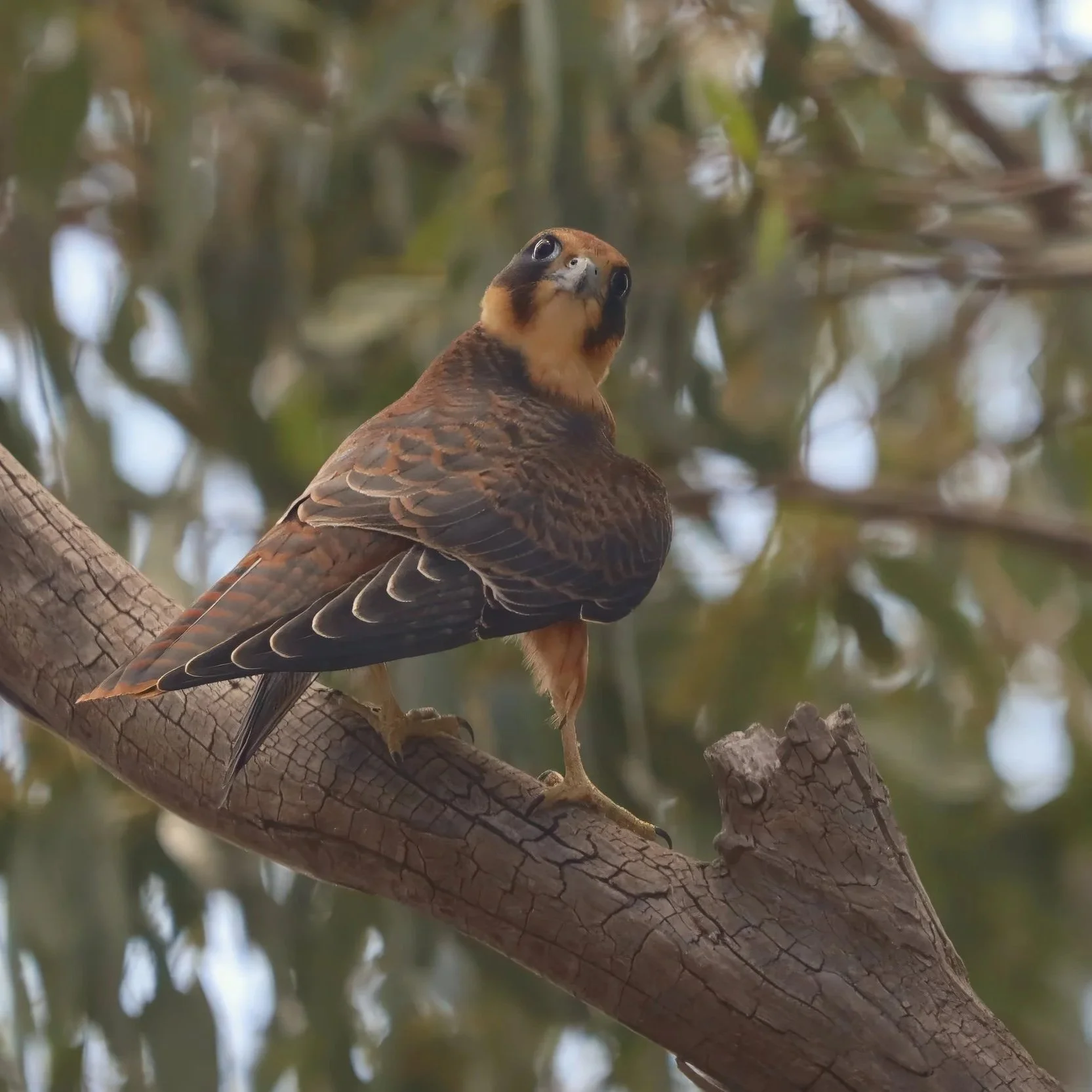
By allowing trees to grow large and hollows to form, our work will support faster development of suitable forest habitat for hollow-dependent mammals like the Brush-tailed Phascogale and Sugar Glider. In the short-term, nest boxes and artificial hollows in the demonstration sites will provide much-needed shelter for these animals. A richer, more structurally diverse forest will provide better habitat for woodland birds such as the Swift Parrot, Hooded Robin, Brown Treecreeper and Diamond Firetail, which depend on this dry forest type to survive.
Rehydration and revegetation will increase water availability and improve microhabitats at ground level for amphibians, reptiles and invertebrates.
Creating habitat refuges over large scales will create biolinks that will help threatened species survive drought and climate extremes by enabling movement between healthy patches.
Making a contribution that lasts
Following works carried out on our demonstration properties, we will conduct ongoing monitoring to verify ecological outcomes and provide valuable scientific insights to inform nature repair efforts throughout the region.
By securing this work under robust Trust for Nature covenants, we can ensure lasting outcomes for our demonstration properties with permanent protection.
Cameron O’Mara - Landscape Project Manager
For more information, contact Cameron O’Mara.
cameron.omara@biolinksalliance.org.au
Sign up to our Goldfields Forest Restoration mailing list to hear about events in your area and receive locally tailored resources.