
Nature on Farms Symposium
Building resilient agriculture through nature based solutions
The 2026 Nature on Farms Symposium is a two-day public event combining expert presentations with on-ground demonstrations exploring ways to build climate resilience on farms through integration with natural ecosystems.

Exploring how natural systems can strengthen agricultural productivity and resilience.
A two-day public event showcasing proven interventions and practical advice to help people future-proof their farms.
Sharing proven interventions and practical advice, the Nature on Farms Symposium aims to help more people adopt ecologically integrated farming practices and future-proof their farms for a changing climate.
Presentations share practical approaches to enhancing and regenerating the ecological processes on which agriculture relies – which in turn can reduce costs and inputs while improving the farm’s ability to withstand extreme weather and climate pressures.
Symposium Overview
Thursday 11th June (by invitation only)
- A forum for Biolinks Alliance Network Members to showcase their farmer engagement programs and to learn what other members are doing to engage farming communities.
Friday 12th June - public event
- 9 presentations from farmers, farming researchers and agricultural professionals
- Conference dinner at the All Seasons Hotel, Bendigo, with farmer, scientist and storyteller - Dr Anika Molesworth
Saturday 13th June - public event
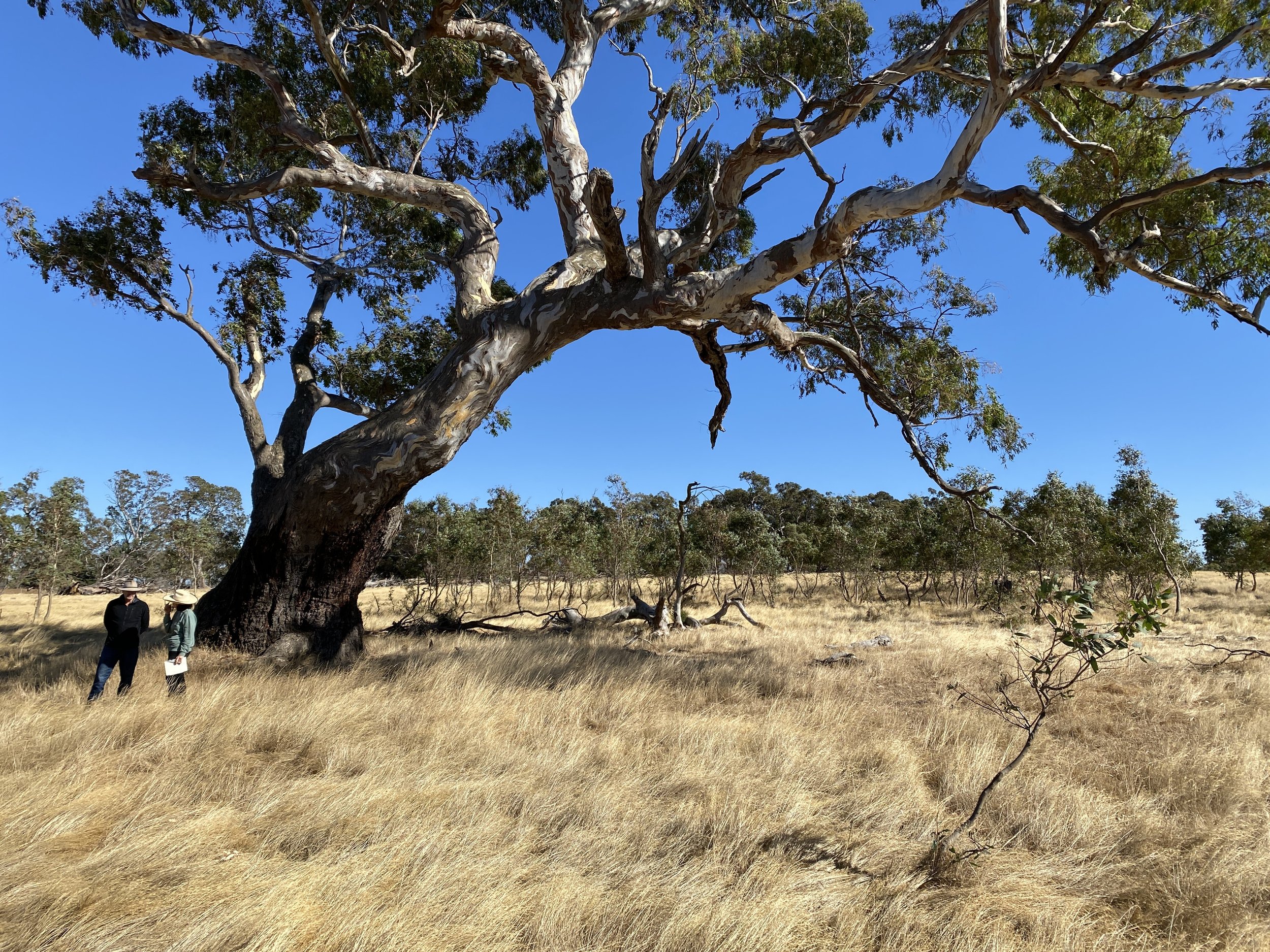
- Site visits at two exceptional farms; “Bear and Twigg” presented by Jo Bear, and DJAKITJ presented by Djaara
Nature on Farms
Learn more about our Nature on Farms program funded by the Federal Government’s Future Drought Fund Resilient Landscapes program
“Our food systems and the farming way of life are increasingly under threat from the effects of a changing climate. The Nature on Farms Symposium will provide a unique opportunity for farmers, researchers, agribusiness professionals, conservation practitioners, land managers and policymakers to come together to scale up adoption of nature-based solutions in agricultural settings.”
Symposium presenters

Dr Matt Colloff - Australian National University
Matt is an honorary senior lecturer and the Fenner School, ANU. Prior to this role, he worked in CSIRO for 23 years on soil biodiversity in agricultural landscapes, revegetation and ecological restoration, ecology and management of wetlands and rivers and adaptation to climate change. He is a member of the Wentworth Group of Concerned Scientists.
“Hope, agency and adaptation to climate change”
Climate change is a big, scary and daunting. It evokes feelings of fear and insecurity about the future, robbing us of agency. In this talk I will address some ways of overcoming these concerns to generate a sense of pragmatic hope about what we can do differently and how we can work together to adapt to climate change.
Nathan Gregory - Sustainable Farms Ecologist
Nathan is a local ecologist with experience within the conservation and natural resource management sectors in Australia and New Zealand. He has a strong interest in conservation within agricultural landscapes, particularly the role farm dams could play in supporting declining waterbird populations.
“The Science of Farm Dam Enhancement: productivity and biodiversity benefits”
Sustainable Farms research has demonstrated that farm dam enhancement can deliver significant productivity and biodiversity benefits to farmers. Farm dam enhancement involves erecting stock exclusion fencing, installing alternative watering points and undertaking revegetation, whilst the benefits including improved water quality, increased water security, and boosts to biodiversity. This talk will cover both the findings of Sustainable Farms research as well as the practical steps to take when enhancing a farm dam.
Dr Nathan Wong - Dja Dja Wurrung Clans Aboriginal Corporation
Nathan Wong is Manager of DJANDAK Development with Dja Dja Wurrung Clans Aboriginal Corporation. He works at the intersection of Traditional Owner - led land management and economic development, supporting initiatives on Djandak that strengthen culture, care for Country, and sustainable enterprise. His work includes advancing DJAKITJ, a Djaara - led farming initiative connecting cultural values with contemporary market opportunities.
“DJAKITJ”
This presentation provides an overview of DJAKITJ and its approach to establishing a DJAARA-led farming enterprise on Djandak. It explores how the initiative integrates cultural values with enterprise development, focusing on the production of goods alongside strategies to build, support, and enable access to markets, strengthening sustainable economic opportunities grounded in Dja Dja Wurrung knowledge and connection to Country.
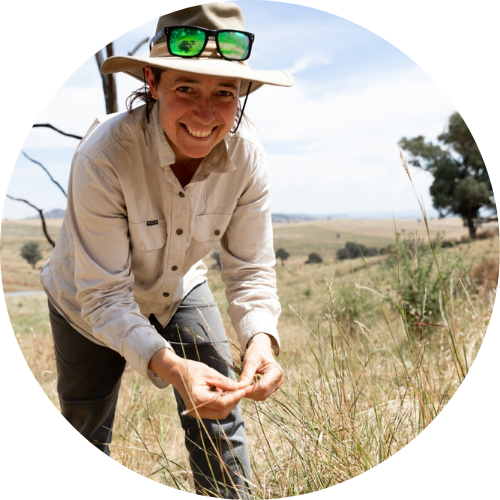
Imogen Semmler - Agricola Projects
Imogen is an agroecologist, science educator and creative innovator who is passionate about building healthy and resilient soils and landscapes in our farming systems. She works across many areas of agroecology and farm natural capital including soil and pasture health, biodiversity and grazing management.
“Healthy, Resilient and Productive Pastures”
This session will introduce some key principles of grazing management to build healthy soils and long-term pasture productivity. It will also explore how diversity in your pasture system can benefit production, resilience and conservation outcomes.
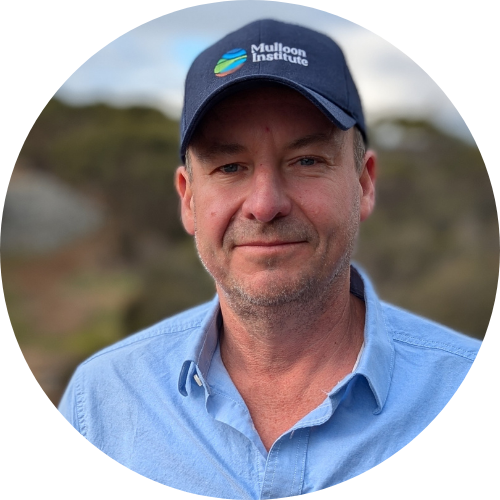
Glen Norris - Mulloon Institute
Passionate about functional landscape restoration, Glen believes in initiatives that support participation and sustainable communities to promote ownership of the shared responsibility of healthy Country. Glen has a commitment to First Nations and wider community engagement, focusing on establishing a mutually beneficial ‘right way’ approach to environmental stewardship based on respect and inclusivity.
“The Regenerative Power of Water”
Achieving meaningful nature repair requires resilient landscapes capable of withstanding climate extremes. True resilience depends on ecosystem functionality - the capacity of a landscape to retain and cycle water, carbon, minerals, and nutrients, whilst simultaneously meeting social, cultural, and spiritual needs. In this presentation, Glen draws upon Mulloon’s two decades of practical, on-ground experience to highlight how landscape rehydration serves as a foundational nature-based solution for a changing climate.
Dr Natasha McLean - Taungurung Land and Waters Council
Dr Natasha McLean is the Executive Officer for the Corop Cultural Waterscape program at the Taungurung Land and Water Council. Taungurung Country is bounded by the Great Dividing Range to the east and south, the Campaspe River to the west and by the Ovens River and a series of flats and wetlands in the north. Imprinted on the land are the Dreaming stories, totemic relationships, songs, ceremonies and ancestral spirits which give it life and immense value. Natasha brings her leadership and expertise in policy development, land management and partnerships to this interconnected and holistic approach to working with community.
“Corop Cultural Waterscape program”
The Corop Cultural Waterscape spans over 100,000 ha between Rochester, Heathcote and Nagambie. The Corop program is about finding ways to work together to care for and holistically manage land and water so that all can benefit. Natasha will talk about the 100-year vision, building partnerships and the Country-led approach.
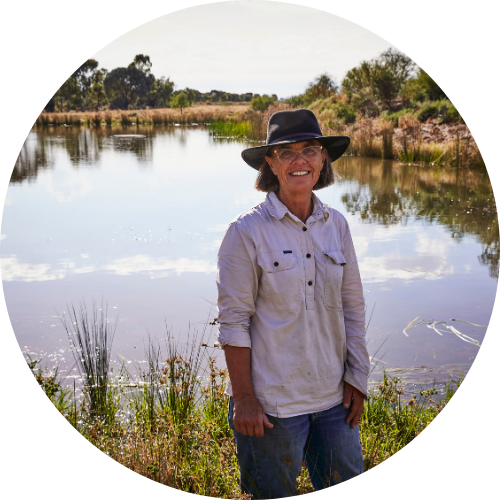
Jo Bear - Bear and Twigg farm
Jo grew up on a sheep farm before pursuing a career as a Vet, eventually returning full circle to farming as both a sheep and environmental farmer. Following the Millennium Drought and a holistic grazing management course, she developed a strong belief in the power of collaboration and now, alongside her husband Greg, farms sheep and manages environmental landscapes on the Loddon River floodplains at Canary Island.
“Opening the Farm Gate”
Opening the Farm Gate explores a farmer’s perspective on how welcoming others onto the farm can build “social biodiversity” alongside ecological diversity. Through the story of one paddock “Tippaburra”, this presentation shows how nature thrives not only through biodiversity in the landscape, but also through diversity in people, knowledge and relationships—building resilience for the landscape, the people within it, and the business that depends on both.
Dr Jim Radford - La Trobe University
Jim is an Associate Professor in the Department of Ecological, Plant and Animal Sciences and Director of the Research Centre for Future Landscapes at La Trobe University. Jim is a landscape ecologist and conservation biologist who has been researching how farming and biodiversity can co-exist in agricultural landscapes for >25 years. Jim led the Farm-scale Natural Capital Accounting project from 2020-2024 and is lead science partner for the Farming for the Future initiative.
“Natural thinking: how natural capital benefits farm production and biodiversity at the same time”
There is growing global interest in accelerating on-farm natural capital - the natural resources including soil, vegetation, animals and water resources that farmers use to produce crops and livestock. This is needed to redress the degradation of ecosystems in agricultural landscapes and combat the threat that climate change poses to both agricultural production and biodiversity. However, farmers often fear that investment in natural capital ‘comes at a cost’ to their financial performance. The results of the Farming for the Future project demonstrate these fears are misplaced. This presentation will show how we measure natural capital on farms, and demonstrate its positive relationship with productivity, profitability and financial resilience, while boosting biodiversity, at the farm scale.
Dr Claudia Munera - Australian National University
Claudia is a transdisciplinary researcher and practitioner, working in climate change adaptation, environmental governance, and sustainability. She is interested in understanding and leveraging people-nature connections to navigate global changes.
“Reimagining our landscapes: collective learning and experimentation in times of change”
The twin global challenges of climate change and biodiversity loss are reshaping our natural and farming systems and the communities that depend on them. Driven by shared social and economic forces, their impacts are uneven across places, generations, and livelihoods. Addressing these changes require transformative change grounded in local values, knowledge, and collaboration. Drawing on the day’s key presentations and real-world examples, this talk will highlight how learning together and working across sectors can support adaptation and create legitimate pathways to desirable futures for our shared landscapes.
Conference dinner speaker
Dr Anika Molesworth - Farmer, scientist and storyteller
Dr Anika Molesworth is a farmer, scientist and storyteller. She is widely recognised for her work in agriculture and food systems and generating climate change awareness. Anika is the author of Our Sunburnt Country, which won the Royal Societies of Australia and New Zealand Writer’s Award for Outstanding Writing on Social Change. Other awards include Young Conservationist of the Year (2022), Young Australian of the Year, New South Wales Finalist (2017), and Young Farmer of the Year (2015). Anika is passionate about ensuring the best possible future for the planet, people and the food on our plates.
“Determination, willpower, social resilience”
The climate crisis can feel overwhelming, with stories of droughts, floods, fires, and an uncertain future. But what if this end isn’t inevitable? What if hope, courage, and action could rewrite the story?
Site visits
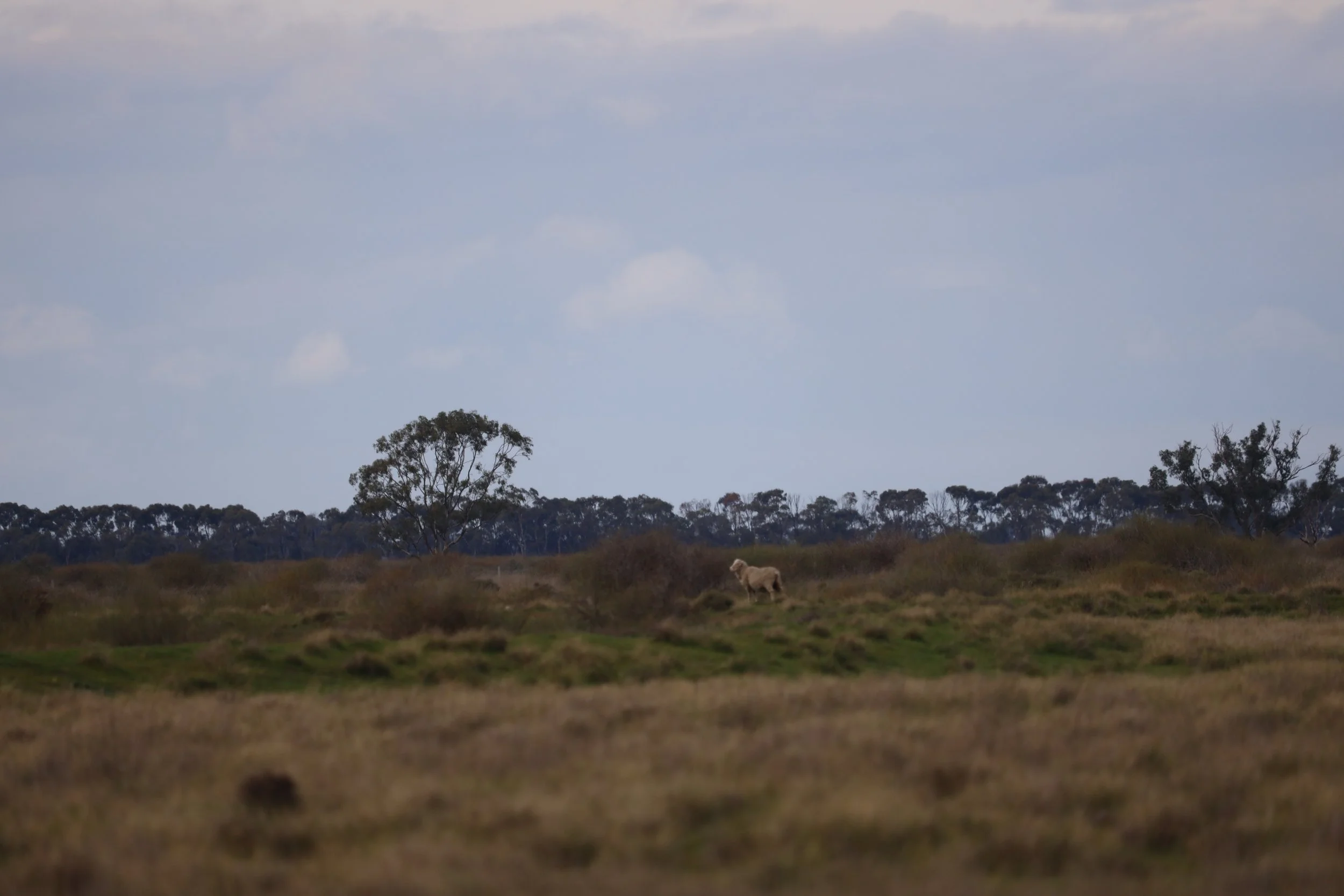
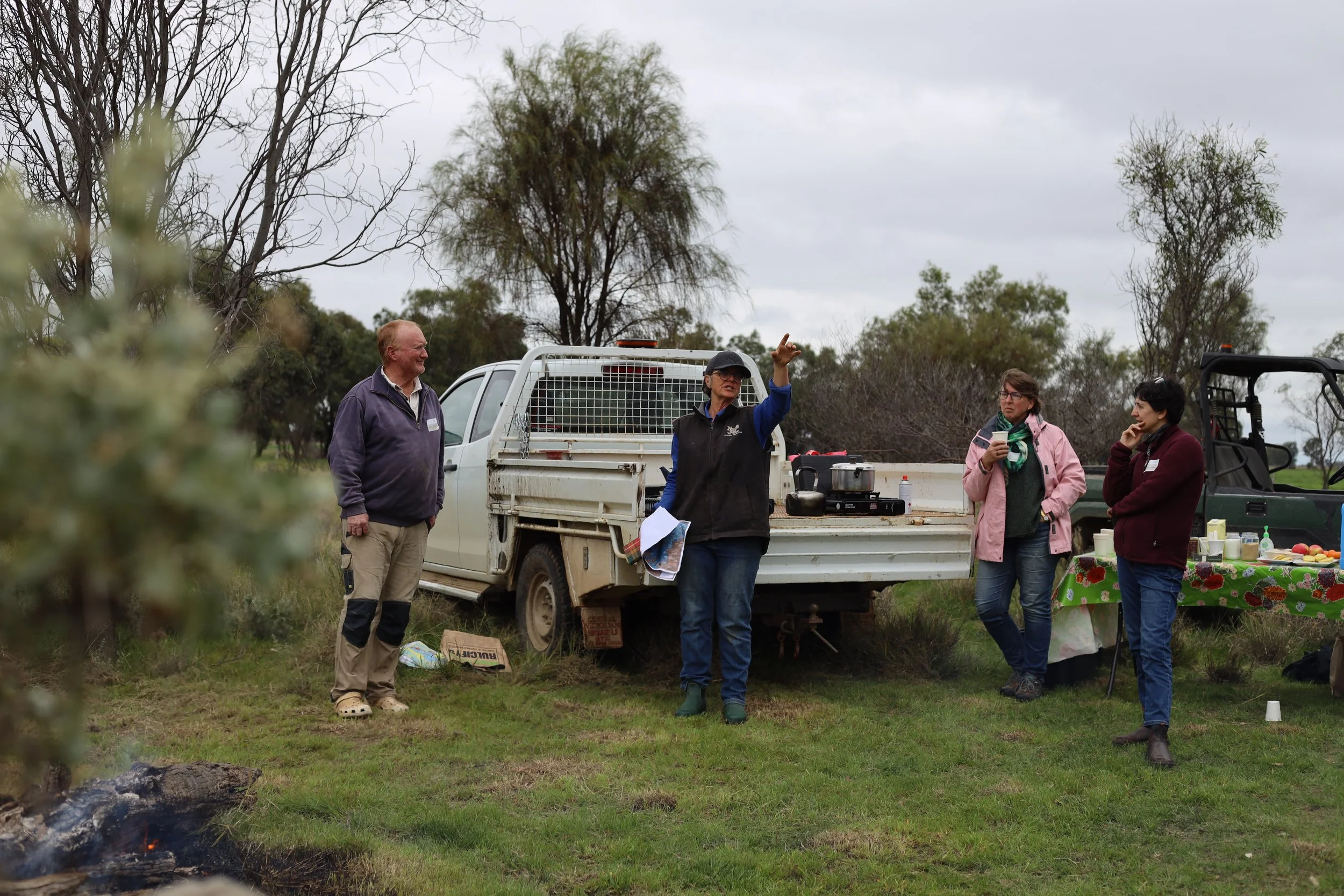
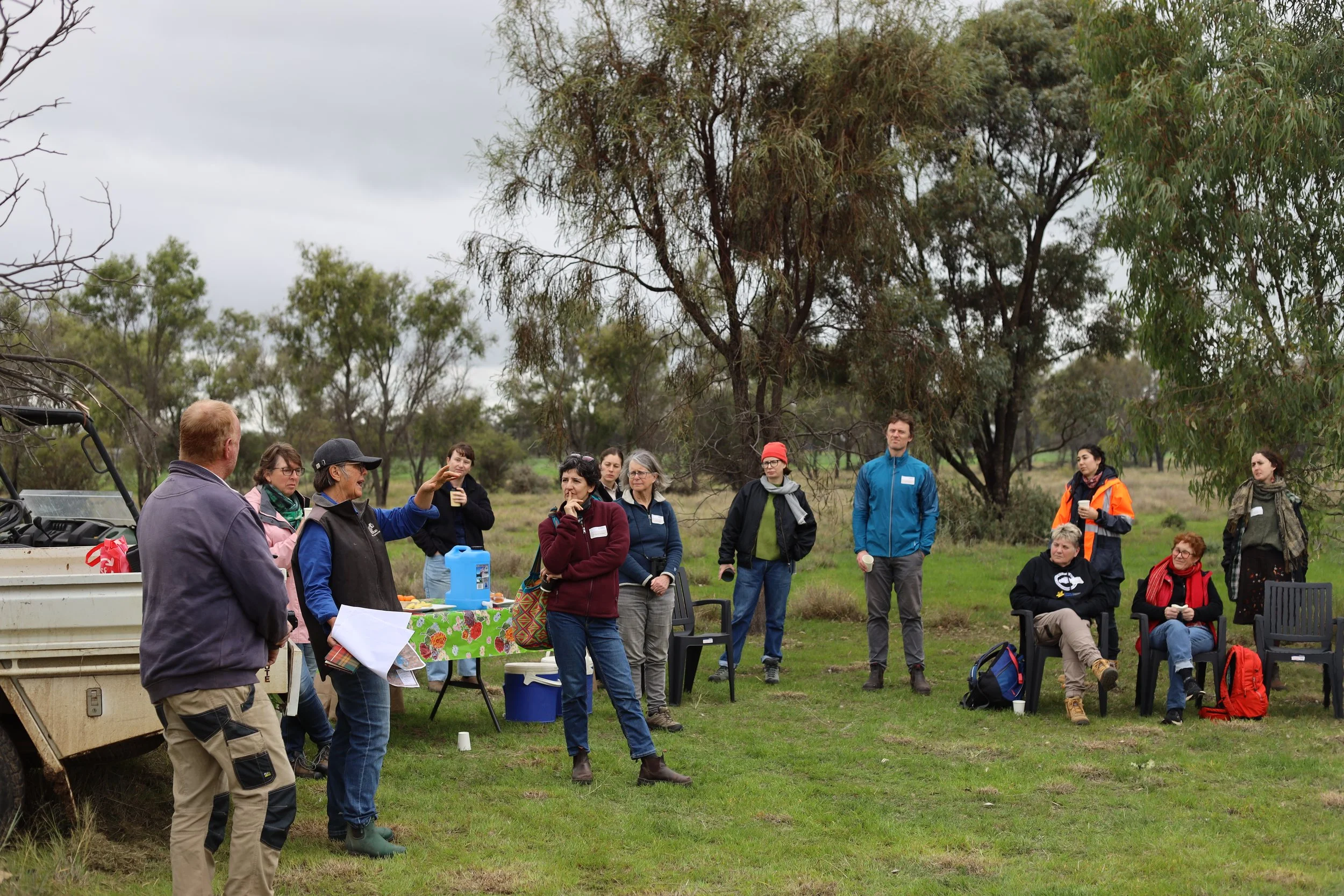
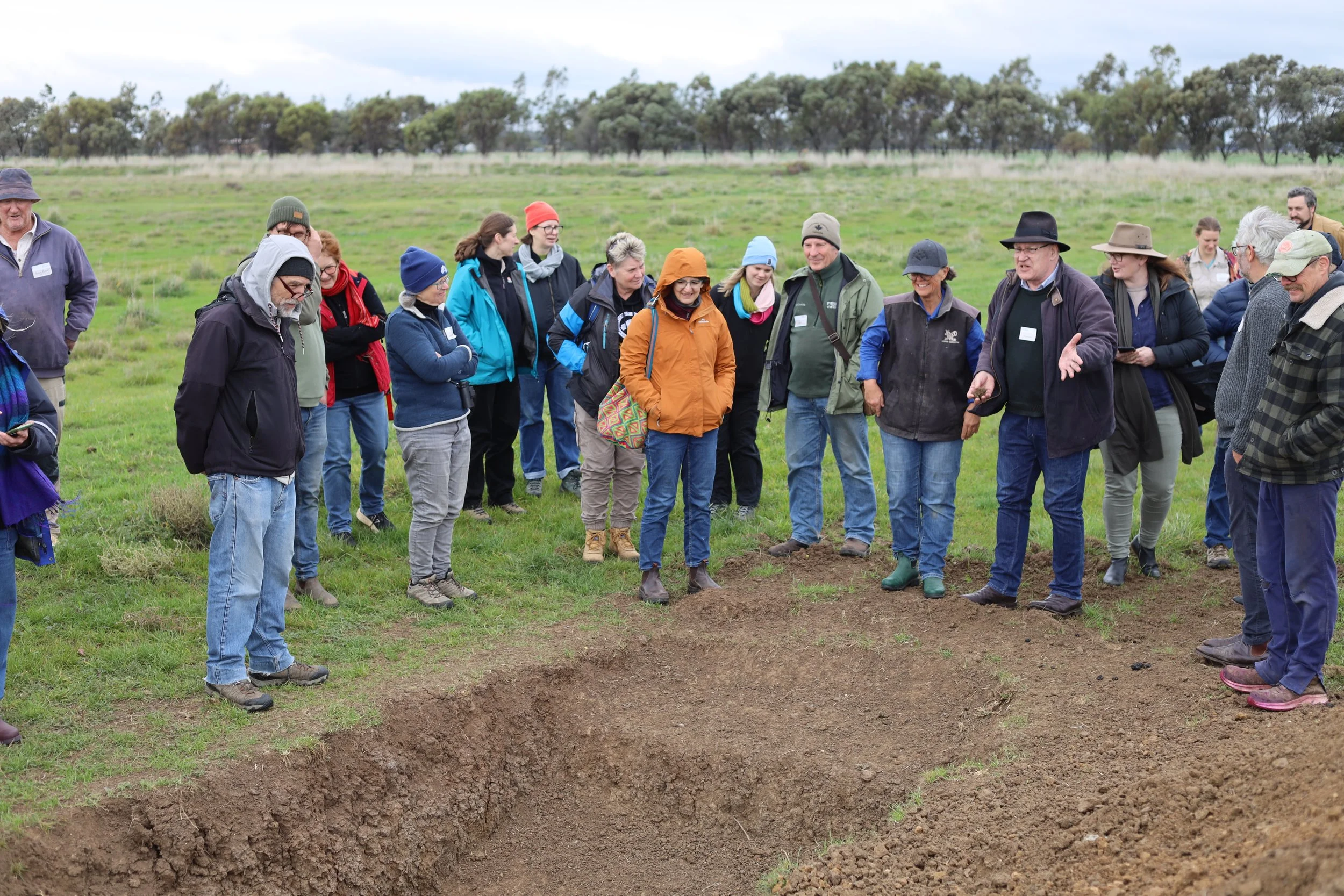
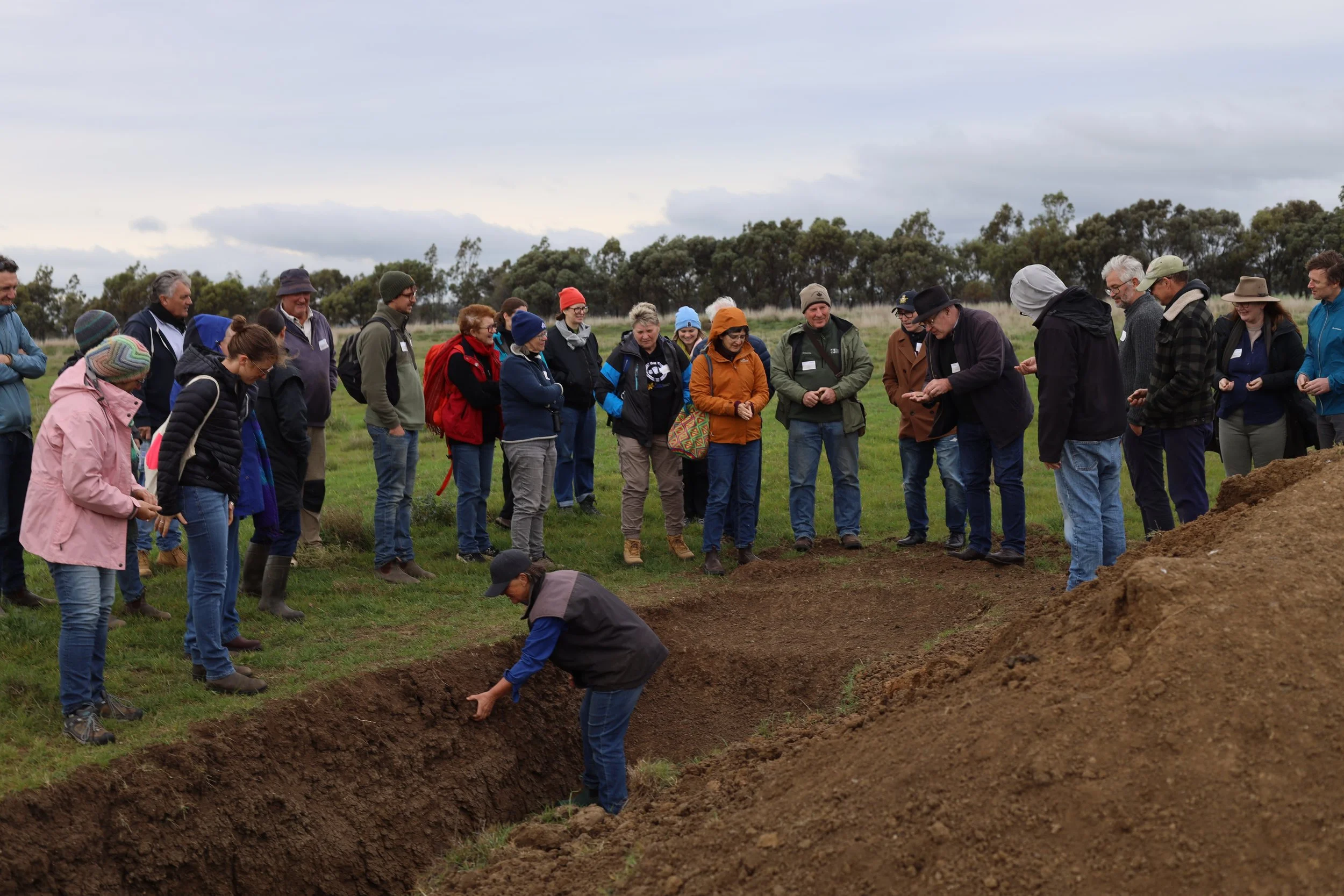
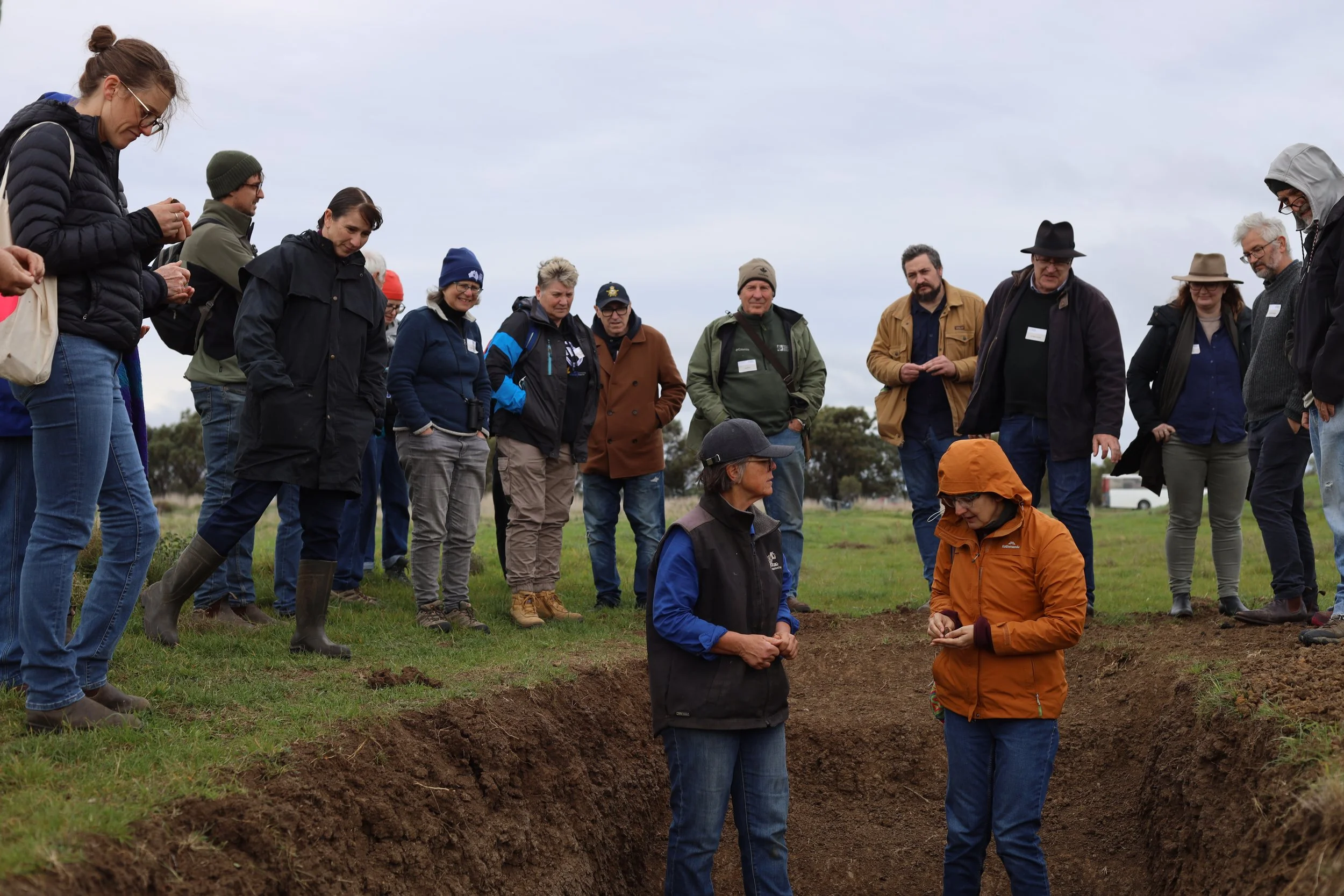
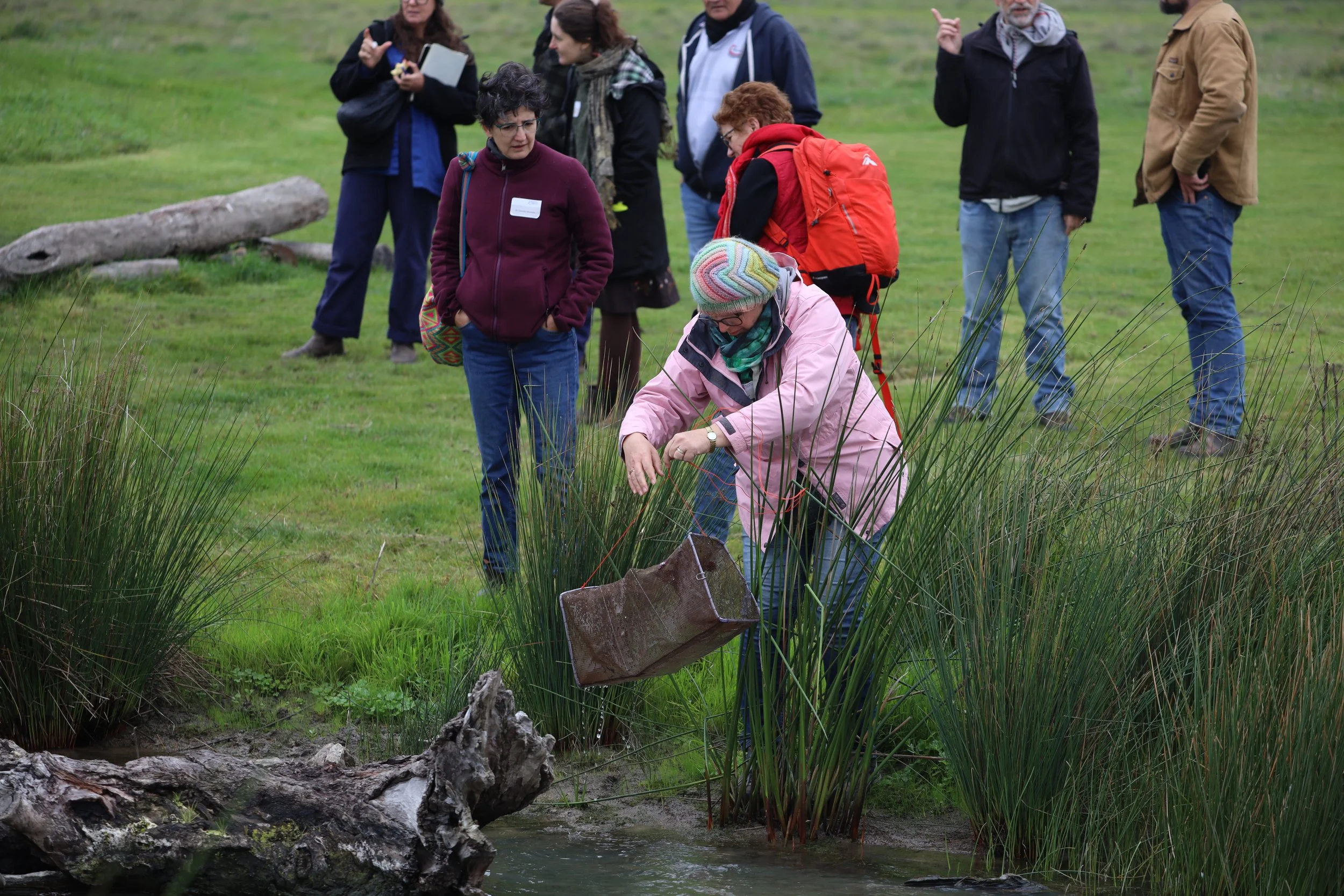
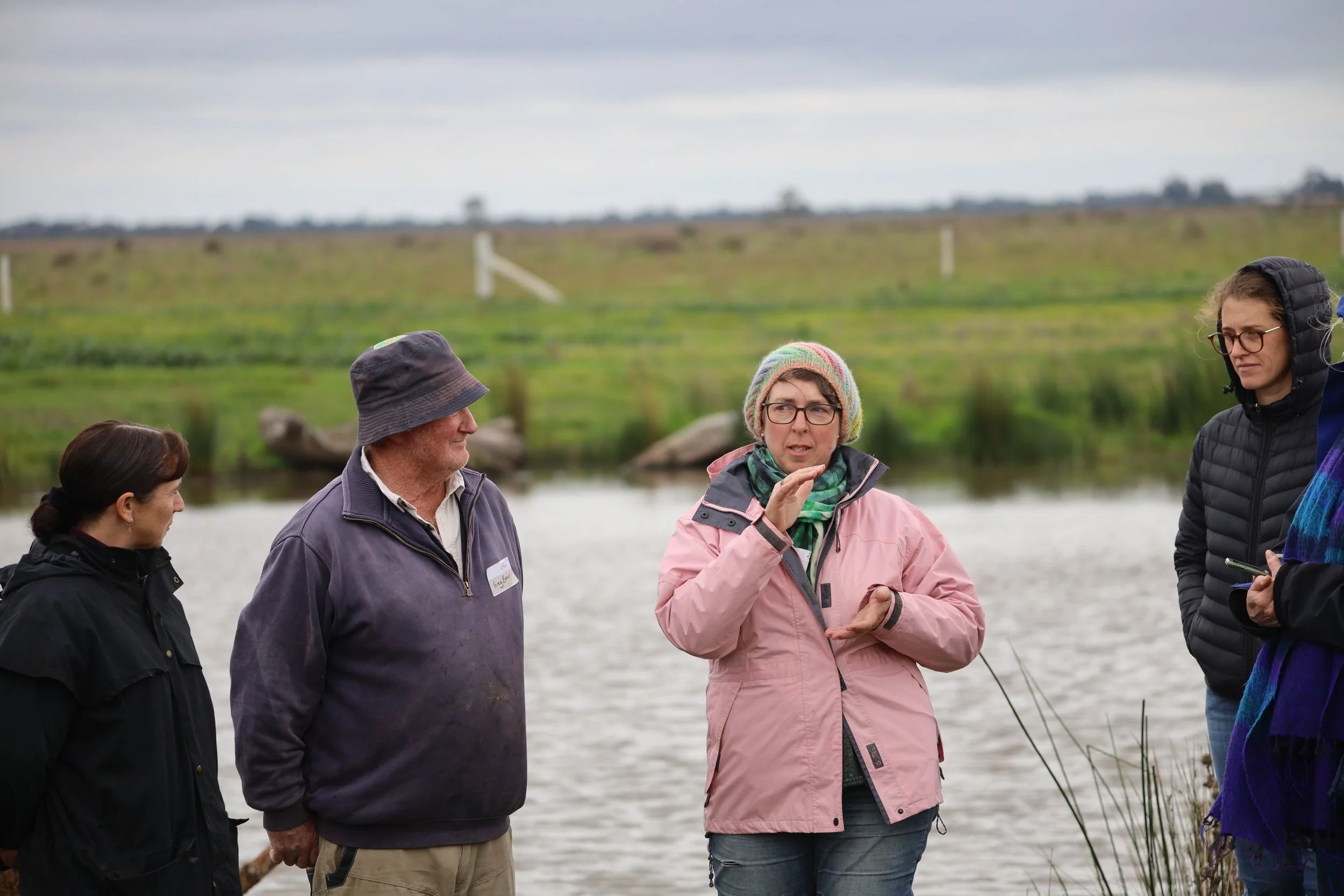
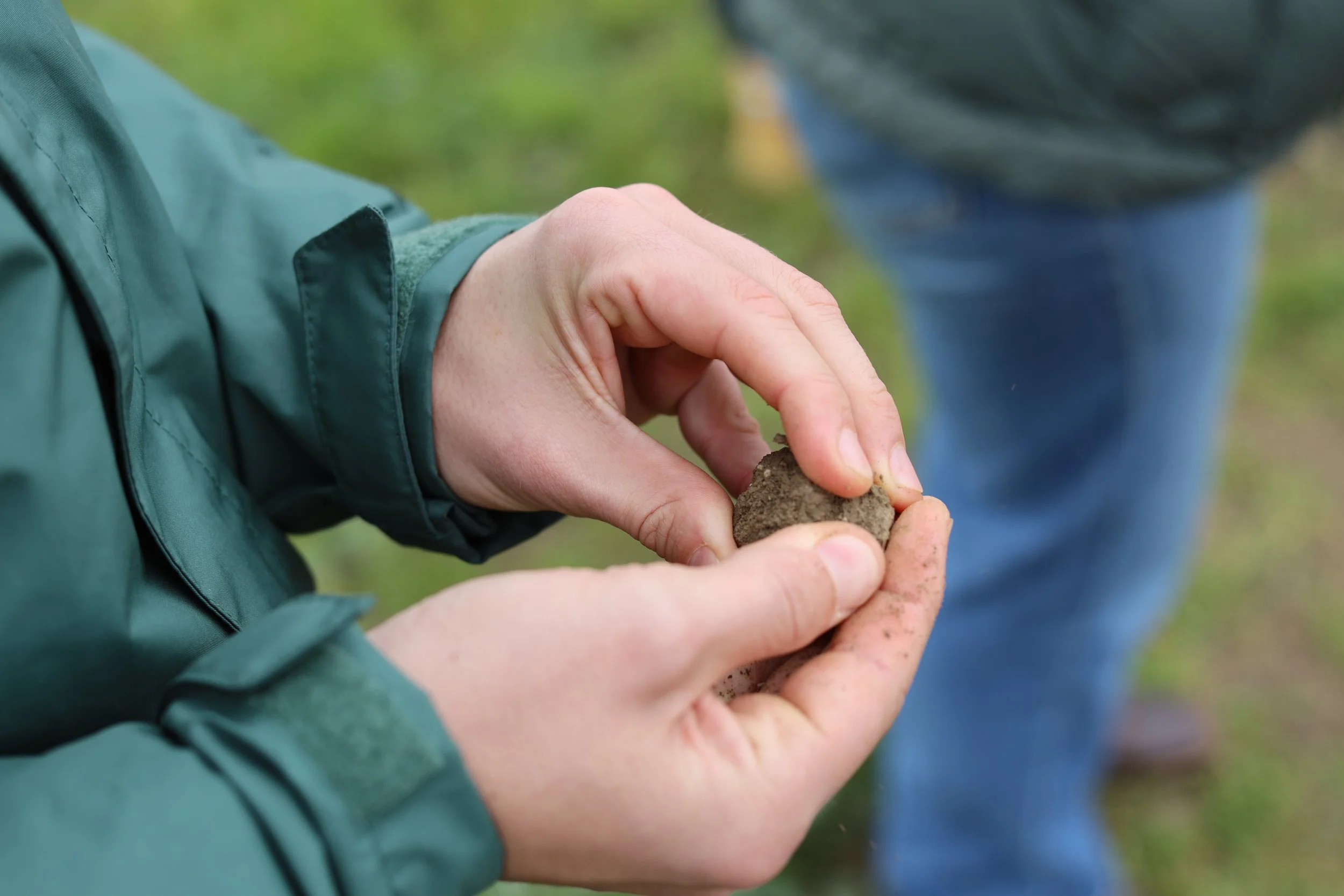
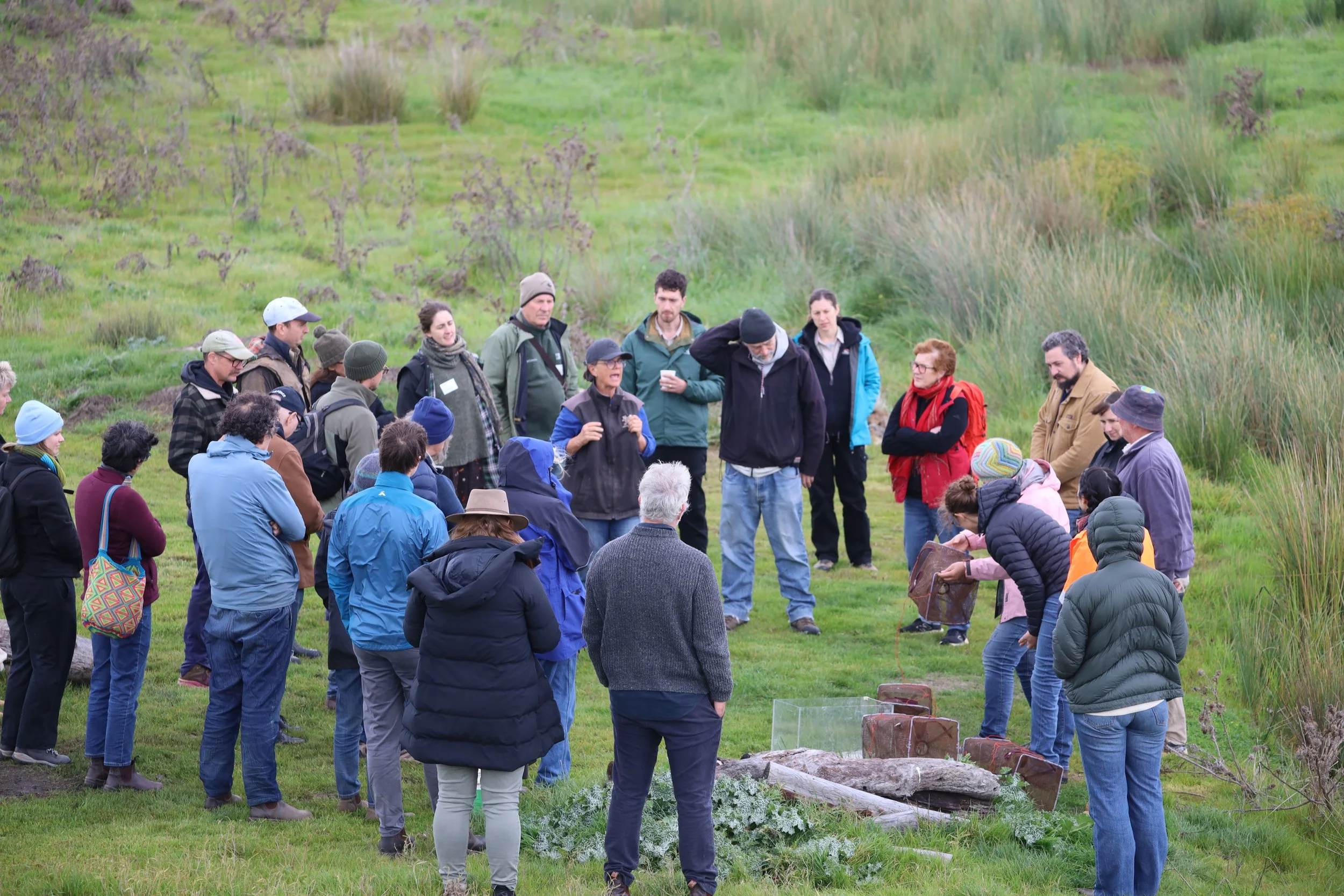
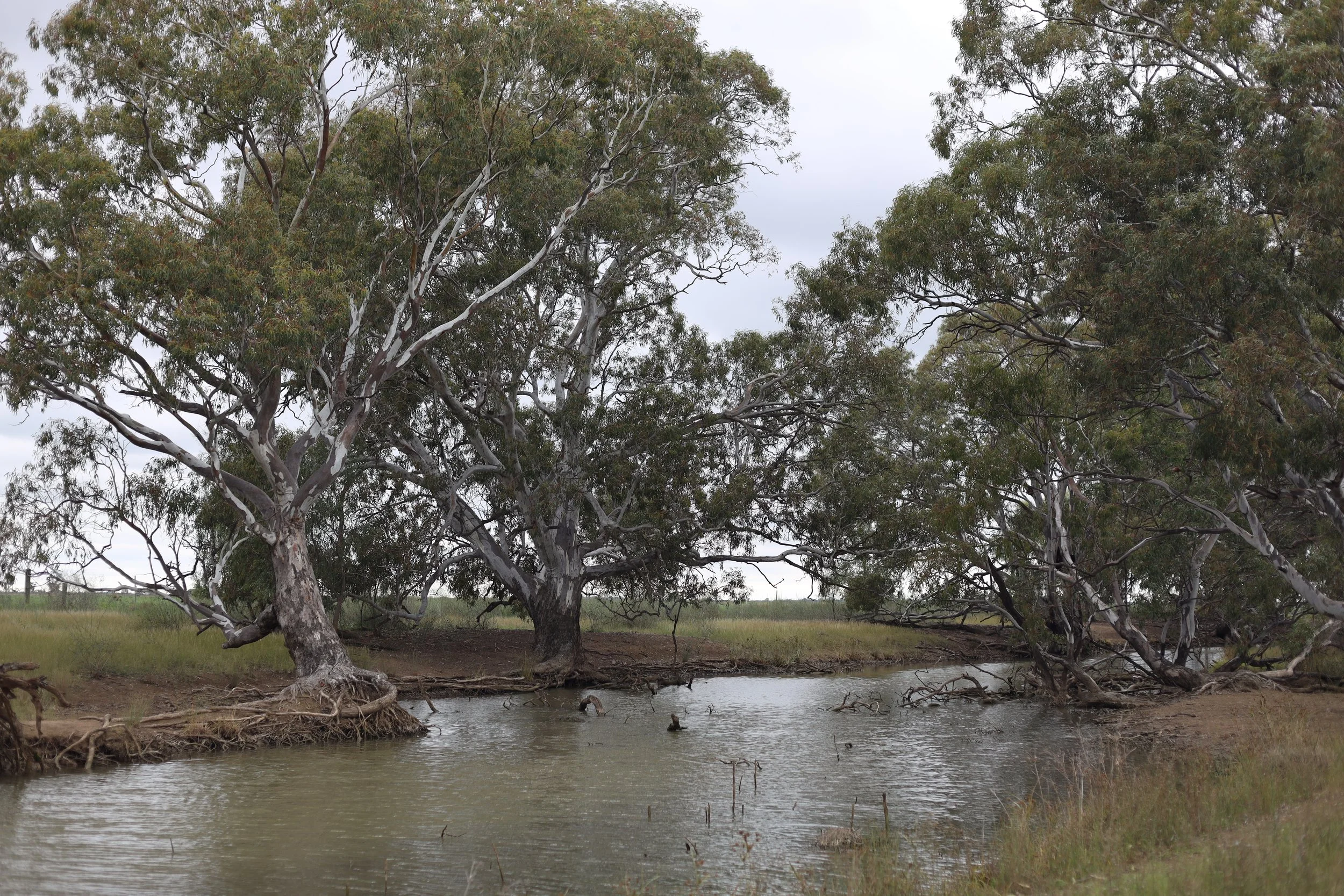
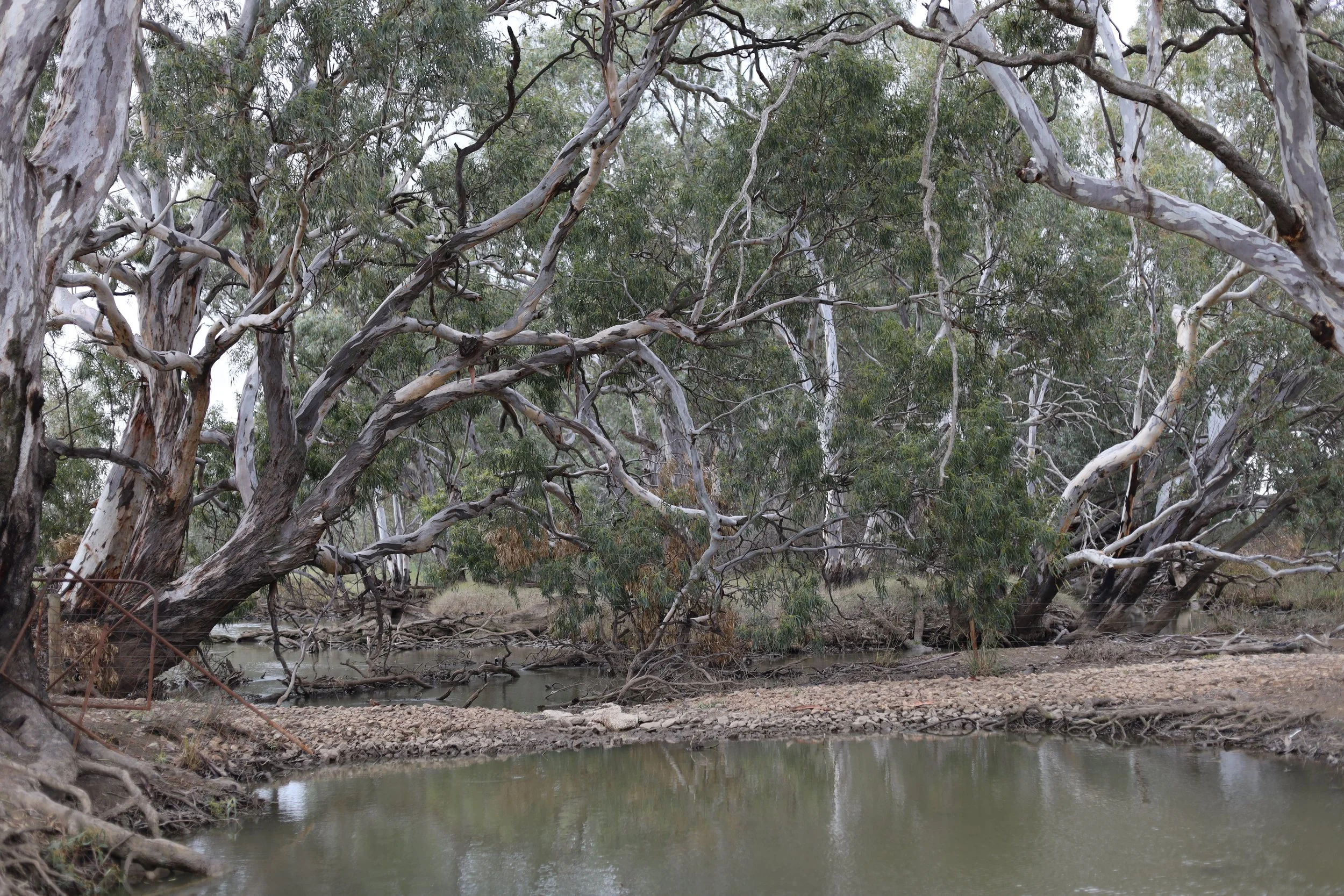
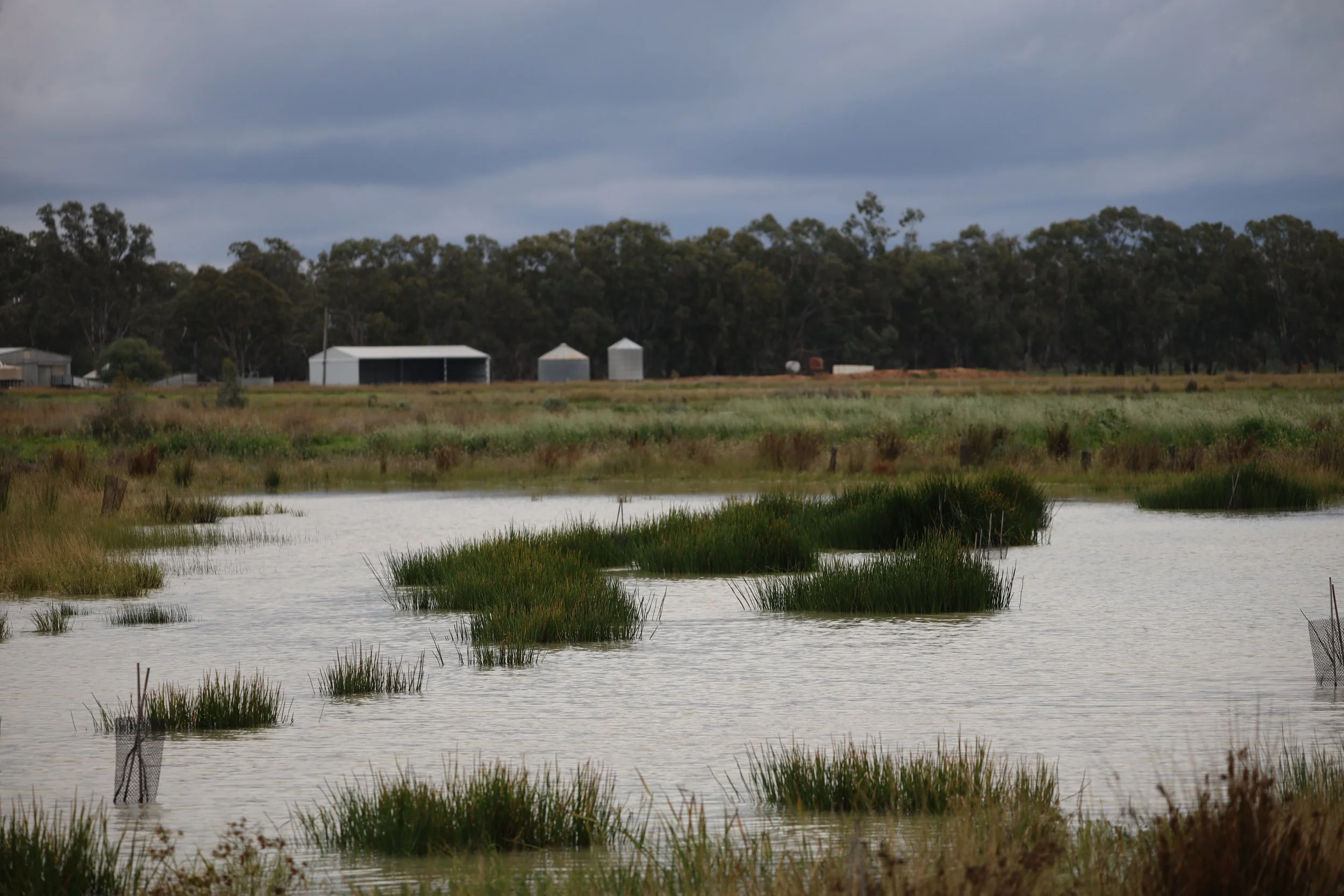
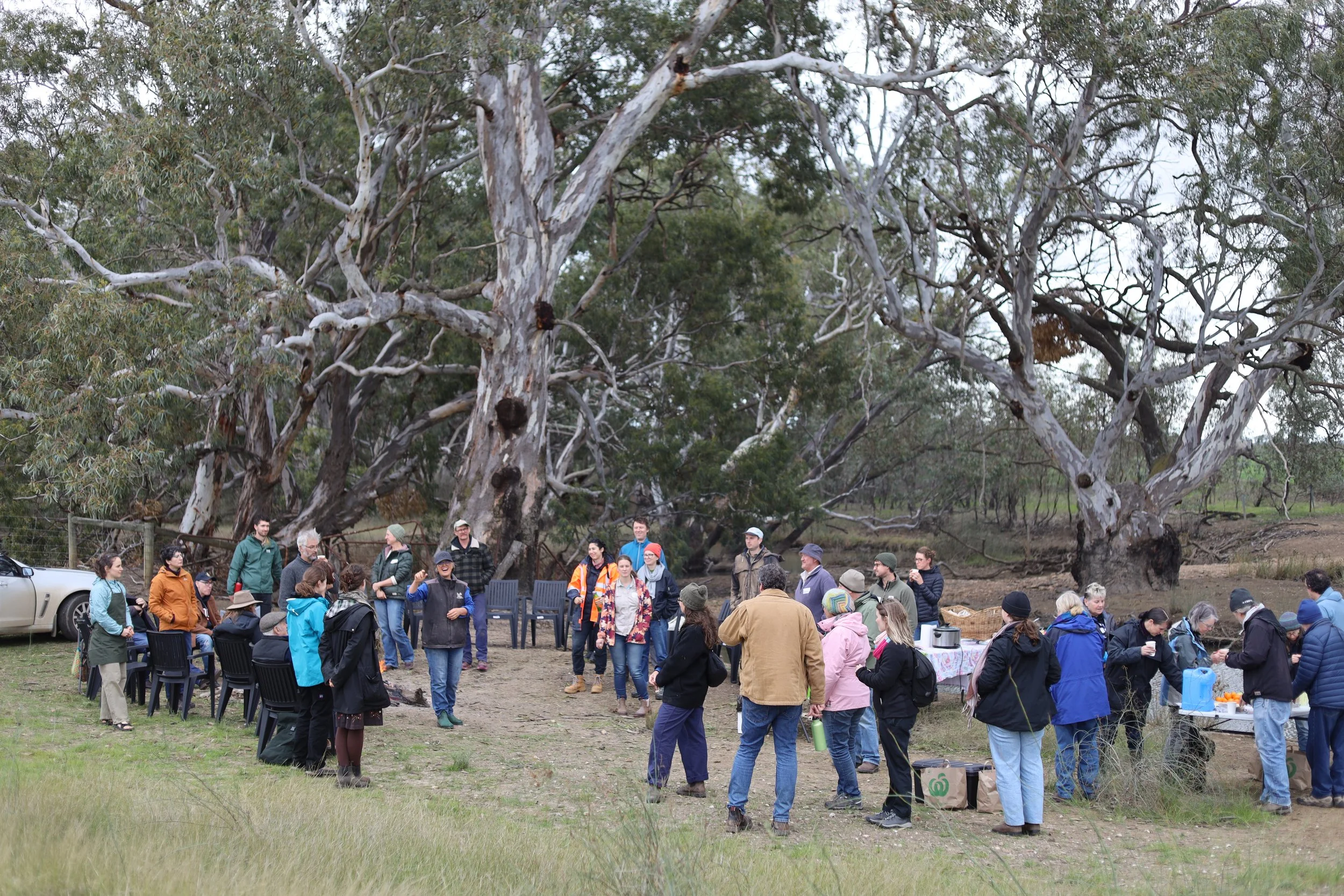
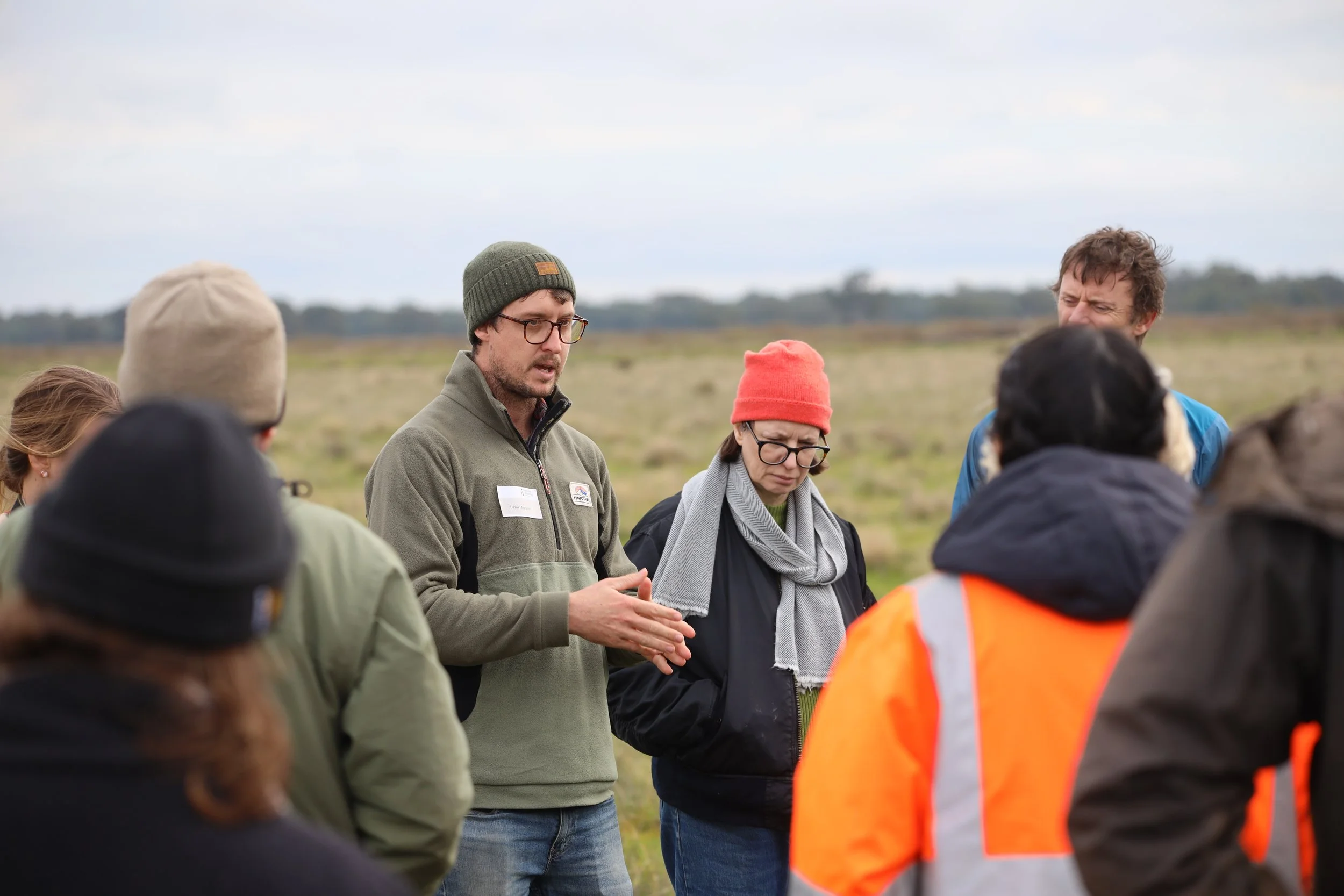
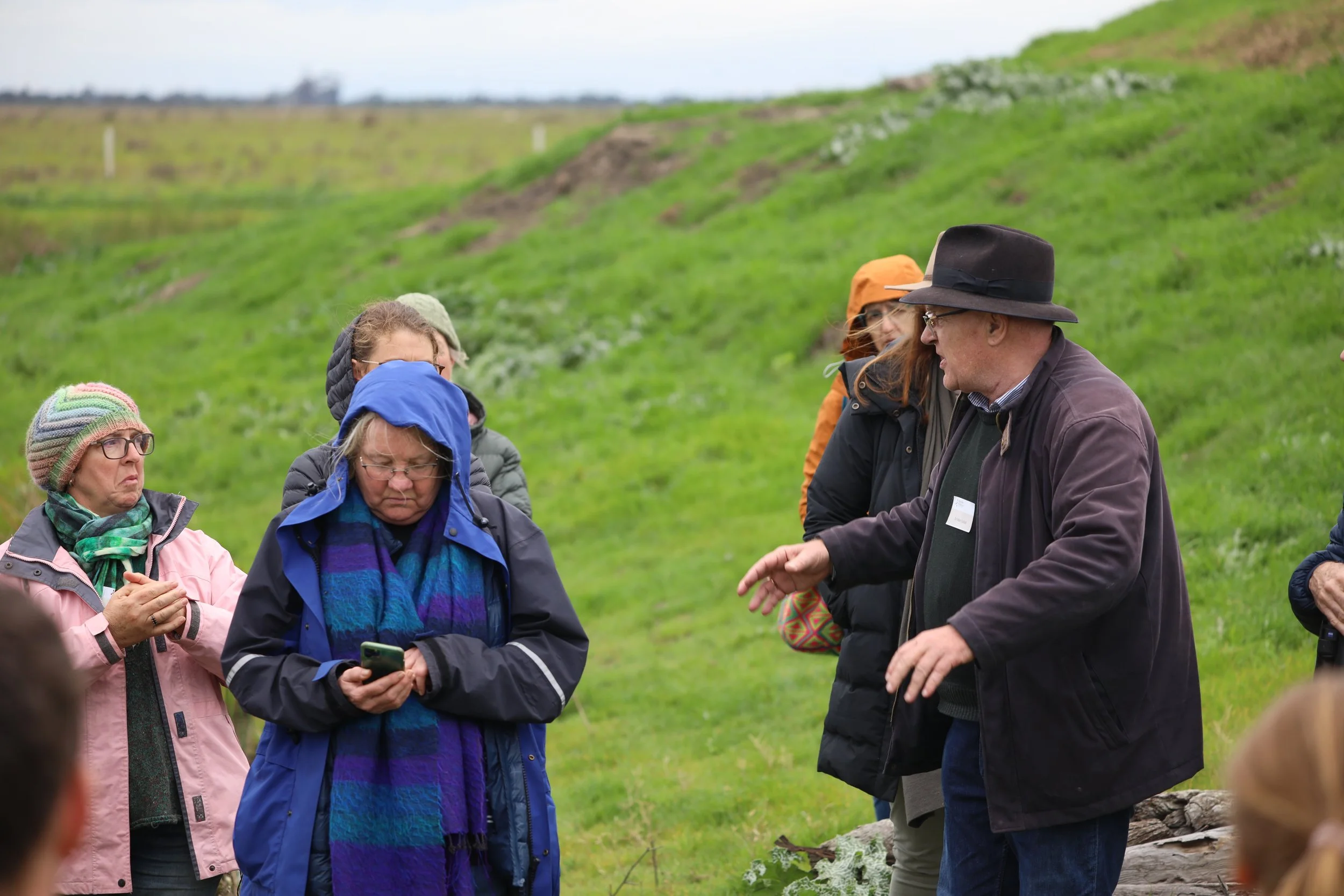
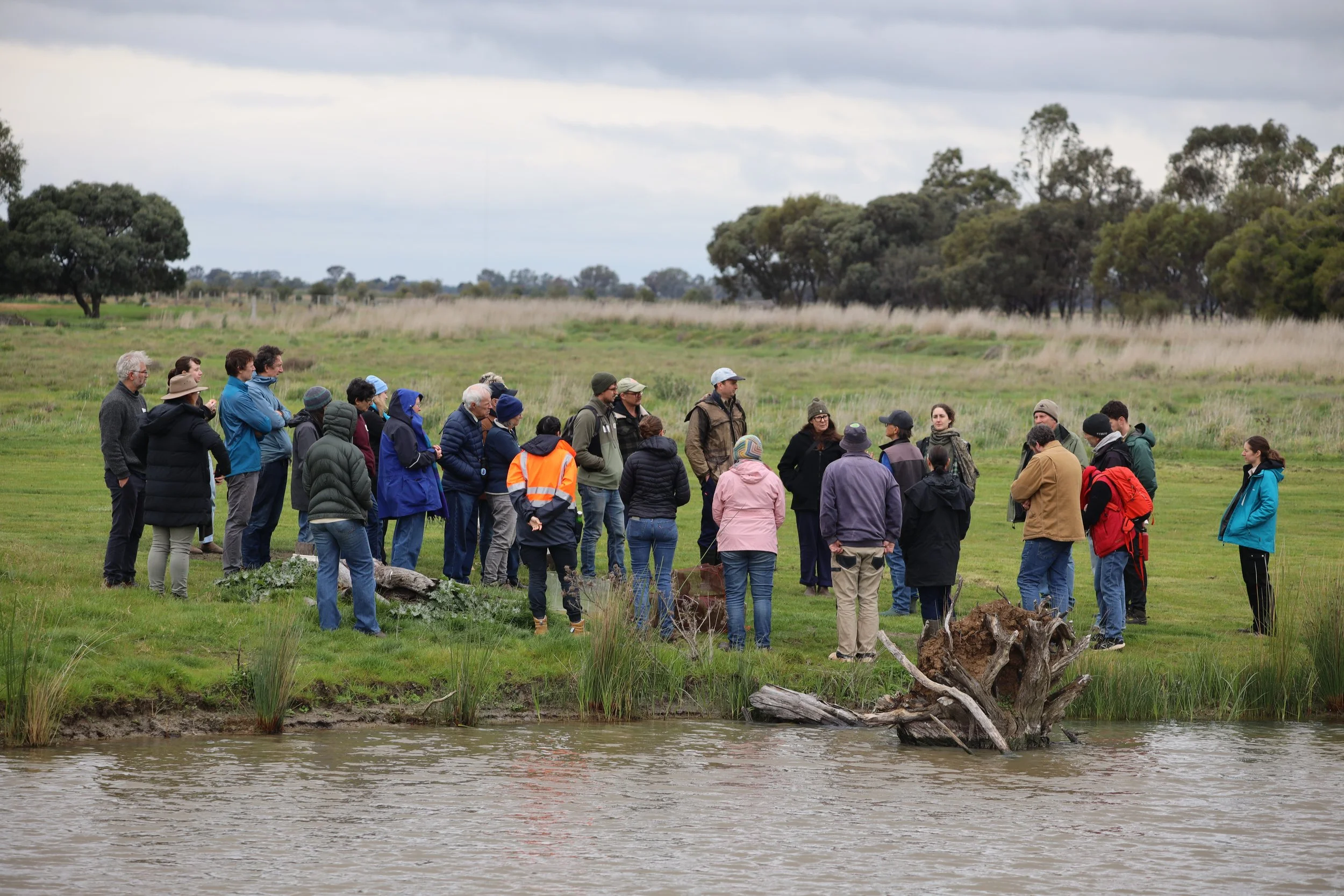
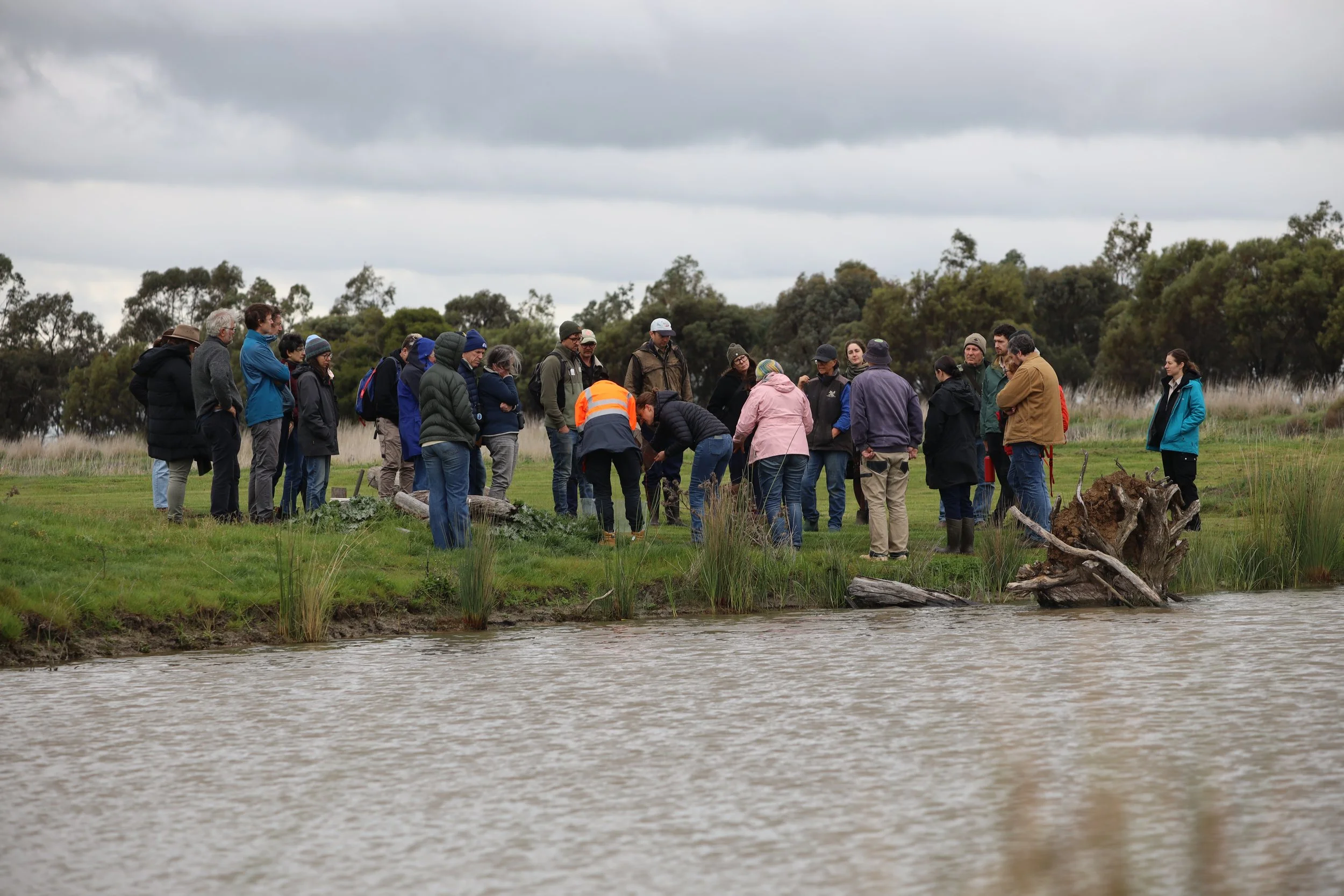
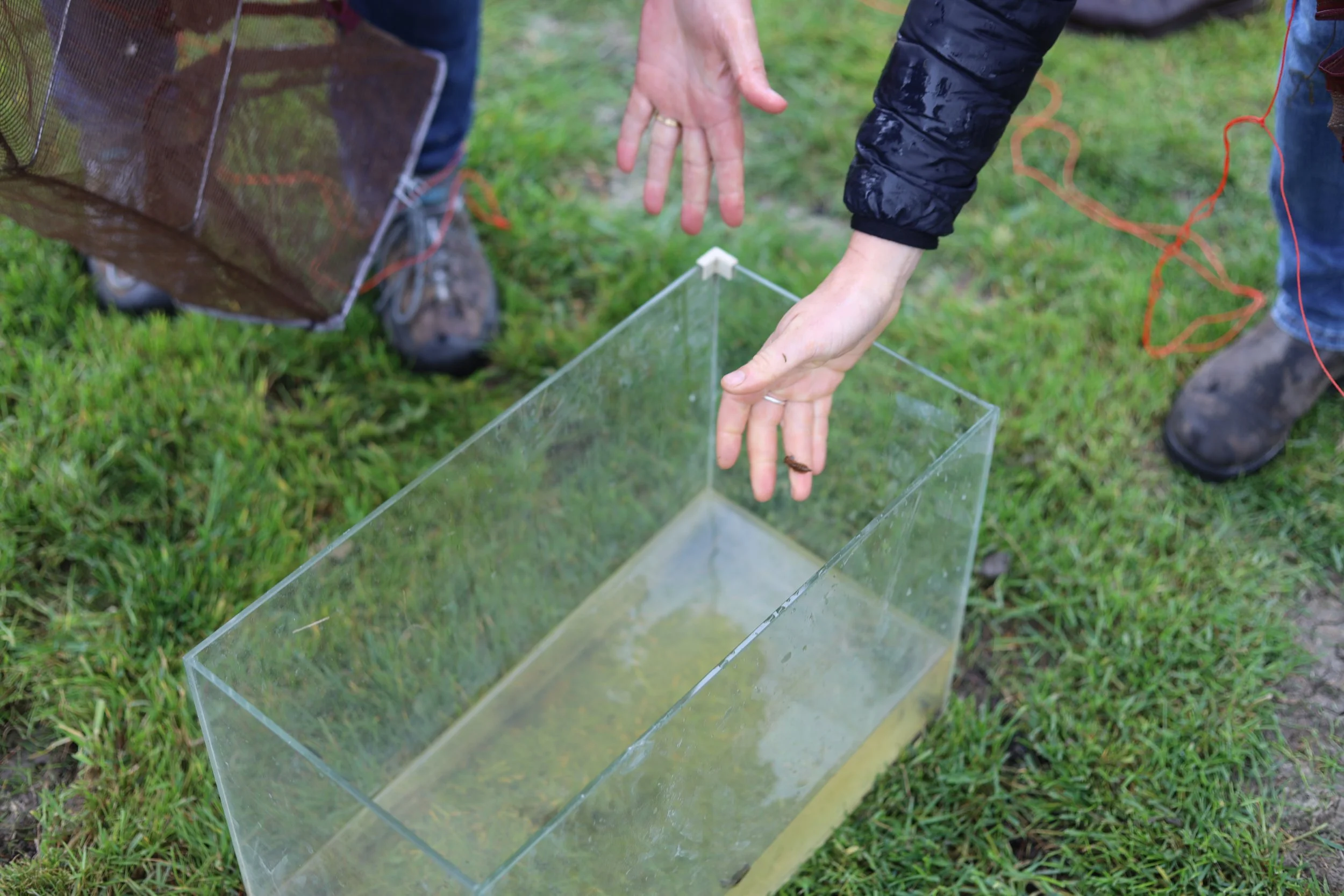
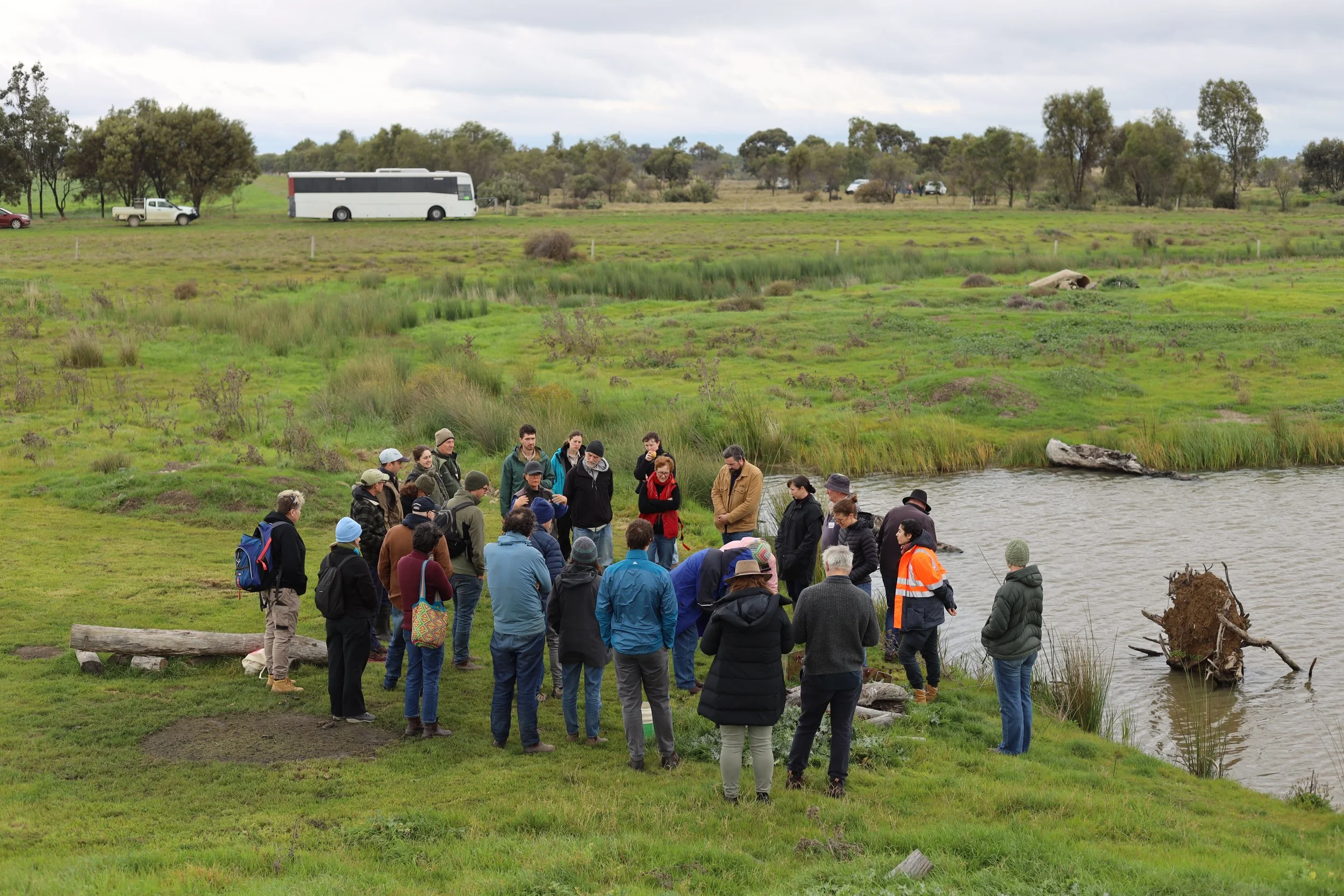
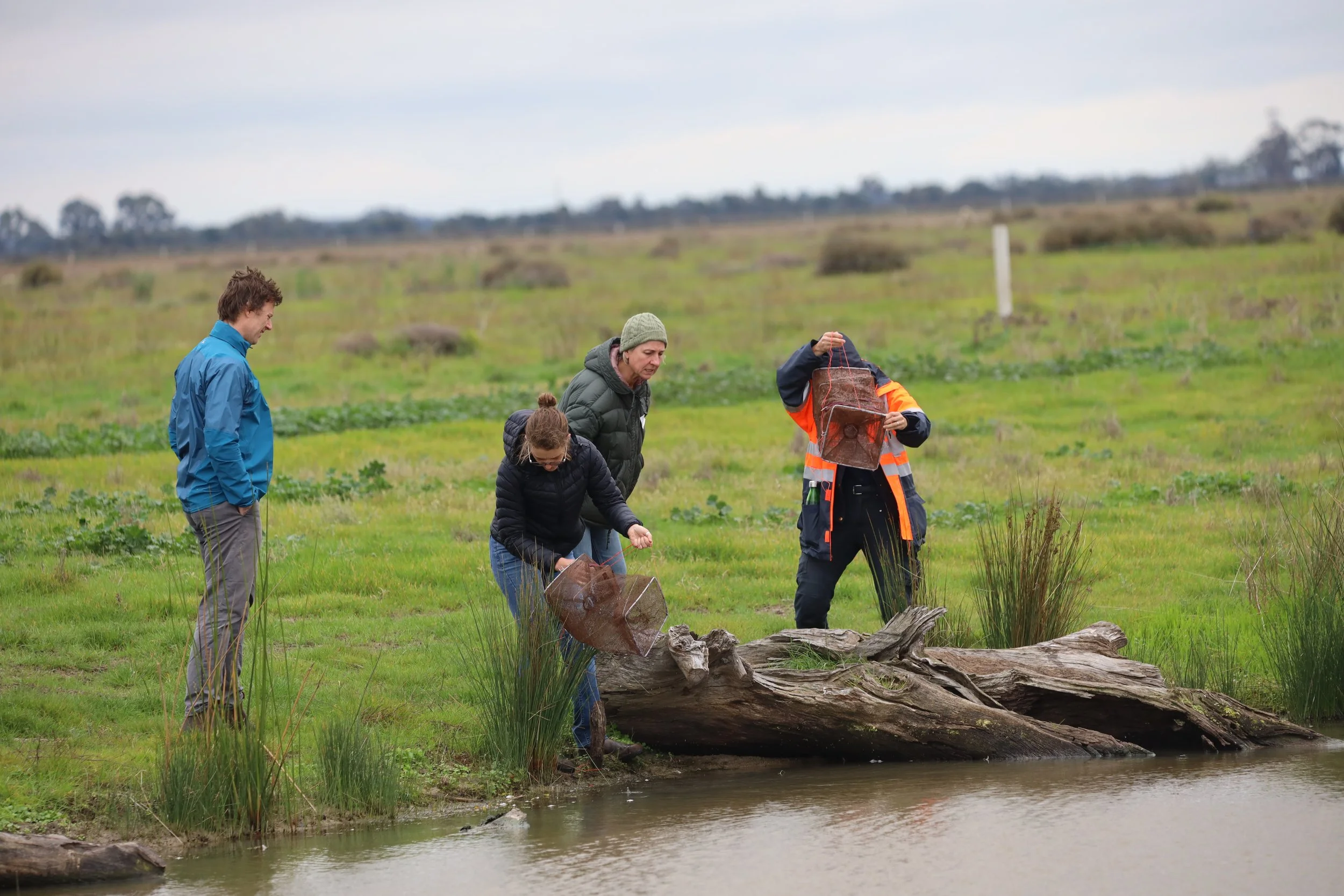
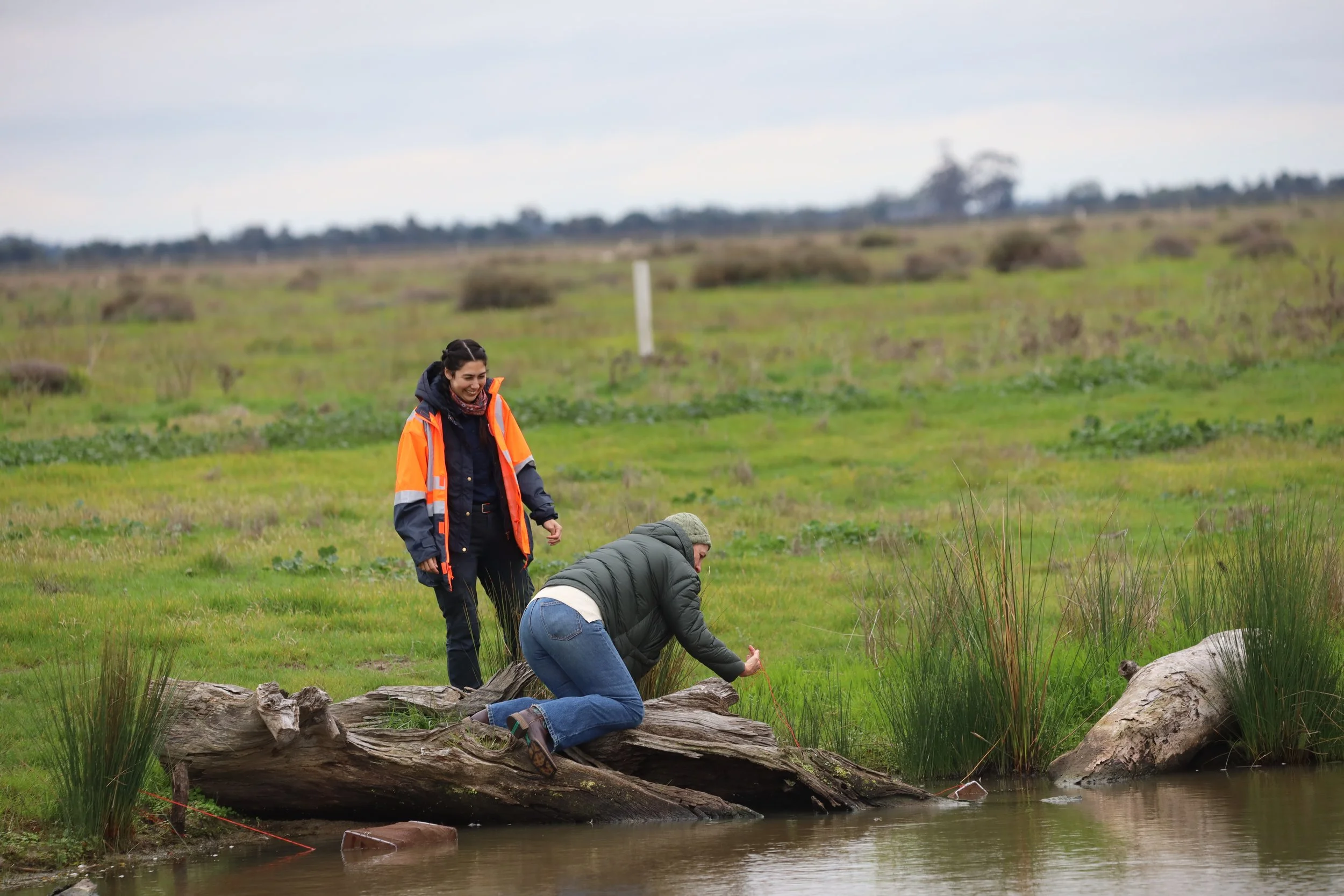
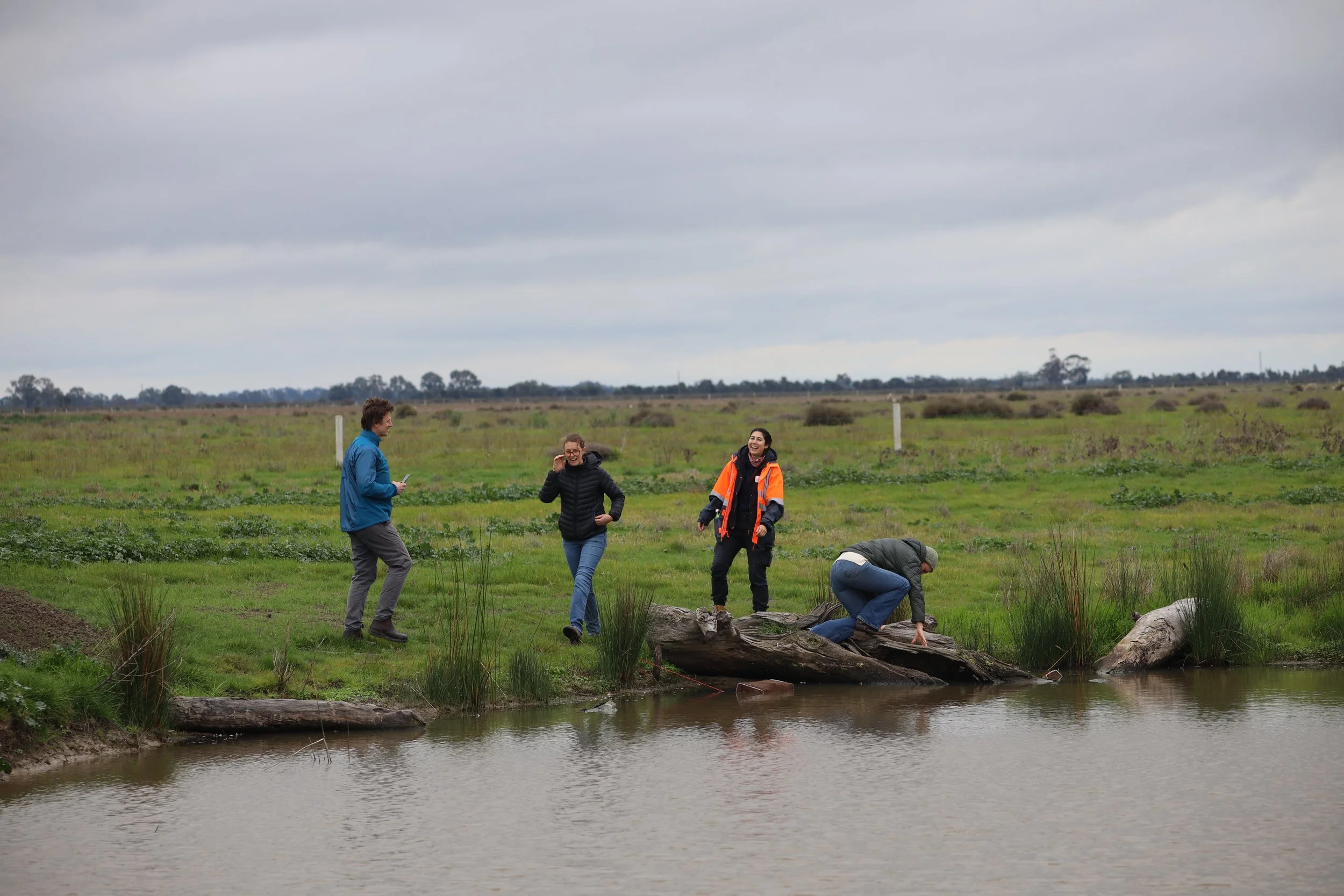
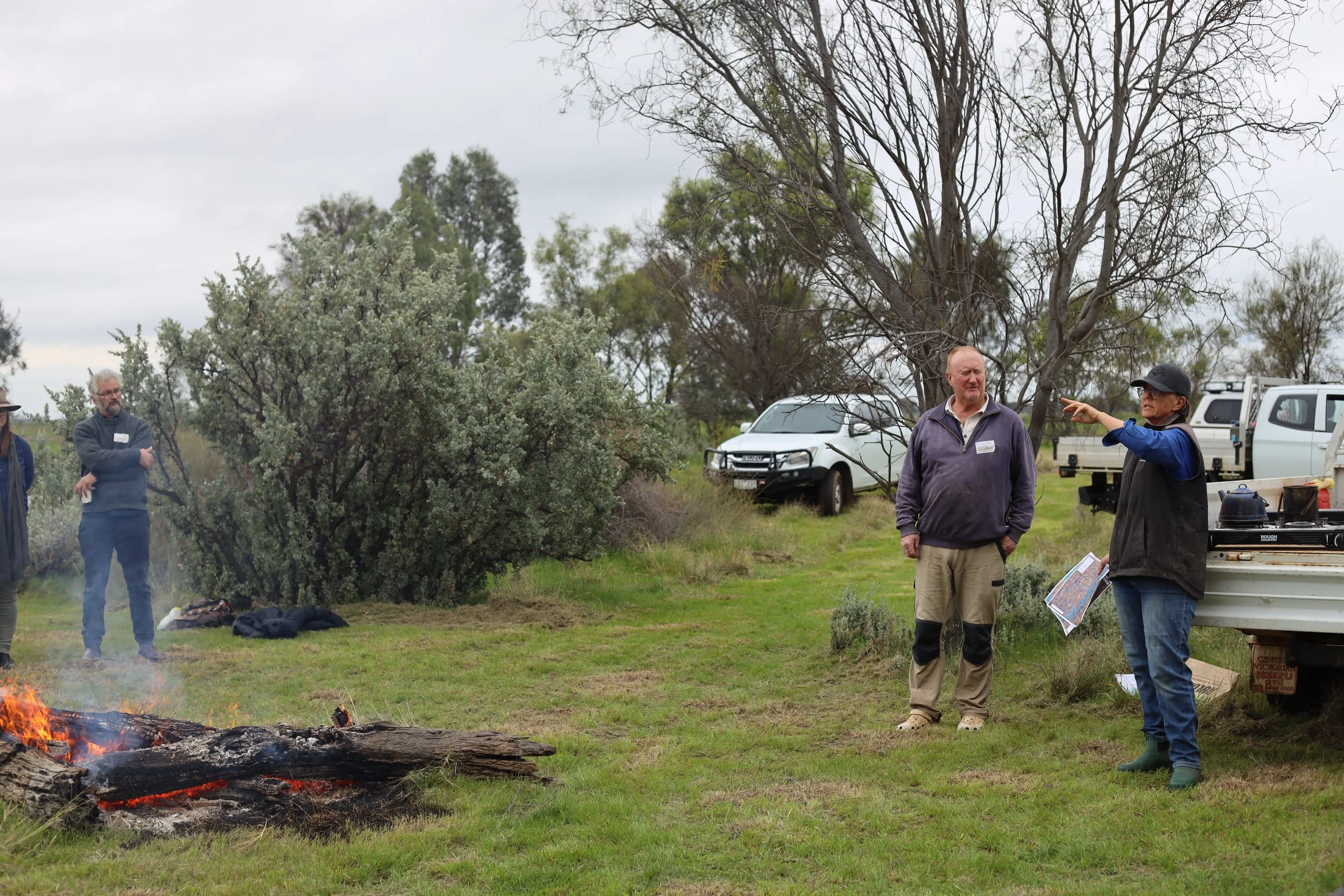
The second day of our Symposium offered the opportunity for a personalised tour of Bear and Twigg farm, including a fabulous campfire lunch beside a stunning river and restored wetland. Bear and Twigg presented an inspiring vision of the benefits to both farm and farmer that come from an approach that prioritises nature alongside production on the farm.
Bear and Twigg Farm
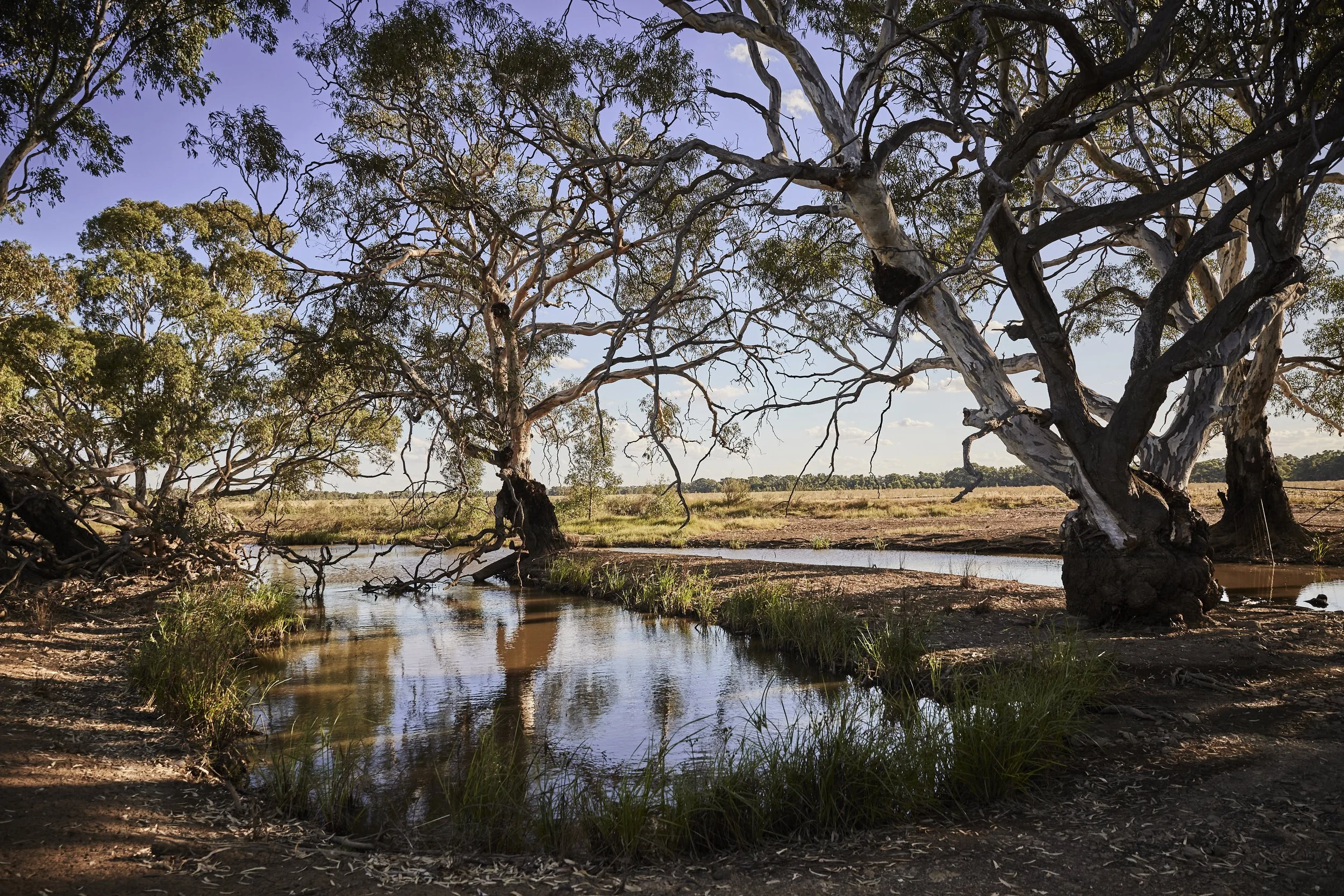
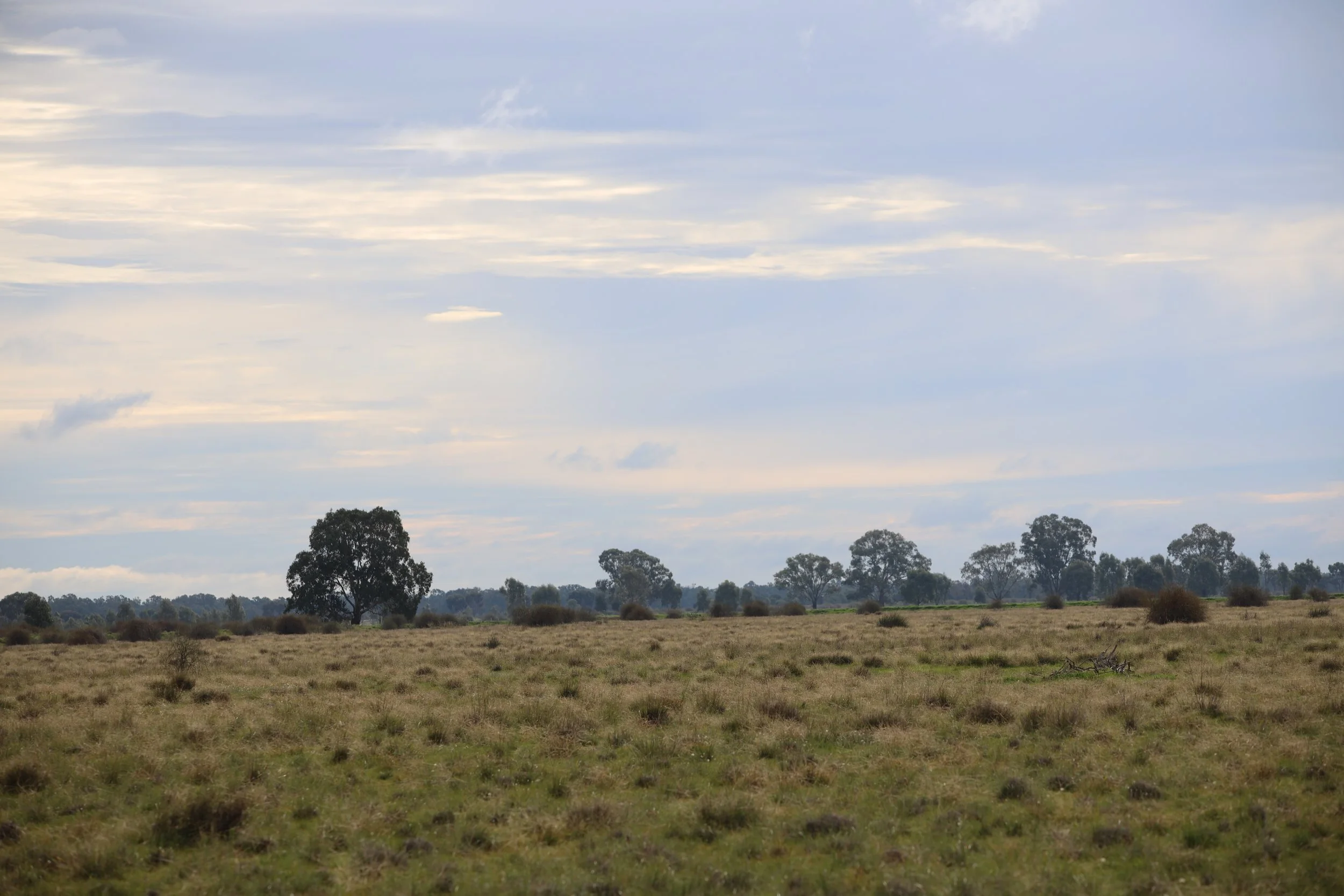
Located on the lower Loddon River floodplains at Canary Island, on the southern edges of Barapa Barapa Country, our farm is a mosaic of chenopod grasslands, lignum swamps, river red gum waterways and former black box woodland.
Since the Millennium Drought and completing a Holistic Grazing Management course, we have experienced the power and abundance of working with nature—both the landscape and the sheep that graze it. Our low-input farming approach, combined with a passion for collaboration, has created a wide range of opportunities, from speaking at Climate Week in New York to grazing for Parks Victoria and filming a documentary with Australian Wool Innovation.
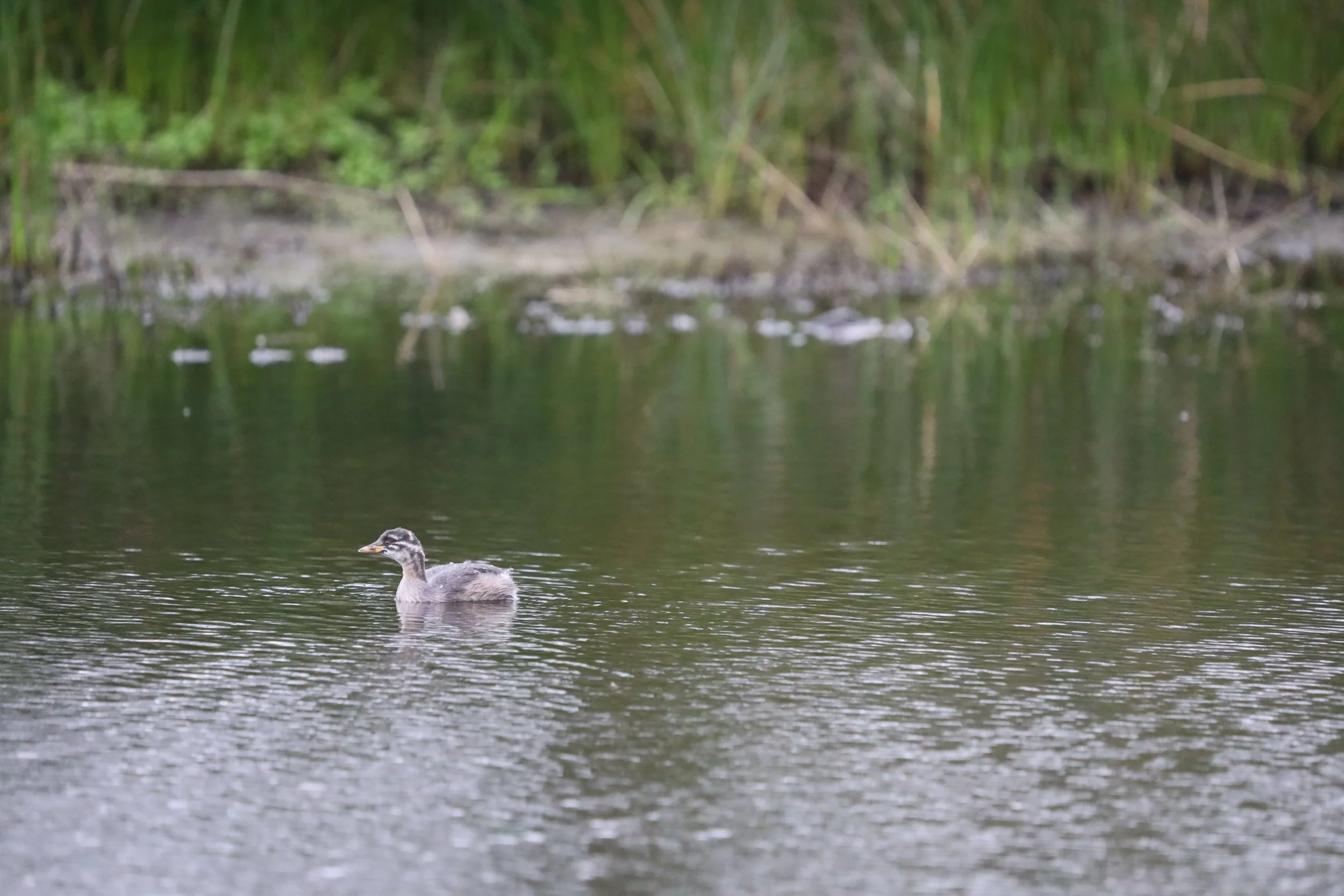
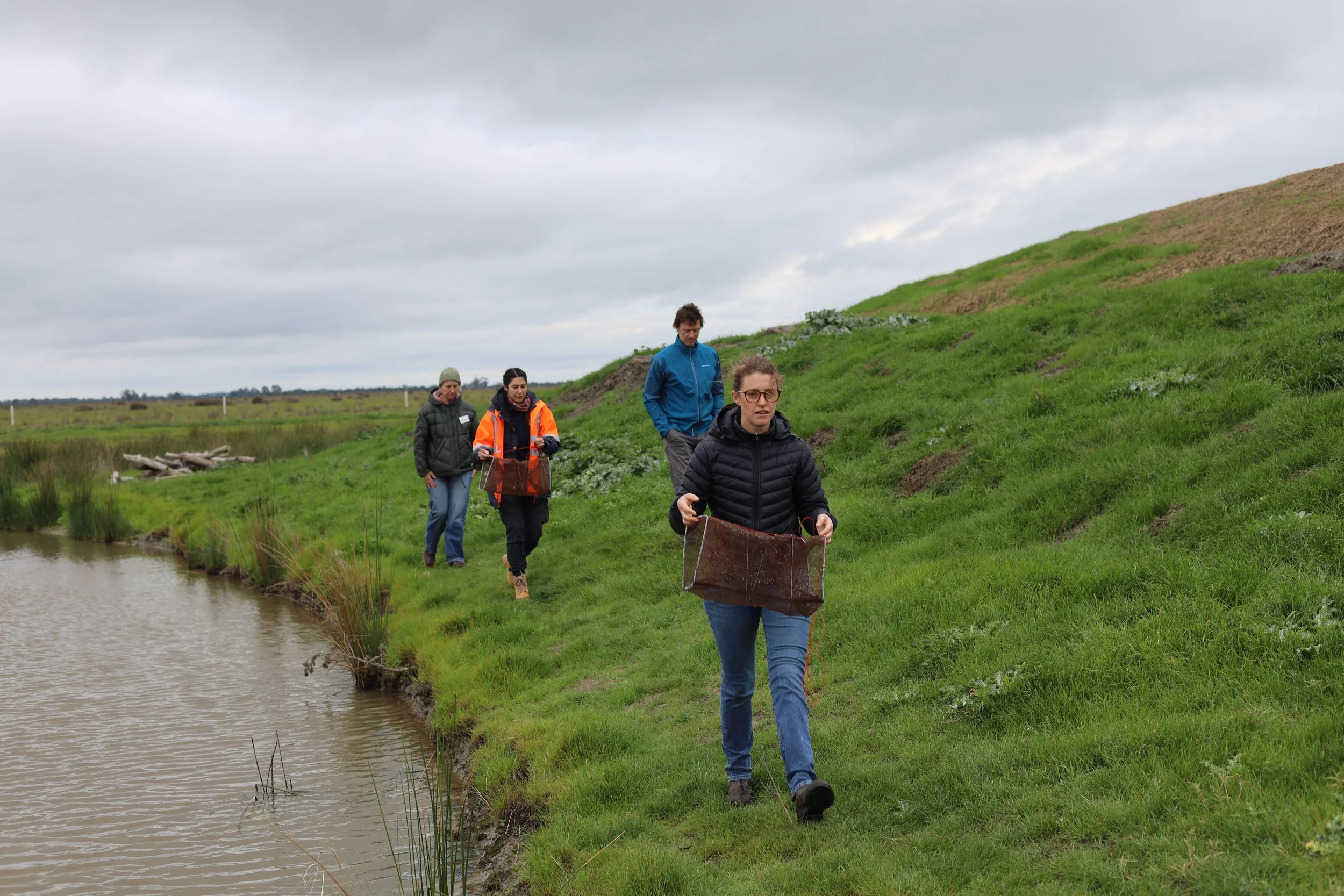
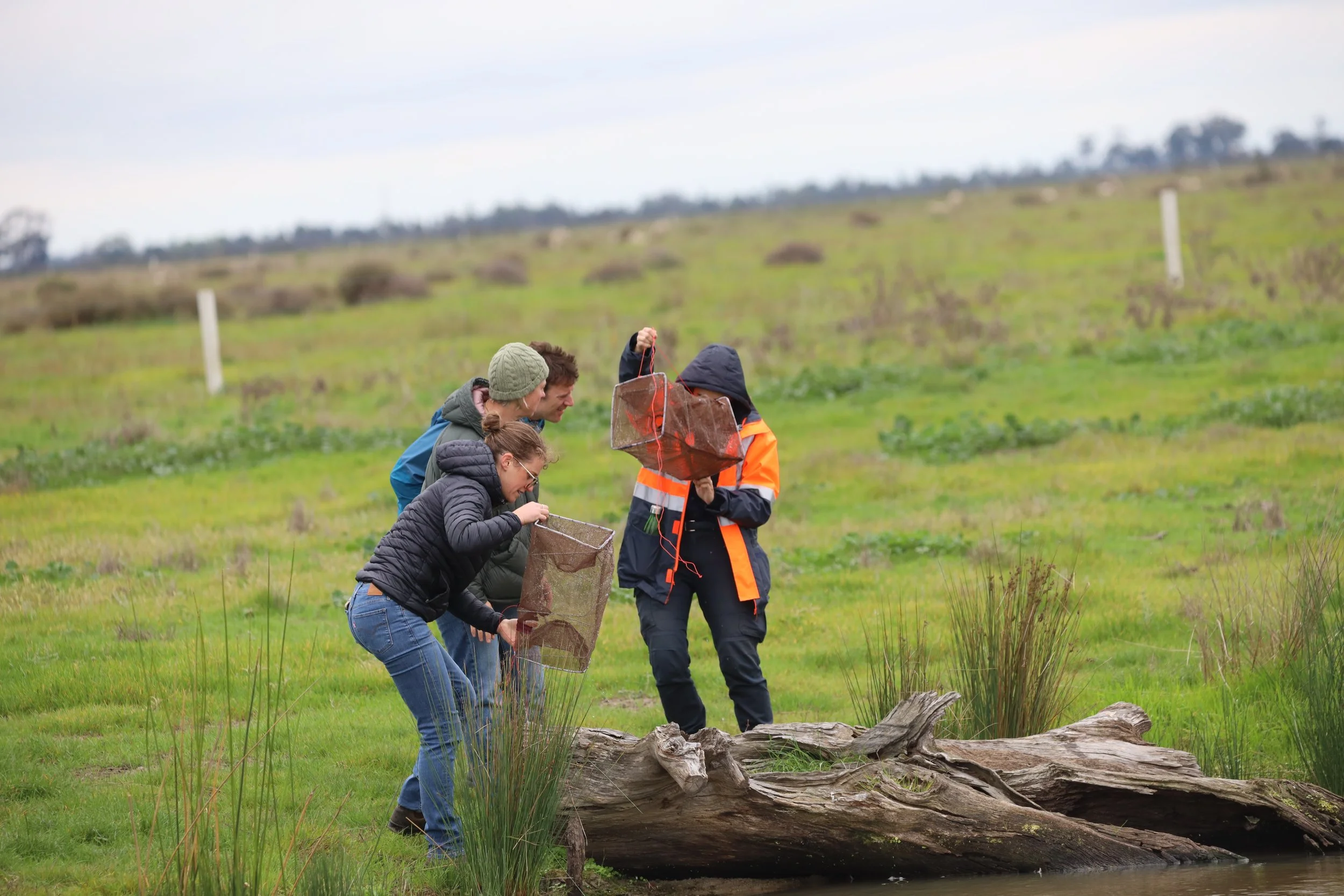
Highlights from the Bear and Twigg Farm tour
This program is supported by Biolinks Alliance, through funding from the Australian Government’s Future Drought Fund.