
Nature on Farms
Nature on Farms is a new project helping farmers and communities harness nature to build resilience to drought and climate change.
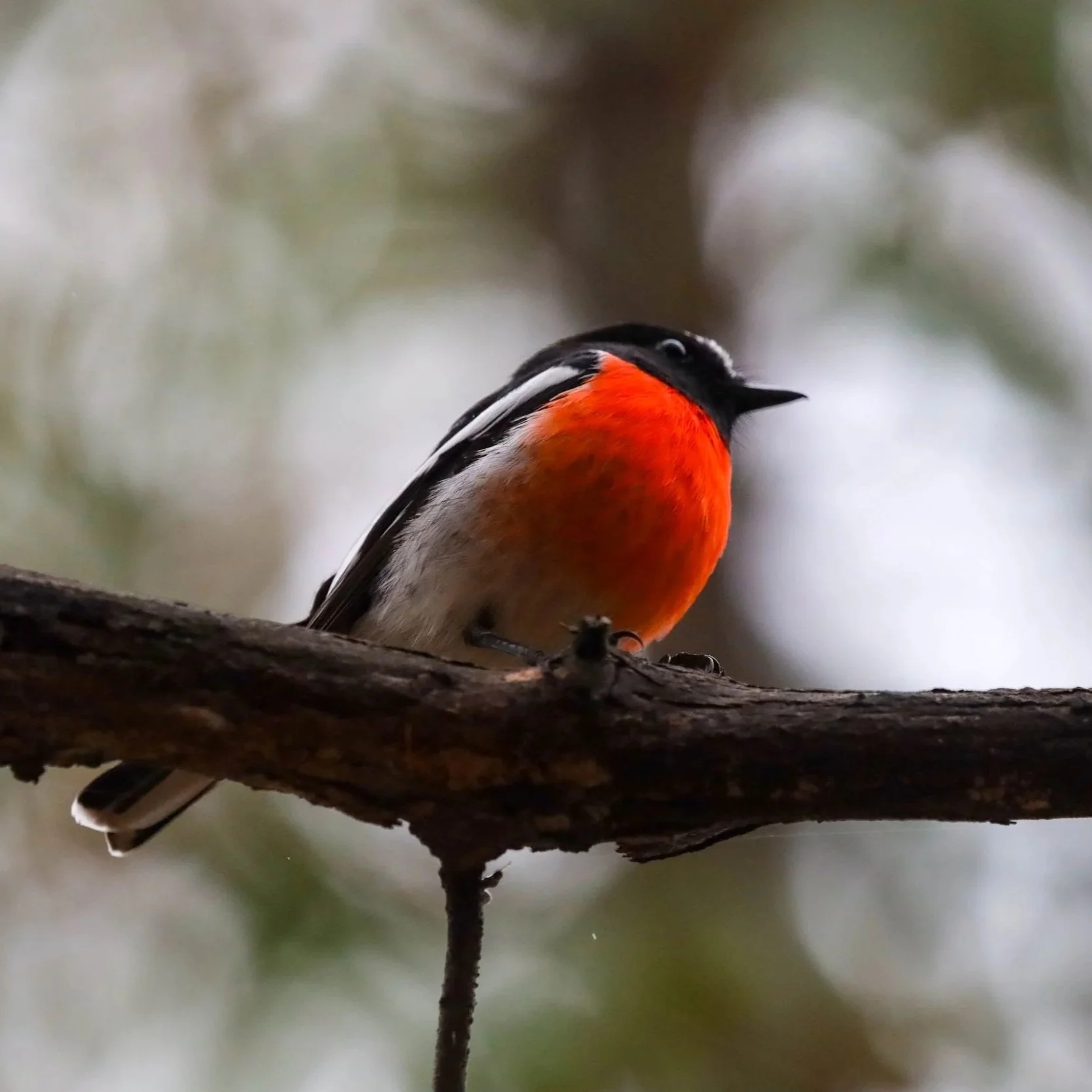
Natural features on farms such as native vegetation, large old trees, grasslands, shelterbelts and dams are not just good for wildlife; they also help keep soils healthy, retain water and support farm productivity. By enhancing ecosystem function on their land, farmers can minimise the risks and losses associated with climatic extremes like drought, flood, storms, changed rainfall patterns and severe weather.
On Taungurung, Dja Dja Wurrung and Barengi Gadjin Country, Nature on Farms brings together farmers, Traditional Owners, community groups, government and industry to share ideas, learn from each other and put practical nature-based adaptation solutions into action.
Through establishing demonstration farms, holding field days and workshops and climate scenario planning, the project is creating opportunities for people to see what works, build knowlege and skills and strengthen connections. In doing so, this project is supporting farming communities to be resilient while also to play a key role in conserving Central Victoria’s unique biodiversity.
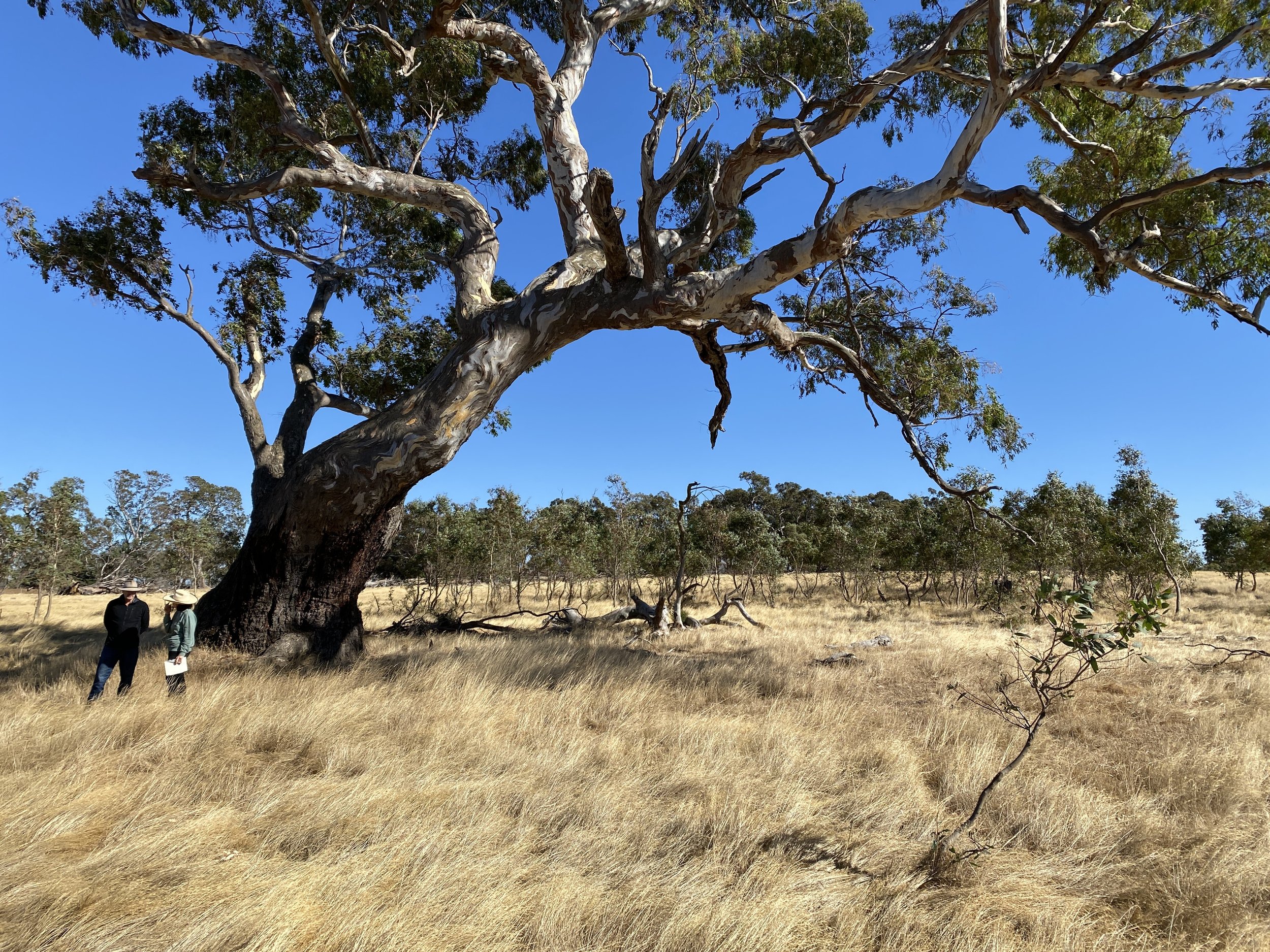
Protecting large old trees on farms is one way to help promote biodiversity. The presence of birds and pollinators that rely on these trees for habitat can enhance farm productivity and promote resilience.
Working across two key Victorian regions
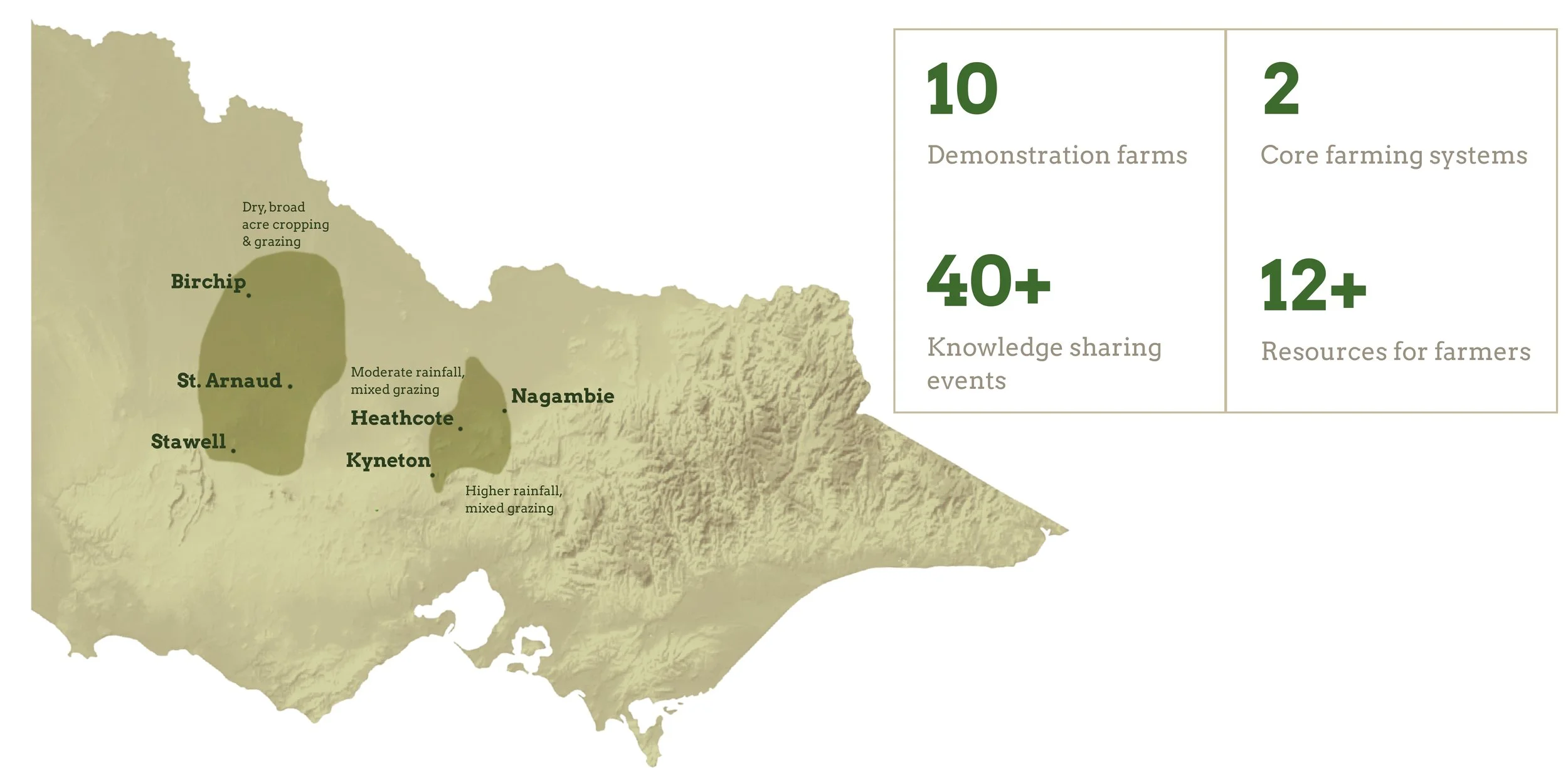
Funded by the Federal Government’s Future Drought Fund Resilient Landscapes program, Nature on Farms will run over five years, focusing on two different farming regions:
Grazing systems in southern Central Victoria between Kyneton and Seymour
Broadacre cropping-grazing systems in north-west Central Victoria between Birchip and Stawell
The project is centred on establishing ten demonstration farms where a suite of tailored interventions will be designed collaboratively with farmers. Interventions will focus on adaptive practices around grazing management, shade and shelter, dam enhancement, and water flow, as well as protecting remnant vegetation.
These sites will act as living models showcasing working farms at various stages of adopting ecological-integrated farming practices and enhancing on-farm natural assets.
“To us, resilience means our kids will have a farm that they will want to work on and which will be financially viable into the future”
Sharing knowledge and building networks
By strengthening networks and supporting shared planning, the project helps communities better understand climate risks and identify locally relevant solutions. Farmers will also be supported to access emerging carbon and biodiversity markets, opening up new opportunities to invest in sustainable practices.
Nature on Farms Symposium
The 2026 Nature on Farms Symposium is a key event in this program for sharing knowledge and building the capacity of farmers and farming contractors, consultants and local groups. The 2029 Natural Capital on Farms Symposium will share expertise, grounded in our project work, on building natural capital in farming landscapes.
Demonstration farm tours, field days and workshops
Tours and demonstration field days will share the latest regionally tailored knowledge and practice around natural asset farming, bringing concepts to life. Our demonstration farmers will act as community advocates for a new way of farming, building trust and sharing first-hand experience backed by science.
Program monitoring
Monitoring schedules tracking agricultural and ecological outcomes over the life of the program will upskill farmers and provide an evidence base to demonstrate changes to farm health and productivity metrics.
Online knowledge extension
An online knowledge hub will provide an accessible, user-friendly resource library for farmers, researchers and community members, enhancing expert knowledge and enabling wider adoption throughout the region.

Taungurung country near Tooborac - typical of the grazing farmland in one of the landscapes the Nature on Farms project will be focusing on.
Healthy farms and healthy ecosystems
Sharing new approaches and building capability and confidence amongst the farming community, we can climate-adapt our landscapes in ways that boost productivity, strengthen climate resilience and protect biodiversity at scale.
Contact us
If you are interested to hear more about our Nature on Farms program, please contact info@biolinksalliance.org.au
This program received funding from the Australian Government’s Future Drought Fund.