
Box-Ironbark Forest Restoration - Spring Plains Watershed Repair Project
Biolinks Alliance’s novel 138 hectare large-landscape repair pilot project in Spring Plains Nature Conservation Reserve (NCR) near Heathcote is the first of its kind in Victoria.
The Spring Plains Watershed Repair pilot project, on Taungurung Country, aims to restore the health of a gully in Box-Ironbark Forest using a combination of innovative ecological repair techniques.
As a pilot project within the Heathcote Local to Landscape plan, it forms part of a larger, long-term strategy for ecological restoration of the region.
Spring Plains NCR is an important migratory stopover for critically endangered Swift Parrots. This pilot aims to bring more regular and abundant flowering to the trees that Swift Parrots and many other species rely on for food. That shortens the distance Swift Parrots have to fly to feed, conserving their energy and improving their chance of returning safely to their breeding grounds in Tasmania.
This project paves the way for a new approach to building climate resilience and restoring biodiversity in Goldfields landscapes at increased scale and speed. Biolinks Alliance will share and help to adapt this approach for use in other landscapes across the region.

Swift Parrots. Image credit: Brendan Sydes, Biolinks Alliance Board Chair
What happened to the Box-Ironbark forests?
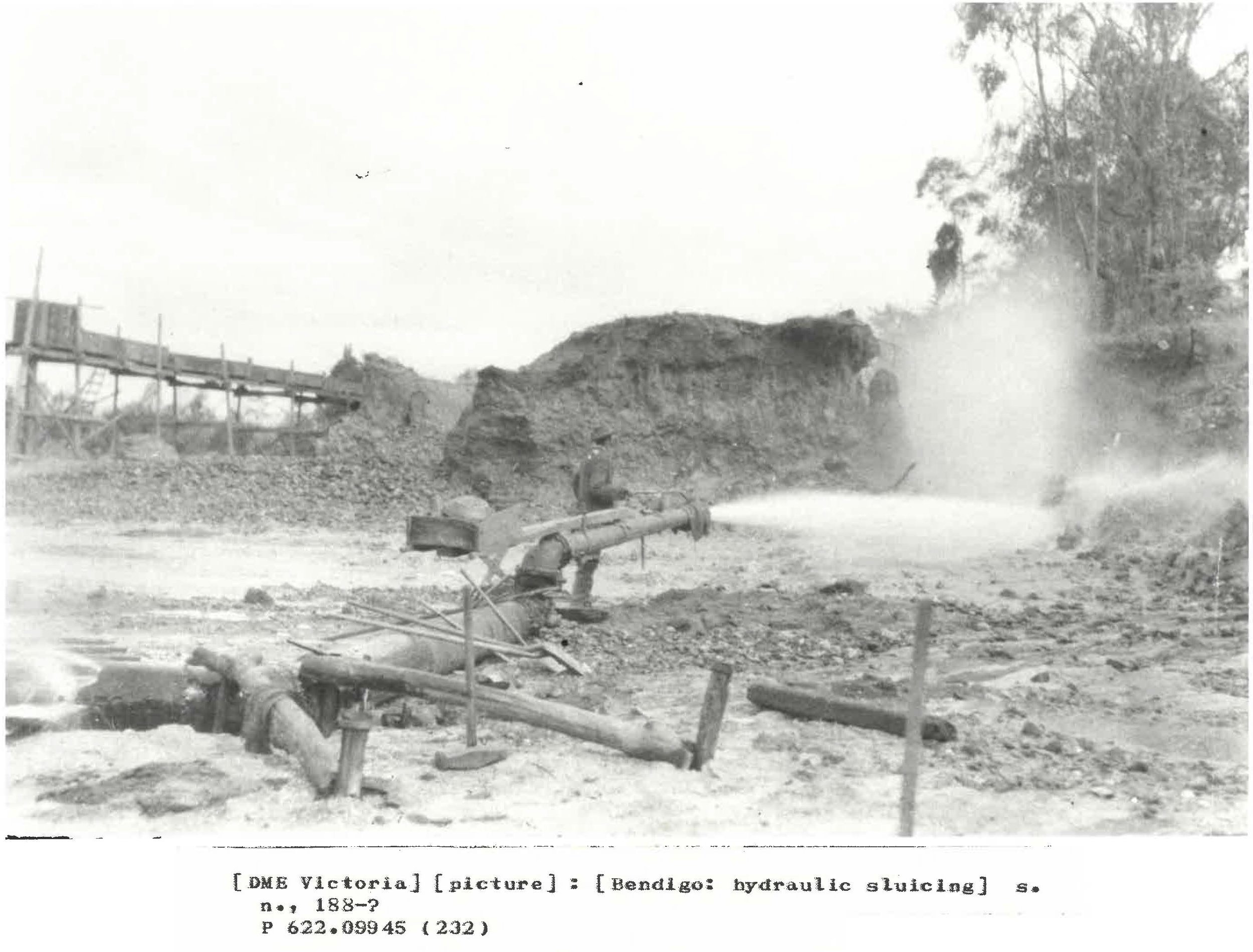
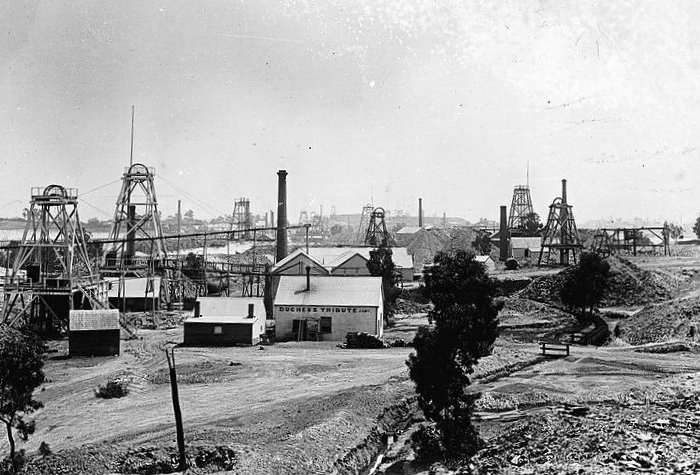
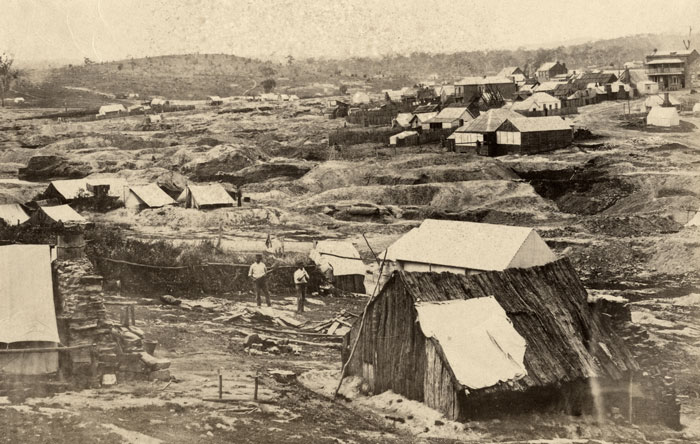
When gold was found in Central Victoria in the 1850s, the Box-Ironbark forests were cut to supply the goldfields. Their timber went into mine props, boiler fuel, firewood, railway sleepers and fence posts. Between 1896 and 1900, an average of 50,000 sleepers a year were cut from the Rushworth, Heathcote and Goulburn forests alone. Cutting continued well into the twentieth century, and many areas were cut over several times.
Before the gold rush, these forests were made up of big, old, widely spaced trees with younger trees of every age between them. Eucalypts resprout from their stumps when cut, and the forest regrew as dense stands of young, often multi-stemmed trees of roughly the same age. Large old trees are now rare.
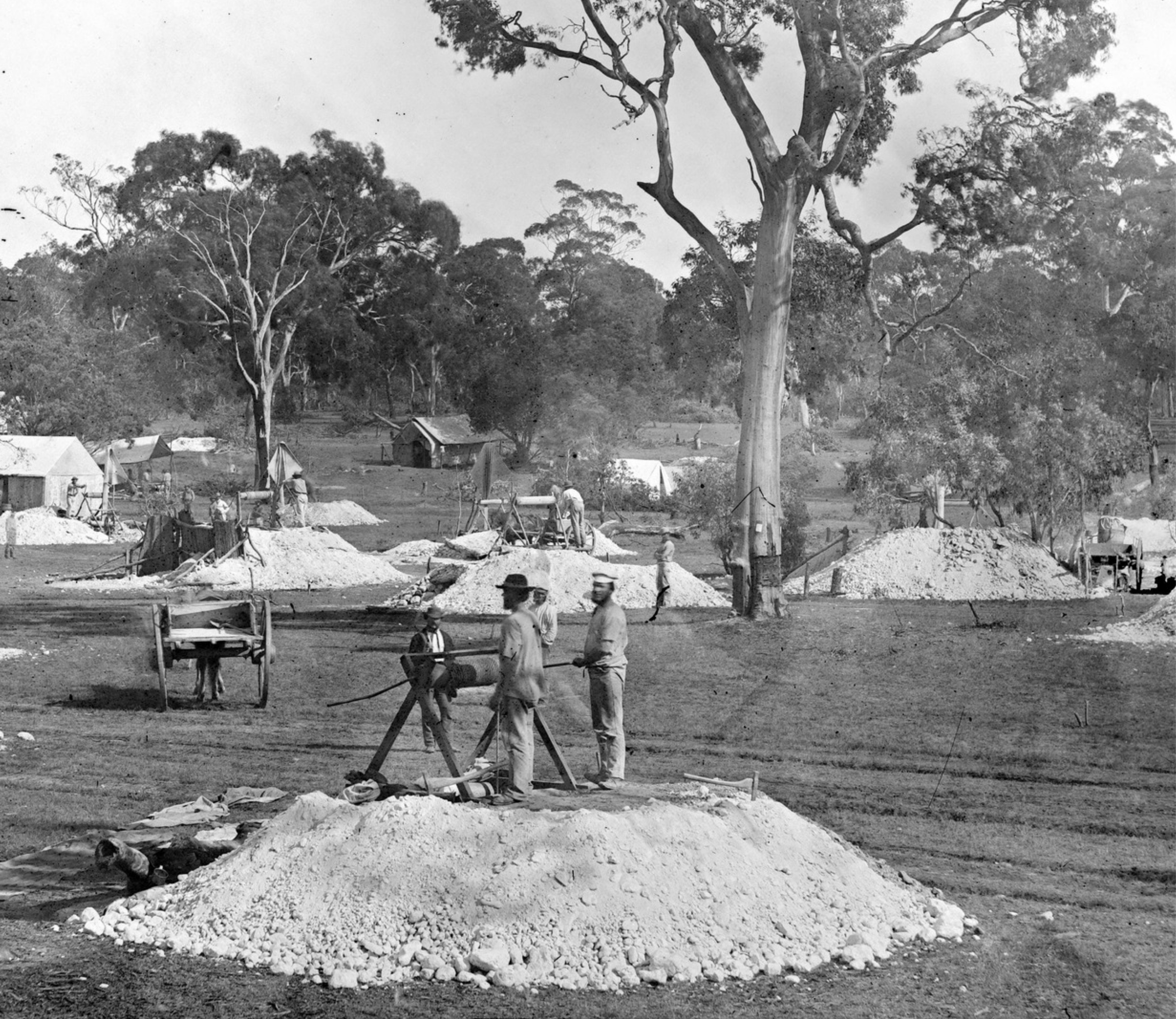
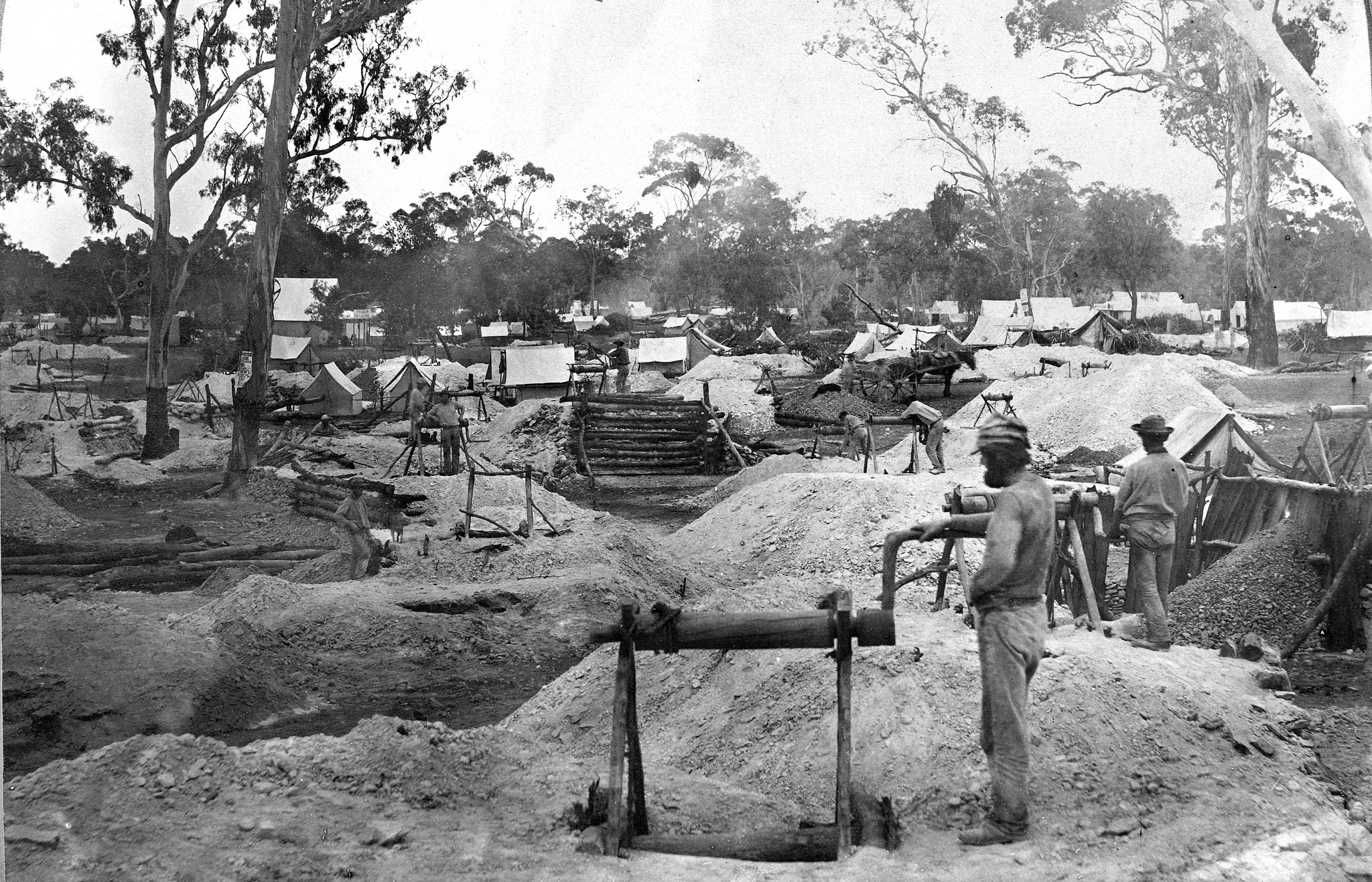
Large old trees produce far more flowers and nectar than young trees, and only they are old enough to form the hollows that phascogales, gliders, owls and parrots need to shelter and breed. Hollows take well over a century to develop. In dense regrowth, young stems compete for the same limited water, grow slowly, and few ever reach that size.
Mining and grazing also churned up and compacted the soil, so rain that should soak in now runs off and out of the forest. With less water in the ground, trees flower less often and the understorey thins out. Grazing prevents seedlings and ground plants from recovering, and some of the plants and animals that once lived here have disappeared.

Innovative suite of ecological repair techniques
After three years of planning, approvals, philanthropic funding and consultation with government, Traditional Owners, the private sector and the community, Biolinks Alliance completed on-ground works in Peter's Gully between June and September 2023. The works combine techniques that address soil, water, forest structure, grazing and missing species together.
Rehydrating the landscape
• Contour ripping loosens compacted soil along the contour so rain soaks in instead of running off.
• Ponding along the valley bottom slows water in the gully and holds it long enough to soak into the surrounding soil.
As the soil rehydrates, it becomes spongier and supports more of the fungi and microbes that cycle nutrients and feed plants. A moister soil and ground layer should also be less fire prone.
Restoring structure and forest maturity
• Restoration thinning. We selectively felled some of the dense regrowth so the remaining trees have more water and room to grow. The felled trees are left where they fall. On the ground they slow water and hold soil, shelter reptiles, invertebrates and small mammals, and break down to feed the soil.
• Old growth trees sooner. With less competition, the remaining trees can develop large limbs and hollows decades earlier than they otherwise would.
• Nest boxes and artificial hollows give hollow-dependent animals like the brush-tailed phascogale and sugar glider somewhere to live in the meantime.
Rebalancing the ecosystem
• Grazing exclusion zones take the pressure off seedlings, understorey plants and ground cover so they can recover.
• Reintroducing missing species brings back plants and animals that have disappeared from this forest.
• Bringing back pollinators. A recovering, more reliably flowering understorey and canopy feeds native bees, moths and other pollinators.
• Bringing back small mammals and woodland birds. Logs, ground cover, hollows and a more varied forest structure give them shelter, food and places to breed.
“It’s an example of a cutting edge and pragmatic approach to repairing damaged ecosystems and helping them to adapt to climate change.”
Urgency and climate change - repairing Victorian landscapes
Foundational repair - repairing Victorian landscapes
Sharing a new approach to large landscape repair
This project demonstrates restoration methods that help us prepare for climate change and that we can share with other conservation groups and networks. Our aim is to encourage wider uptake of landscape-scale repair across Central Victoria.
Using our own expertise and the scientific learnings from pilots like this one, we are building the ecological literacy, skills and knowledge of Central Victorian communities, landholders and farmers, so high-quality landscape-scale ecological repair can be carried out across our region.
Box-Ironbark forests once covered three million hectares of northern Victoria. Around 83% has been cleared since European settlement, and Victoria is proportionally the most cleared state in Australia. The remaining forests are highly fragmented and support many threatened plant and animal species. We still have time to prevent further extinctions and protect these forests if we act now and work together using approaches based on landscape science.
Progress of the restoration thinning

Footage of brush tailed phascogale in Spring Plains Nature Conservation Reserve obtained as part of the Volunteer Innovation Fund
Citizen Science
We have a thriving Citizen Science program running to monitor the ecological indicators that will help us determine the success of our efforts.
We hold monitoring of nestboxes, reptiles, kangaroos, small mammals (spotlighting), bird life, bats, pollinators, nocturnal invertebrates and more.
If you would like to become a citizen scientist or just to deepen your understanding of these forests then please get in touch or follow the link below.

Start your own project
If you are interested in repairing forest on your own property, we offer services to help design projects that suit your site. Our ecologists can carry out site assessments to help you understand what your local ecosystem needs and how your work can contribute to large-scale restoration.
Projects we help design follow the same approach as Spring Plains, combining multiple techniques, keeping all felled timber on site and monitoring the results.

Cameron O’Mara - Heathcote Local to Landscape Facilitator
For more information, contact Cameron O’Mara.
(cameron.omara@biolinksalliance.org.au)